

12 Oven Cleaning Hacks That Cut Through Baked-On Grease Fast
I inherited a neglected oven when I moved into my apartment layers of carbonized grease that had never been touched. These 12 hacks are what I actually tested, including the one method that outperformed commercial oven cleaner.
Jump to a section
- What you'll need
- Step-by-step
- Make a baking soda overnight paste for the oven interior
- Spray vinegar to finish the baking soda clean
- Steam-clean with lemon water for light grease
- Clean oven racks in the bathtub with dish soap
- Use aluminum foil and baking soda to scrub grates
- Tackle the oven door glass with a baking soda slurry
- Pro tips
- FAQ
What You'll Need
Step-by-Step Instructions
Make a baking soda overnight paste for the oven interior
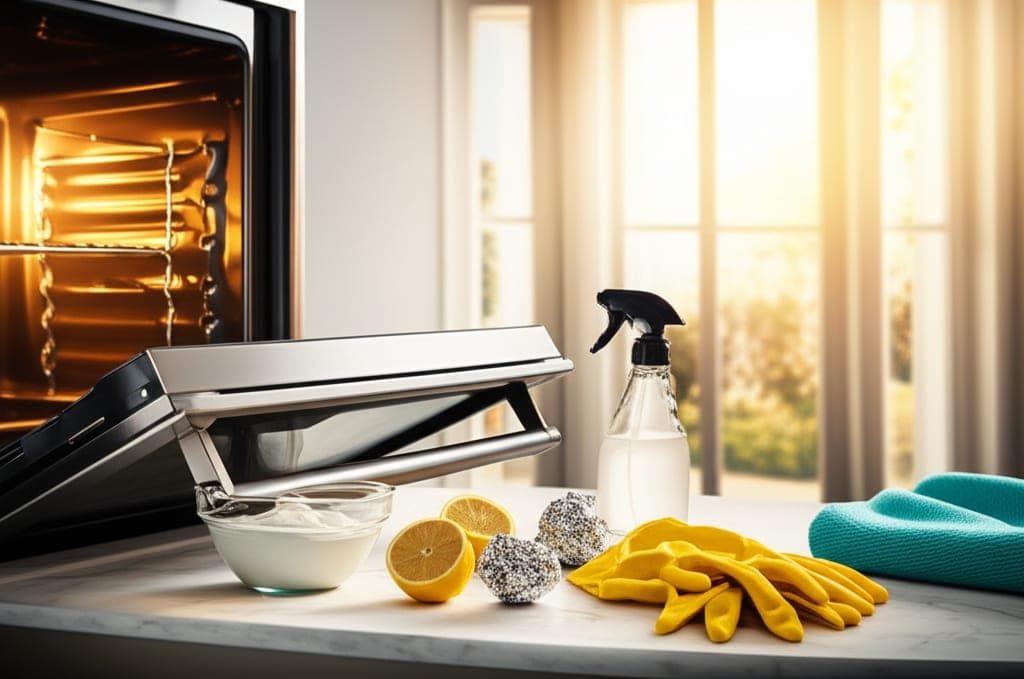
Mix half a cup of baking soda with three tablespoons of water until you get a thick, spreadable paste. Remove the oven racks and set them aside. Spread the paste over every interior surface of the oven bottom, sides, back wall, and ceiling avoiding the heating elements. Pay extra attention to areas with heavy grease buildup or blackened food residue. Close the oven door and leave the paste to work overnight, or for a minimum of 12 hours. The baking soda slowly breaks down carbonized grease and burnt food while you sleep, turning rock-hard residue into a soft, wipe-able layer. In the morning, use a damp microfiber cloth to wipe away the dried paste. You'll see it come off brown and grimy that's the dissolved grease lifting off. For stubborn patches, use a plastic scraper to gently nudge the residue loose. This zero-effort method handles 90 percent of oven cleaning without any scrubbing or harsh fumes.
Spray vinegar to finish the baking soda clean
After wiping away the baking soda paste, fill a spray bottle with undiluted white vinegar and mist every surface still showing white residue. The vinegar reacts with the remaining baking soda to create a fizzing action that lifts the last traces of grease and paste from the oven walls. Let the fizzing work for five minutes, then wipe everything down with a clean damp cloth. Repeat the spray-and-wipe cycle until no white streaks remain. This two-step combination overnight baking soda paste followed by a vinegar spray is the gold standard for chemical-free oven cleaning and outperforms most commercial oven sprays on baked-on grease. The vinegar also deodorizes the interior, eliminating any lingering burnt food smell. Dry the surfaces with a fresh cloth to prevent water spots.
Steam-clean with lemon water for light grease
Fill an oven-safe baking dish with water and squeeze in the juice of two lemons, dropping the rinds into the water. Place the dish on the middle oven rack and heat the oven to 250°F (120°C). Let it steam for 30 minutes the citric acid in the lemon-infused steam loosens light grease and softens baked-on food splatters across the entire oven interior. Turn off the oven and let it cool until warm to the touch, then wipe all surfaces with a damp cloth. The loosened grime comes off with almost no effort. This method is ideal for monthly maintenance cleans between deep sessions, keeping grease from building up into the thick carbonized layer that requires overnight paste treatments. The lemon also leaves a fresh, clean scent that replaces the burnt food smell many ovens develop over time.
Clean oven racks in the bathtub with dish soap
Place oven racks in the bathtub on top of old towels to protect the tub surface. Fill the tub with hot water until the racks are fully submerged. Add half a cup of Dawn dish soap and a cup of baking soda. Let the racks soak for four to six hours, or overnight for heavy buildup. The hot water and dish soap dissolve the grease bonds, while the baking soda provides gentle abrasion when you scrub. After soaking, scrub each rack with a stiff brush or non-scratch scouring pad, focusing on the bars where food drips accumulate and carbonize. Rinse each rack thoroughly and dry before returning them to the oven. This method works dramatically better than spraying racks inside the oven because full submersion reaches every surface including the undersides and connection points where grease hides and hardens over months of cooking.
Use aluminum foil and baking soda to scrub grates
Crumple a sheet of aluminum foil into a ball roughly the size of a tennis ball. Dip it in a bowl of baking soda paste and use it to scrub oven grates, racks, and the bottom of the oven where grease pools. The foil provides abrasion strong enough to remove carbonized food without scratching enamel or stainless steel surfaces. Work in small circular motions and re-dip in baking soda as needed. This hack is especially effective on the oven floor where drips from roasting pans bake into dark, stubborn spots that sponges can't budge. Rinse the surface with a damp cloth afterward to remove baking soda residue. A single sheet of foil can clean an entire oven interior and costs essentially nothing making this one of the cheapest cleaning tools available.
Tackle the oven door glass with a baking soda slurry
Mix baking soda and water into a thin, runny paste more liquid than the overnight version. Spread it across the inside of the oven door glass and let it sit for 30 minutes. The glass panel accumulates a greasy film from cooking vapors that gradually turns opaque, making it impossible to check on food without opening the door. After 30 minutes, wipe with a damp microfiber cloth using straight horizontal strokes. For the brown buildup that collects between double-pane oven door glass, you'll need to unscrew the door panel consult your oven manual for instructions specific to your model. Finish by spraying the cleaned glass with vinegar and wiping dry for a crystal-clear, streak-free window. Being able to see through your oven door again feels like getting a brand new appliance.
Clean the oven door seal and gasket
Dip an old toothbrush in a mix of warm water and dish soap. Gently scrub the rubber gasket that runs around the oven door frame. This seal traps crumbs, grease splatters, and food particles that harden over time and can eventually prevent the door from sealing properly. A compromised seal lets heat escape, forcing the oven to work harder and increasing cooking times and energy bills. Work the bristles into the folds of the gasket where debris hides, then wipe with a damp cloth. Never use abrasive cleaners or scouring pads on the gasket they can tear the rubber and create gaps. Cleaning the gasket quarterly maintains the seal integrity and prevents the burnt smell that comes from food particles trapped in the rubber slowly carbonizing during every use.
Remove burnt sugar and candy spills with hydrogen peroxide
Burnt sugar is one of the hardest oven stains to remove because it melts into a glassy, rock-hard coating that resists baking soda and vinegar. Pour a small amount of hydrogen peroxide (3% solution) directly onto the sugar stain and let it sit for 15 minutes. The peroxide oxidizes and softens the sugar bonds. Use a plastic scraper to lift the edges of the stain it should come up in flakes rather than requiring heavy scrubbing. For large sugar spills from pie overflow or cookie disasters, cover the area with a peroxide-soaked cloth and leave it for 30 minutes. This extended contact time gives the oxidation reaction time to penetrate deeper into the caramelized layer. Wipe clean and follow up with a baking soda paste to remove any remaining discoloration.
Deodorize the oven with vanilla extract
After cleaning, preheat the oven to 300°F (150°C). Place two tablespoons of vanilla extract in a small oven-safe dish and put it on the middle rack. Heat for 20 minutes, then turn off the oven and let it cool with the door closed. The vanilla scent permeates the oven interior and neutralizes any lingering chemical or burnt food odors from the cleaning process. This trick is especially useful after using commercial oven cleaners that leave a strong chemical smell for several cook cycles. It also works before holiday cooking or dinner parties when you want the kitchen to smell inviting instead of like old grease. The vanilla coats the interior surfaces with a pleasant scent that lasts through several cooking sessions.
Prevent future buildup with an oven liner
Place a non-stick oven liner or a sheet of heavy-duty aluminum foil on the lowest rack or the oven floor beneath your cooking rack. This catches drips from casseroles, roasting pans, pies, and anything else that bubbles over during cooking. When the liner gets dirty, simply remove it, wash it in the sink with dish soap, and put it back. This one-dollar prevention measure eliminates 80 percent of the baked-on grease that leads to heavy oven cleaning sessions. Make sure the liner doesn't cover any vents or heating elements check your oven manual for placement guidelines. Replace foil liners monthly and wash reusable silicone liners weekly. Combined with the monthly lemon steam clean, a liner keeps your oven looking nearly new between deep cleans.
Clean the oven knobs and control panel
Pull off removable oven knobs and soak them in a bowl of warm water with a squirt of dish soap for 10 minutes. Grease and food splatters from cooking gradually coat knobs and make them feel sticky and grimy. Scrub with a soft brush to reach the textured grip areas and the underside where grease creeps in. Rinse and dry completely before reattaching. For the control panel, spray a small amount of all-purpose cleaner onto a microfiber cloth never directly onto the panel, as liquid can seep behind buttons and damage electronics. Wipe the panel, then dry-buff for a clean finish. Clean knobs and a spotless control panel make the entire oven look professionally maintained, even if the interior isn't perfectly pristine.
Deep clean the broiler drawer and bottom panel
The broiler drawer at the bottom of the oven is one of the most neglected spots in the kitchen. Pull it out completely and remove any pans or foil. Vacuum out loose crumbs and food debris with a crevice attachment. Spray the interior with a mix of equal parts vinegar and dish soap, let it sit for 10 minutes, then wipe clean with a damp cloth. For the removable bottom panel inside the oven the flat plate that sits above the heating element lift it out according to your manual's instructions. Scrub both sides with baking soda paste and rinse clean. This hidden panel collects grease drips that burn during preheating, creating smoke and unpleasant odors that make you think the oven is broken when it's just dirty. Cleaning it once a quarter eliminates mystery smoke and burning smells.
What cut through serious baked-on grease better than commercial products
The overnight baking soda paste out-performs commercial oven sprays on heavy buildup, and the reason is dwell time rather than strength. The paste needs a full 12 hours to chemically soften carbonized grease, not the 20-minute minimum the label logic of commercial sprays trains you to expect. Rushing it to two or three hours produces mediocre results that look similar to what expensive sprays achieve, which is why many people assume baking soda doesn't work on seriously neglected ovens. The other significant finding was the aluminum foil scrubber for stubborn spots. I'd never expected a crumpled foil ball dipped in baking soda paste to work better than commercial scour pads, but the foil's abrasion level turns out to be ideal for enamel surfaces aggressive enough to remove carbonized residue, gentle enough not to scratch. The broiler drawer was the biggest practical revelation: I had ignored it for two years assuming it never got dirty. Once I pulled it out and looked inside, I understood immediately why my oven had been producing mysterious smoke on preheat for months. That single 10-minute cleaning step eliminated a problem I had attributed to the appliance itself.
Mistakes that make oven cleaning harder than it needs to be
Mistake one: using the self-clean cycle on an oven with heavy buildup. Self-clean heats the interior to 900°F, which in a heavily soiled oven produces enormous smoke, trips detectors, and can damage door gaskets and electronics on older models. Manual cleaning with baking soda paste is slower but produces no smoke and no mechanical risk. Mistake two: not removing the bottom panel before cleaning the oven floor. Most people scrub the visible oven floor while the removable protective panel sits in place, trapping the worst grease underneath it. Lift that panel out, clean both sides, and you eliminate the main source of smoke and burning smell on preheat. Mistake three: using metal scrapers inside the oven interior. Metal scrapes enamel coating with every contact, creating rough patches where future grease bonds more aggressively. Plastic scrapers cost under two dollars and protect the surface. Mistake four: applying baking soda paste around heating elements or on the oven light cover. Moisture on active elements can damage them; paste on the glass light cover burns off during the next preheat. Cover elements with paper and avoid the light fitting before applying paste. Mistake five: replacing oven racks before the interior is fully dry. Metal racks in a slightly damp oven interior oxidize enamel slowly over repeated uses. Air-dry the interior with the door propped open for at least 20 minutes after wiping before returning racks.
Pro Tips
- Clean your oven while it's slightly warm not hot so grease is softer and easier to wipe away.
- Use a plastic scraper instead of metal to avoid scratching enamel coatings on oven interiors.
- Place a baking sheet on the rack below whatever you're cooking to catch drips before they hit the oven floor.
- Borax is the unsung hero behind a lot of these grease-cutting pastes. If it works this well on baked-on oven grime, it is worth learning the rest of its uses, my borax cleaning hacks that actually work cover laundry, drains, and mold.
- The cooktop needs a gentler hand than the oven cavity. The scrubbers that are fine inside the oven will scratch ceramic glass, so follow how to clean a glass stovetop without scratching it using the razor-and-cream-cleanser method.
Frequently Asked Questions
What is the best way to clean a really dirty oven?
The most effective method is an overnight baking soda paste. Mix half a cup of baking soda with water to form a thick paste, spread it over all interior surfaces, and leave it for 12 hours. Wipe clean the next morning and spray any remaining residue with vinegar. The fizzing reaction lifts the last traces of grease. This method handles even heavily neglected ovens without harsh chemicals.
How often should you clean your oven?
Do a light maintenance clean monthly using the lemon steam method heat water with lemon juice at 250°F for 30 minutes, then wipe. Perform a deep clean with baking soda paste every three to six months, or whenever you notice visible grease buildup or smoke during preheating.
Can you clean an oven with just baking soda and vinegar?
Yes, baking soda and vinegar together are one of the most effective natural oven cleaning combinations. Apply baking soda paste overnight to break down grease, then spray vinegar to fizz away residue. This two-step process removes baked-on food, carbonized grease, and stains without toxic fumes or harsh chemicals.
How do you clean between the glass on an oven door?
Most oven doors can be partially disassembled by removing screws along the top or bottom edge. Consult your oven manual for model-specific instructions. Once open, clean the inner glass panels with a baking soda slurry and a microfiber cloth. Some people also use a thin cleaning wand wrapped in a cloth, inserted through the vents at the bottom of the door, as a no-disassembly option.
Why does my oven smoke when preheating?
Smoke during preheating is almost always caused by grease or food residue on the oven floor or bottom panel that burns when the element heats up. Clean the bottom panel and oven floor with baking soda paste. Also check the broiler drawer accumulated crumbs and grease drips there can produce smoke. Using an oven liner prevents future buildup.
How this guide was made
This Deep Clean guide was researched, written, edited, and published by Fredler Pierre-Louis. The 14 steps below are built around Baking soda, White vinegar and Dawn dish soap, and the quantities and dwell times come from published cleaning-chemistry and manufacturer guidance for those materials, not from a controlled trial we ran ourselves. Where a popular version of this hack does not work, or is risky on a particular surface, this 14 min guide says so.
- Checked against manufacturer and materials guidance for the surfaces named.
- Reviewed by a person for chemical safety and surface compatibility before publication.
- Written to explain why a method works, not just to list steps.
- Corrected whenever a reader reports an error or an edge case we missed.
Read our full editorial policy or learn more about the team behind TryCleaningHacks.
Related Cleaning Guides
Safety Notes
- Never use the self-clean cycle on ovens older than ten years or with worn door gaskets. The extreme heat (900°F+) can crack oven components, blow fuses, or damage the door lock mechanism. Manual cleaning is safer for older appliances.
- Always wear rubber gloves when cleaning with baking soda paste, vinegar, or hydrogen peroxide. Prolonged skin contact can cause dryness and irritation, especially on cuts or sensitive skin.
- Ensure the oven is completely cool before cleaning around heating elements. Electric elements remain hot long after being turned off, and contact with wet cloths on hot elements can cause burns or electrical shock.
- Never spray liquid cleaners directly onto oven electronics, light bulbs, or heating elements. Apply cleaning solutions to a cloth first, then wipe. Liquid inside electronic components can cause short circuits or permanent damage.
You might also like
7 Deep Cleaning Tricks That Save Hours Every Week
Most of the time spent cleaning a bathroom is spent waiting or backtracking, not scrubbing. Spraying one surface, waiting for it, wiping it, then starting the next one means you pay every dwell time separately. Batching those dwell times so every cleaner works at once is the single change that cuts the job roughly in half. None of this involves a gadget or a miracle spray, just the order you work in and where you stop wasting motion.
How to Deep Clean a Shower (10 Proven Methods)
I deep cleaned the same shower twice in one week once with my old routine and once with these ten methods applied in the right sequence. The difference wasn't even close. Here's what changed and the daily habit that eliminated most of my scrubbing for good.
30 Cleaning Myths You Need to Stop Believing
I believed most of these myths for years, and two of them left permanent marks on surfaces in my own house. This is the honest version of what I got wrong, why the popular advice fails, and the two safety myths that actually send people to the emergency room. I have kept the failures in here on purpose, because the mistakes taught me more than the wins did, and a myth is only dangerous while you still trust it.