

How to Deep Clean a Shower (10 Proven Methods)
I deep cleaned the same shower twice in one week once with my old routine and once with these ten methods applied in the right sequence. The difference wasn't even close. Here's what changed and the daily habit that eliminated most of my scrubbing for good.
Jump to a section
What You'll Need
Step-by-Step Instructions
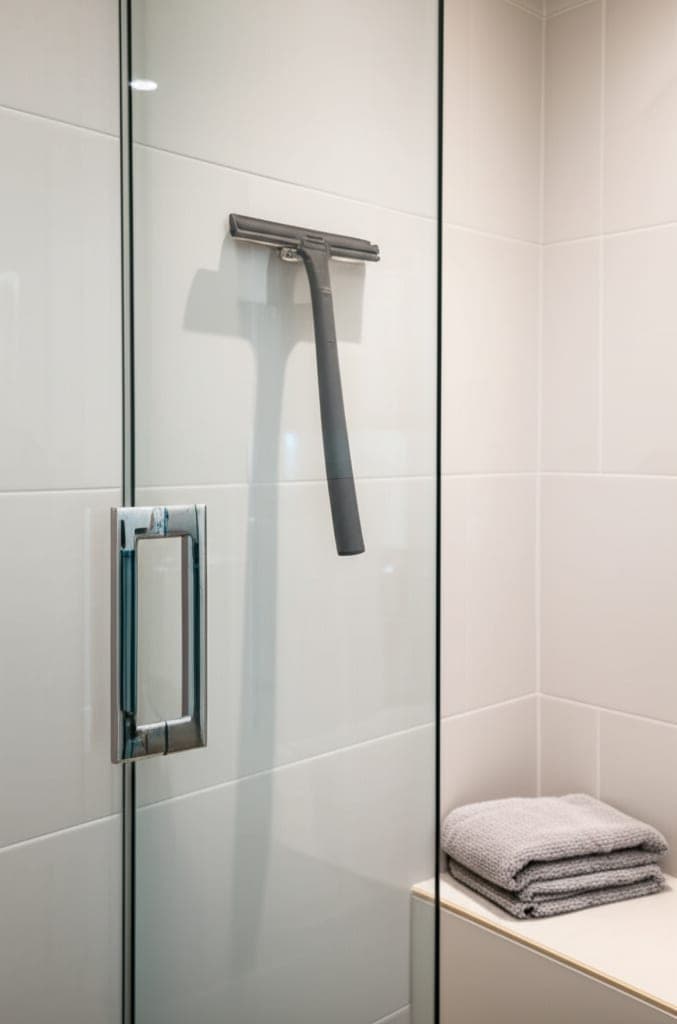
Squeegee glass doors after every shower
The easiest way to prevent soap scum and hard-water spots is to squeegee the glass door and tile walls right after you turn off the water. This takes about 30 seconds and removes roughly 90 percent of the moisture that causes buildup. Start from the top and pull downward in overlapping strokes. A basic squeegee costs under ten dollars and saves you from scrubbing hardened mineral deposits every weekend. Hang it inside the shower so it is always within reach. If other household members are resistant to squeegeeing, put the squeegee directly in the path of exiting the shower hang it at eye level on the inside of the shower door or on the wall immediately opposite the exit. Physical placement makes using it the path of least resistance. After two weeks of habitually squeegeeing, the reduction in soap scum on glass doors versus not squeegeeing is dramatic enough that it becomes self-reinforcing. The visual evidence glass that stays clear between deep cleans is a more compelling motivator than any argument for why squeegeeing matters. Once you see it work, the habit maintains itself.
Use a daily shower spray to prevent buildup
After squeegeeing, mist a daily shower spray over the walls and door. These light-duty formulas stop mineral and soap residue from hardening, so you never have to scrub it off later. You do not need to rinse or wipe just spray and walk away. To make your own, mix equal parts white vinegar and water with a few drops of dish soap in a spray bottle. Whether you buy one or make it yourself, daily consistency is what makes this method work.
Deep clean grout lines with a baking soda paste
Mix baking soda and water into a thick paste. Apply it to grout lines with an old toothbrush and scrub in short strokes. Let the paste sit for 10 minutes, then rinse with warm water. For stubborn mildew stains, replace the water with hydrogen peroxide. Start with floor grout since it collects the most discoloration and soap residue. If your grout is sealed, this method will not strip the sealant. Unsealed grout should be sealed after deep cleaning to protect it going forward.
Remove soap scum with heated vinegar and dish soap
Heat one cup of white vinegar in the microwave for 30 seconds and mix it with one cup of Dawn dish soap in a spray bottle. Spray the mixture directly onto soap scum, wait 15 minutes, then wipe clean with a sponge. The warm vinegar breaks down mineral deposits that regular bathroom cleaners leave behind. The dish soap helps the solution cling to vertical surfaces instead of running off, which gives the acid more contact time to dissolve the buildup.
Descale the showerhead with a vinegar soak
Fill a plastic bag with white vinegar and tie it around the showerhead so the nozzle is fully submerged. Leave it overnight. In the morning, remove the bag, scrub the nozzle holes with an old toothbrush, and run hot water for one minute. You should notice stronger and more even water pressure right away. If individual holes are still clogged, push a toothpick into each one to clear any remaining mineral plugs. Repeat this monthly in hard-water areas. Document the spray pattern before and after if you want a concrete measure of the improvement: take a 10-second photo of the shower wall at a set distance before the soak and compare it to the same photo after. The difference in spray coverage and evenness is visible and is one of the most persuasive demonstrations of how much mineral buildup restricts even a six-month-old showerhead.
Scrub out shower door tracks
Pour white vinegar into the door tracks and let it fizz for 10 minutes. Scrub the grooves with a small brush or old toothbrush to remove trapped hair, mold, and soap residue. Rinse by pouring clean water along the track and dry with a cloth. Door tracks are one of the most overlooked spots in a bathroom. Keeping them clean prevents the door from sticking and stops water from leaking onto the bathroom floor. For very dirty tracks, use a craft stick or chopstick wrapped in a paper towel to reach the narrow inside of the track channel after your initial vinegar soak. The rigid stick provides pressure in the confined space that a toothbrush can't achieve, and the wrapped paper towel collects the dissolved residue instead of spreading it further along the track.
Machine wash the shower curtain and liner
Place fabric shower curtains or plastic liners in the washing machine on a gentle cycle with two towels, warm water, and half a cup of baking soda. Hang to dry immediately after washing. This removes mildew, soap residue, and the slimy film that forms on liner bottoms no hand scrubbing needed. The towels act as gentle agitators during the wash cycle. Doing this once a month extends the life of your curtain significantly. For plastic liners with bottom mildew that has progressed to visible black spots, add half a cup of white vinegar to the wash cycle along with the baking soda. The vinegar doesn't interact negatively with the baking soda in a full wash cycle because the water dilution is too high for a strong reaction instead both work independently at their separate jobs, baking soda deodorizing and vinegar killing mildew. Check the liner bottom after washing and before hanging: if spots remain, a second wash cycle is faster than buying a replacement liner.
Clean the shower floor and clear the drain
Sprinkle baking soda across the shower floor and scrub with a stiff brush in circular motions. Remove the drain cover and pull out any hair or buildup using a bent wire or drain snake. Rinse everything thoroughly with hot water. If water pools in your shower instead of draining quickly, hair buildup is almost always the cause. A monthly drain cleanout prevents clogs from reaching the point where you need professional plumbing help. After clearing the drain, flush it with half a cup of baking soda followed by half a cup of white vinegar. The fizzing reaction clears any residual soap and hair debris further down the drain pipe that the snake didn't reach. Let it work for five minutes, then flush with hot water. This two-minute maintenance step after every drain cleaning prevents the slow drain from ever becoming a full clog.
Polish fixtures and handles
Spray a bathroom cleaner on chrome or brushed-nickel fixtures and wipe with a microfiber cloth. For hard-water spots, wrap fixtures in a vinegar-soaked cloth for five minutes, then buff dry. Include towel bars, the shower door handle, and any hooks in this step. Clean fixtures make a bathroom look noticeably more polished, and since these are high-touch surfaces, wiping them down also reduces the spread of germs.
Ventilate the bathroom properly
Run the bathroom exhaust fan for at least 20 minutes after every shower and after cleaning. If you do not have a fan, open a window. Moisture is the root cause of mildew, soap scum buildup, and musty odors, so good airflow is the most effective and cheapest prevention method available. Make sure your exhaust fan vents to the outside and not into the attic. Clean the fan cover every few months since dust buildup reduces its airflow dramatically.
What genuinely transformed my shower cleaning routine
The squeegee habit was the biggest single change. I had resisted it for years because it felt like extra work. After two weeks of squeegeeing glass doors and tile walls for 30 seconds after every shower, I no longer have soap scum to scrub on cleaning day. The prevention eliminated the problem almost entirely. The heated vinegar and Dawn mixture was the second revelation I had tried cold vinegar on soap scum with mixed results, but the warm version chemically outperforms commercial bathroom sprays on glass at a fraction of the cost. The dwell time matters: 15 minutes minimum, not a quick spray-and-wipe. Showerhead pressure improvement after an overnight vinegar soak was immediate and noticeable the next morning. I hadn't realized how much pressure I'd been losing to mineral buildup until I restored it. If you do nothing else, add the squeegee. It takes 30 seconds and eliminates the most tedious part of every bathroom clean.
Mistakes that keep soap scum coming back
Mistake one: wiping the shower down after cleaning but not squeegeeing after every use. All the cleaning in the world gets undone within the next few showers if hard water is simply left to dry on the glass. The squeegee after each shower is the prevention that makes the cleaning matter. Mistake two: cleaning only the visible surfaces of the showerhead. Most of the mineral buildup causing pressure loss is inside the nozzle holes. A spray-down doesn't reach it the overnight submerged bag soak does. Mistake three: using the same microfiber cloth for glass and tile. Tile traps grit that scratches glass. Keep separate cloths. Mistake four: rinsing the shower after scrubbing but not drying the grout lines. Grout stays damp for longer than tile, and consistent moisture is how mold establishes itself in grout before you can see it. Wipe grout lines dry after cleaning, especially along the floor.
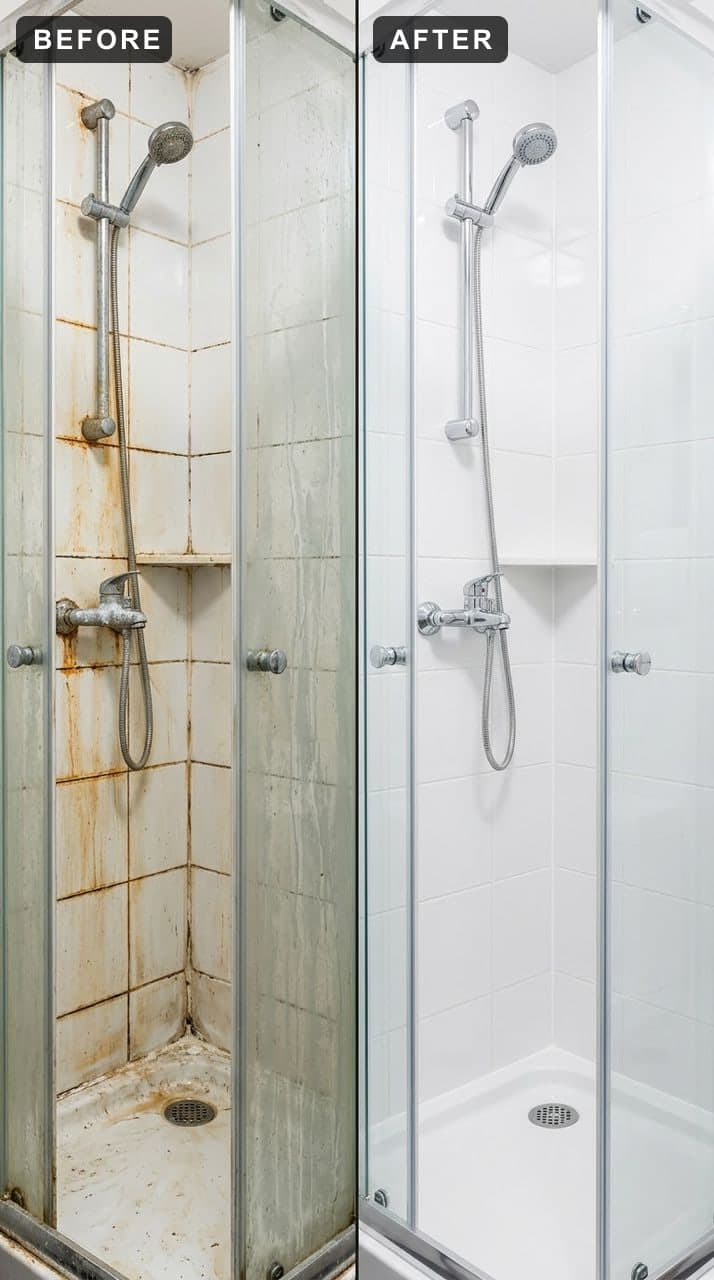
What the difference looks like
Pro Tips
- Squeegee after every shower this single habit prevents most soap scum from forming.
- Run the exhaust fan for 20 minutes after each shower to keep humidity low.
- Alternate between grout cleaning and glass cleaning each week so neither falls behind.
Frequently Asked Questions
How often should I deep clean my shower?
Deep clean your shower once a week. Between deep cleans, squeegee the glass and spray a daily shower cleaner after each use. This routine prevents soap scum and mineral deposits from hardening, which makes each weekly clean faster.
What removes soap scum the fastest?
A mixture of heated white vinegar and Dawn dish soap is one of the most effective DIY methods. Spray it on, wait 15 minutes, and wipe clean. The warm vinegar dissolves mineral deposits while the soap helps the solution stick to vertical surfaces.
How do I prevent mold from growing in my shower?
Ventilation is the most important factor. Run your exhaust fan for at least 20 minutes after every shower, squeegee walls and glass doors daily, and fix any spots where water pools instead of draining.
Can I put a shower curtain in the washing machine?
Yes. Wash fabric curtains and plastic liners on a gentle cycle with two towels, warm water, and half a cup of baking soda. Hang to dry immediately. The towels act as agitators to help scrub the curtain during the cycle.
How do I unclog a showerhead?
Fill a plastic bag with white vinegar and tie it around the showerhead so the nozzle is submerged. Leave it overnight, then scrub the holes with an old toothbrush. For stubborn clogs, push a toothpick into individual nozzle holes to clear remaining mineral deposits.
How this guide was made
This Deep Clean guide was researched, written, edited, and published by Fredler Pierre-Louis. The 12 steps below are built around White vinegar, Baking soda and Dawn dish soap, and the quantities and dwell times come from published cleaning-chemistry and manufacturer guidance for those materials, not from a controlled trial we ran ourselves. Where a popular version of this hack does not work, or is risky on a particular surface, this 11 min guide says so.
- Checked against manufacturer and materials guidance for the surfaces named.
- Reviewed by a person for chemical safety and surface compatibility before publication.
- Written to explain why a method works, not just to list steps.
- Corrected whenever a reader reports an error or an edge case we missed.
Read our full editorial policy or learn more about the team behind TryCleaningHacks.
Related Cleaning Guides
Safety Notes
- Wet shower floors are extremely slippery. Wear non-slip footwear or clean from outside the stall to avoid falls.
- Never mix bleach-based cleaners with vinegar or other acidic products. This combination releases toxic chlorine gas.
- Keep the bathroom well ventilated when using mold removers or concentrated cleaning sprays. Run the exhaust fan and open a window.
You might also like

7 Deep Cleaning Tricks That Save Hours Every Week
Most of the time spent cleaning a bathroom is spent waiting or backtracking, not scrubbing. Spraying one surface, waiting for it, wiping it, then starting the next one means you pay every dwell time separately. Batching those dwell times so every cleaner works at once is the single change that cuts the job roughly in half. None of this involves a gadget or a miracle spray, just the order you work in and where you stop wasting motion.
30 Cleaning Myths You Need to Stop Believing
I believed most of these myths for years, and two of them left permanent marks on surfaces in my own house. This is the honest version of what I got wrong, why the popular advice fails, and the two safety myths that actually send people to the emergency room. I have kept the failures in here on purpose, because the mistakes taught me more than the wins did, and a myth is only dangerous while you still trust it.
How to Clean Your Laundry Room in Under 30 Minutes
The machines that clean everything else in the house are usually the last things in it to get cleaned, and a washer is the one appliance that can develop a smell while doing its job perfectly. Most laundry room problems come down to three things: residue building up where water sits, lint collecting where air is supposed to move, and a filter almost nobody knows exists. Here is a 30 minute routine that covers the weekly reality, the two jobs that need doing a few times a year instead, and the reason a front loader starts smelling in the first place.