

How to Clean Grout Without Scrubbing (7 Easy Methods)
I stopped scrubbing grout and started using dwell time instead. The baking soda and peroxide paste removed more buildup with zero brushing than 20 minutes of manual scrubbing had. Here's the method that actually works and the single step that makes the results permanent.
Jump to a section
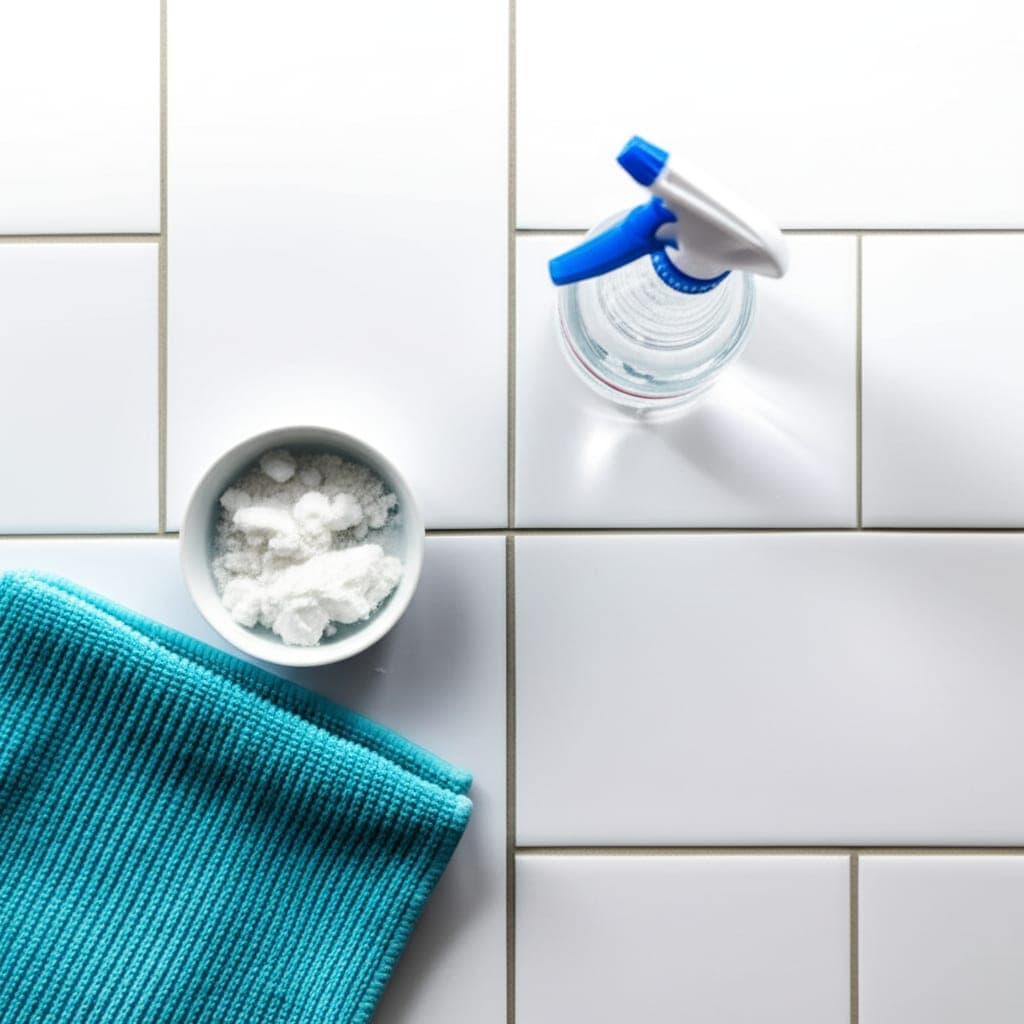
What You'll Need
Step-by-Step Instructions
Apply a baking soda and peroxide paste
Mix half a cup of baking soda with a quarter cup of hydrogen peroxide to form a thick paste. Spread it directly onto grout lines using your fingers or an old toothbrush. Let the paste sit for at least 30 minutes the peroxide bubbles into the porous grout surface and lifts out embedded dirt, mildew, and stains without aggressive scrubbing. After soaking, wipe the paste away with a damp cloth and rinse with warm water. Most grout lines will look noticeably whiter after a single application. For severely stained grout, leave the paste on for up to two hours before wiping clean. This method works best on white or light-colored grout. Always test a small hidden section first because hydrogen peroxide can slightly lighten already-colored grout if left on for extended periods. The paste is most effective at room temperature so don't apply it to tiles that are still warm from a recent shower, as heat can accelerate the peroxide reaction and reduce efficient contact time with the stained areas.
Soak with oxygen bleach overnight
Dissolve two tablespoons of oxygen bleach powder (like OxiClean) in one gallon of warm water. Pour the solution over tile floors so the grout lines are fully saturated, or apply with a sponge to walls and backsplashes. Let it sit for at least four hours overnight is ideal. Oxygen bleach releases active oxygen that penetrates deep into grout pores and lifts stains from the inside out. No scrubbing required. Mop up the solution with clean water in the morning and you'll see dramatically whiter grout. This method is color-safe and won't damage colored grout the way chlorine bleach can. For vertical surfaces like shower walls, apply the solution with a sponge and immediately press plastic wrap over the treated area to keep the solution in contact with the grout instead of running down the tile. The plastic wrap cling keeps the active oxygen working on vertical grout for the full dwell period. Remove the wrap in the morning, spray with water, and wipe clean with a microfiber cloth.
Use a vinegar steam treatment
Heat white vinegar in the microwave until it's hot but not boiling. Pour it into a spray bottle and generously spray grout lines. Immediately lay hot damp towels over the sprayed area to trap the steam. The combination of heat and acetic acid softens and dissolves soap scum, mildew, and mineral deposits embedded in the grout. Leave the towels in place for 20 minutes, then wipe clean. The steam does the penetrating work that normally requires hard scrubbing. This method works especially well on shower floor grout where soap residue builds up daily. Do not use this method on natural stone tiles like marble or travertine the acidity of vinegar etches polished stone surfaces and leaves permanent dull patches. For ceramic and porcelain tile grout, this is completely safe and highly effective. The towels should be as hot as you can make them; microwave damp towels for 90 seconds right before laying them down so they contribute their own heat that helps drive the vinegar deeper into porous grout lines.
Try a dish soap and vinegar spray
Mix one cup of warm white vinegar with one tablespoon of dish soap in a spray bottle. Shake gently to combine without creating too many bubbles. Spray directly onto grout lines and let it sit for 15 minutes. The vinegar dissolves mineral buildup while the dish soap cuts through grease and body oils that darken grout over time. Wipe with a damp cloth most of the grime lifts off with minimal effort. This everyday solution is gentle enough for weekly maintenance and keeps grout looking clean between deeper treatments. Use dawn dish soap specifically rather than a scented or heavily formulated variety the straightforward degreasing agents in plain dish soap work more effectively with vinegar than specialized formula dish soaps that contain moisturizers or enzymes that can leave their own residue on grout. Keep a small spray bottle of this mixture in the shower caddy and do a quick spray-and-wipe of the most heavily used grout lines every Sunday. The weekly habit prevents any single application from needing to do serious stain-removal work.
Apply a baking soda and vinegar foam
Sprinkle dry baking soda along grout lines, then spray white vinegar over the powder. The vigorous fizzing reaction works its way into the porous grout surface, loosening dirt and stains mechanically. Let the foam work for 10 minutes without touching it. Wipe away the residue with a damp microfiber cloth and rinse with warm water. The fizzing action provides the agitation that you'd normally need to create with a brush, making this one of the easiest zero-scrub methods. Repeat on stubborn sections for cumulative improvement.
Use a steam cleaner for chemical-free results
If you own or can rent a handheld steam cleaner, direct the nozzle along grout lines at close range. The high-temperature steam typically over 200°F blasts away dirt, mold, and bacteria without any chemicals or scrubbing. Move slowly along each grout line to give the steam time to penetrate. Wipe loosened debris with a microfiber cloth as you go. Steam cleaning is the most effective no-scrub method for grout and is especially valuable for households avoiding chemical cleaners due to allergies, children, or pets. One pass usually restores grout to near-original color. Attach a grout nozzle or a narrow brush attachment if your steam cleaner included one this focuses the steam stream into the narrow grout channel instead of dispersing it broadly across the tile, concentrating the heat and pressure exactly where the staining lives. For grout in high-moisture areas like shower floors where mold is present, make two slow passes over the same lines to ensure the heat penetrates deep enough to kill mold spores throughout the full depth of the grout rather than just at the surface.
Seal grout to prevent future staining
After deep cleaning, apply a penetrating grout sealer to protect your work. Pour a small amount of sealer onto the grout lines or use the applicator bottle tip to trace each line. Let it absorb for 10 minutes, then wipe away the excess from tile surfaces with a clean cloth. Sealed grout repels water, oils, and stains, making future cleaning dramatically easier often just a quick wipe is enough. Reapply sealer every six to twelve months depending on traffic. This single step is the most important thing you can do to keep grout looking clean long-term with minimal ongoing effort. To test whether your grout still needs resealing, drop a few beads of water on the grout lines. If the water beads up and sits on the surface, the sealer is still active. If the water is absorbed and the grout darkens immediately, the sealer has worn off and the grout is now absorbing stains with every use. High-traffic areas like kitchen floors and shower floors need resealing more frequently than bathroom walls because mechanical wear from foot traffic and daily scrubbing degrades the sealer faster than the simple water exposure that walls experience.
What produced the most visible grout improvement with the least effort
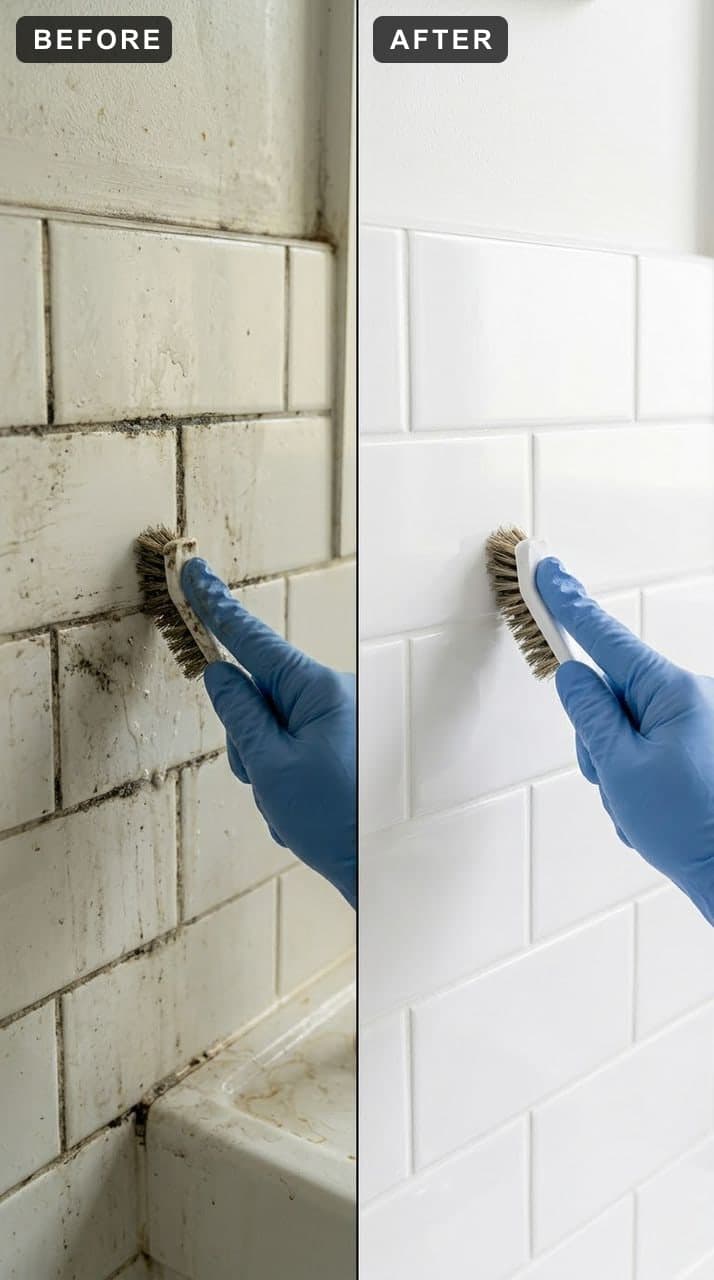
The baking soda and hydrogen peroxide paste produced the most dramatic before-and-after results. I applied it before leaving for work and wiped it eight hours later far beyond the suggested 30 minutes. The grout had gone from dark gray-brown to off-white with zero scrubbing. The oxidizing action of peroxide working over extended dwell time on a porous surface is genuinely impressive. The oxygen bleach overnight soak was the second strongest method, particularly on kitchen tile floors where cooking grease had darkened grout to near black: morning clean-up required only a quick mop pass, no brushing at all. The steam cleaner was the fastest method per linear foot but produced results comparable only to the paste for moderate discoloration. For anyone choosing one method to start with: baking soda and peroxide paste applied and left for four to eight hours is the best balance of effectiveness, cost, and effort.
Mistakes that reduce grout cleaning results or cause damage
Mistake one: wiping the paste off too soon. The 30-minute timing in most guides is the minimum, not the optimum. Maximum results come from four to eight hours of dwell time. Apply before leaving the house and wipe on return for results that are significantly better than the rushed version. Mistake two: using chlorine bleach on colored grout. Chlorine strips pigment from colored grout, creating uneven fading or white patches. Oxygen bleach is color-safe and produces equally good results. Mistake three: mixing hydrogen peroxide and vinegar in the same container. This creates peracetic acid, a more corrosive compound than either ingredient alone. Use them separately on different applications and never combine them in one bottle. Mistake four: skipping the sealing step after cleaning. Grout is highly porous and re-stains within weeks of cleaning if left unsealed. Grout sealer takes 15 minutes per bathroom and the difference in re-staining rate between sealed and unsealed grout is visually dramatic within the first month.
What the difference looks like
Pro Tips
- Always test any cleaning method on a small hidden section of grout first to check for discoloration.
- Oxygen bleach is safer for colored grout than chlorine bleach, which can fade or strip grout color.
- Seal grout after every deep clean to protect your results and reduce future maintenance.
Frequently Asked Questions
Can you really clean grout without scrubbing?
Yes. Methods like oxygen bleach soaks, baking soda and peroxide pastes, and steam cleaning do the deep-penetrating work that scrubbing normally handles. The key is giving the cleaning agent enough contact time to dissolve stains from within the porous grout surface rather than trying to abrade them off the top.
What is the best homemade grout cleaner?
A paste of baking soda and hydrogen peroxide is widely considered the best homemade grout cleaner. Apply it to grout lines, let it sit for 30 minutes to two hours, and wipe clean. The peroxide whitens and disinfects while the baking soda provides gentle lifting action without scratching.
How often should you clean grout?
Wipe grout lines with a mild cleaner weekly to prevent buildup. Do a deeper treatment with oxygen bleach or a baking soda paste once a month. If your grout is sealed, you can extend the deep-clean interval to every two to three months since sealed grout resists staining much more effectively.
How this guide was made
This Deep Clean guide was researched, written, edited, and published by Fredler Pierre-Louis. The 9 steps below are built around Baking soda, Hydrogen peroxide and White vinegar, and the quantities and dwell times come from published cleaning-chemistry and manufacturer guidance for those materials, not from a controlled trial we ran ourselves. Where a popular version of this hack does not work, or is risky on a particular surface, this 11 min guide says so.
- Checked against manufacturer and materials guidance for the surfaces named.
- Reviewed by a person for chemical safety and surface compatibility before publication.
- Written to explain why a method works, not just to list steps.
- Corrected whenever a reader reports an error or an edge case we missed.
Read our full editorial policy or learn more about the team behind TryCleaningHacks.
Related Cleaning Guides
Safety Notes
- Never mix hydrogen peroxide with vinegar combined they form peracetic acid, which can irritate skin, eyes, and lungs. Use them separately and rinse between applications.
- Oxygen bleach powder can irritate skin and eyes. Wear rubber gloves and avoid splashing. Keep the area ventilated while the solution is soaking.
- Steam cleaners produce extremely hot vapor. Keep hands and skin away from the nozzle and never point it at people, pets, or delicate surfaces like unsealed wood.
You might also like
7 Deep Cleaning Tricks That Save Hours Every Week
Most of the time spent cleaning a bathroom is spent waiting or backtracking, not scrubbing. Spraying one surface, waiting for it, wiping it, then starting the next one means you pay every dwell time separately. Batching those dwell times so every cleaner works at once is the single change that cuts the job roughly in half. None of this involves a gadget or a miracle spray, just the order you work in and where you stop wasting motion.
How to Deep Clean a Shower (10 Proven Methods)
I deep cleaned the same shower twice in one week once with my old routine and once with these ten methods applied in the right sequence. The difference wasn't even close. Here's what changed and the daily habit that eliminated most of my scrubbing for good.
30 Cleaning Myths You Need to Stop Believing
I believed most of these myths for years, and two of them left permanent marks on surfaces in my own house. This is the honest version of what I got wrong, why the popular advice fails, and the two safety myths that actually send people to the emergency room. I have kept the failures in here on purpose, because the mistakes taught me more than the wins did, and a myth is only dangerous while you still trust it.