

How to Clean an Oven Without Harsh Chemicals (8 Natural Methods)
I deep cleaned a severely neglected oven without commercial oven cleaner and documented every method step by step. Most worked. Here's the honest ranking of which natural approaches handle heavy buildup versus light maintenance and the daily habit that eliminates the need for any of it.
Jump to a section
What You'll Need
Step-by-Step Instructions
Make an overnight baking soda paste
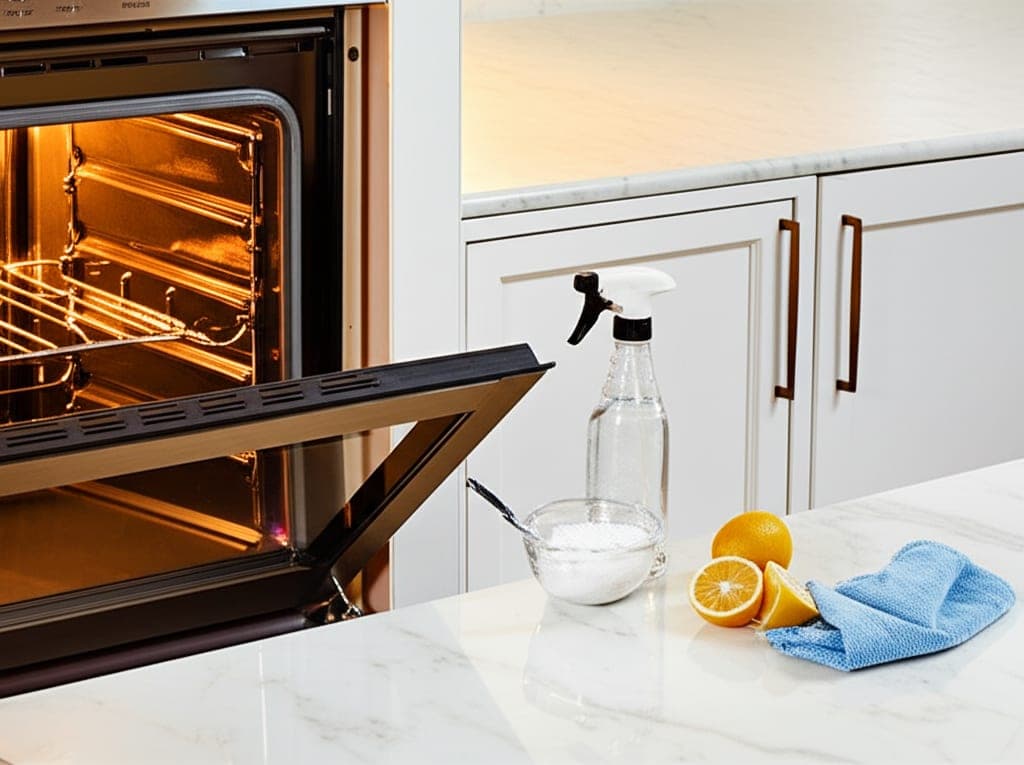
Mix half a cup of baking soda with enough water to form a spreadable paste about three tablespoons. Remove the oven racks and set them aside. Spread the paste over the entire interior of the oven, coating the bottom, sides, back wall, and door glass. Avoid the heating elements. The paste will turn brown as it reacts with grease and baked-on food. Close the oven door and let the paste work overnight at least 12 hours. The baking soda slowly dissolves carbonized food and grease without producing any fumes. This is the foundation of natural oven cleaning and handles even heavily neglected ovens. Apply an extra-thick layer to the oven floor where cooking drips accumulate most and have the longest baking-on time. The floor of the oven is always the most difficult area and benefits from a double coat of paste apply one layer, let it begin to dry for 10 minutes, then apply a second layer on top. The doubled thickness means the baking soda reaches deeper into carbonized residue rather than just sitting on the surface crust.
Spray vinegar over the baking soda
After the overnight soak, fill a spray bottle with undiluted white vinegar and spray it over the dried baking soda paste inside the oven. The vinegar reacts with the baking soda, creating a fizzing action that loosens the remaining residue. Let the fizzing work for 15 minutes. The combination breaks the bond between baked-on grime and the oven surface, making it easy to wipe away. Spray additional vinegar on any stubborn spots that didn't fully dissolve overnight. This two-step method paste overnight, vinegar in the morning is the most effective chemical-free oven cleaning technique available.
Wipe the oven clean
Use a damp microfiber cloth to wipe out all the baking soda paste and dissolved grime. Rinse and wring your cloth frequently you'll go through several rinses as the brown residue comes off. For stubborn spots, spray more vinegar directly on the area and let it fizz for another five minutes before wiping. Use a plastic scraper or old credit card to gently lift any remaining baked-on patches without scratching the oven surface. Continue wiping until no white baking soda residue remains and the oven interior looks clean. A final wipe with a cloth dampened with plain water removes any last traces.
Clean oven racks in the bathtub
Place oven racks in the bathtub on top of old towels to protect the tub surface. Sprinkle the racks generously with baking soda and spray with vinegar. Let them soak in hot water for at least two hours overnight for heavily soiled racks. The combination loosens baked-on grease and carbonized food drips. After soaking, scrub with a non-scratch sponge or stiff brush. Rinse thoroughly and dry before reinserting them into the oven. This bathtub method gives you the space and soaking depth that the kitchen sink can't provide, and it avoids using any chemical oven rack cleaners. Add two tablespoons of dish soap to the hot water soak in addition to the baking soda and vinegar. The dish soap's surfactants help break down the fatty acids in baked-on grease while the baking soda handles the carbonized crust. After your soak and scrub, hold each rack up to a window backlit visibility reveals any remaining buildup in the corners and wire intersections that you'd otherwise reinstall without noticing.
Steam-clean with lemon water
Fill an oven-safe baking dish with water and squeeze the juice of two lemons into it. Drop the lemon halves into the water. Place the dish on the middle rack and heat the oven to 250°F for 30 minutes. The steam softens baked-on food and grease while the citric acid helps break down residue. Turn off the oven and let it cool enough to touch. Wipe the interior with a damp cloth most grime will come off with minimal effort. This method is ideal for light to moderate buildup and leaves a fresh citrus scent. It's also perfect for monthly maintenance between deeper cleans. For maximum steam penetration, add a splash of white vinegar to the water along with the lemon juice. The combination of lemon's citric acid and vinegar's acetic acid creates a dual-acid steam that breaks down both calcium deposits and greasy residue more thoroughly than lemon alone. The steam also rises into the oven cavity and condenses on the ceiling and sides areas that rarely get paste-treated but gradually collect splatter from roasting.
Tackle the oven door glass
Make a paste of baking soda and water and spread it across the inside of the oven door glass. Let it sit for 30 minutes. Spray with vinegar, let it fizz, then wipe clean with a microfiber cloth. For the space between the double glass panels where drips somehow always find their way remove the bottom drawer and look for an access gap, or remove the door and carefully disassemble it according to your oven's manual. Clean both panels with glass cleaner and reassemble. A sparkling oven door makes the biggest visual difference because it's what you see every time you walk into the kitchen.
Clean the oven exterior and knobs
Spray a mixture of equal parts vinegar and water onto the oven's exterior surfaces the control panel area, handle, and side panels. Wipe with a microfiber cloth following the direction of the stainless steel grain if applicable. Remove knobs by pulling them straight off and soak them in warm soapy water for 10 minutes to dissolve grease buildup in their grooves. Scrub with an old toothbrush, rinse, dry, and push them back on. The area behind and around the knobs collects cooking splatter that's easy to miss during routine wipe-downs. Clean these spots to make the oven look fully restored. Look specifically at the recessed area beneath each knob stem where hardened splatter accumulates in the gap between the knob shaft and the control panel face this zone is invisible until you remove the knobs and is the most commonly missed spot during oven exterior cleaning. A cotton swab dampened with the vinegar solution reaches into this gap easily. For knobs that are dishwasher-safe (check your manual), running them through a full cycle removes months of baked grease that hand-scrubbing with a toothbrush misses in the deeper textured grooves.
Maintain with a monthly quick clean
Once your oven is deep cleaned, prevent heavy buildup from returning with a simple monthly routine. After the oven cools from regular cooking, spray the interior with vinegar and wipe with a damp cloth. This takes under five minutes and removes fresh splatters before they bake on and harden. Place a sheet of aluminum foil or an oven liner on the bottom rack to catch drips during cooking. Address spills immediately by sprinkling salt on them while the oven is still warm the salt absorbs the spill and makes it easy to sweep out once the oven cools. These small habits eliminate the need for intense deep cleans.
Which natural oven cleaning methods handled heavy buildup vs light maintenance
The overnight baking soda paste is the only method that handles serious neglect without commercial chemicals. On an oven that has not been cleaned in over two years, the paste will soften the large majority of the interior buildup overnight, and the wipe-and-vinegar step the next morning cleared most of the rest. Heavily carbonized spots at the bottom needed the plastic scraper assist, but no scrubbing was necessary. The lemon steam method is excellent for monthly maintenance and light fresh splatters: it is not a realistic solution for accumulated baked-on grease. The oven rack bathtub soak was the single most useful labor-saving discovery: I had spent 40+ minutes scrubbing oven racks by hand before. The hot water and baking soda soak overnight brought them clean with two minutes of light scrubbing in the morning. The prevention habit was the only method with permanent leverage: the salt spill absorption and foil liner combination kept the oven clean between monthly wipes for over three months after the deep clean.
Mistakes that make natural oven cleaning less effective
Mistake one: not leaving the baking soda paste on long enough. One to two hours produces minor results. Overnight produces results comparable to commercial cleaners. If you're short on time, this method simply won't work adequately. Mistake two: using baking soda paste on self-cleaning oven interiors. The pyrolytic coating on self-cleaning ovens reacts poorly with abrasive pastes. Check your manual before applying. Mistake three: trying to use the lemon steam method as a substitute for the baking soda paste on a heavily neglected oven. Steam softens fresh residue; it doesn't dissolve years of carbonized buildup. Use it for maintenance maintenance, not rescue cleaning. Mistake four: spraying vinegar while the baking soda paste is still wet. Wait for the paste to dry and begin flaking before adding the vinegar. Wet paste and vinegar produces a large volume of foam that mostly spills out of the oven and provides less actual cleaning contact than the dry-then-wet sequence.
Pro Tips
- Never use baking soda paste on self-cleaning oven coatings check your manual first.
- Line the bottom rack with foil to catch future drips and make the next clean easier.
- Sprinkle salt on fresh oven spills immediately it absorbs the mess and prevents baking on.
- If a fume-free approach is not cutting it on a really neglected oven, I have a full arsenal for the worst cases. My 12 oven cleaning hacks for baked-on grease include the overnight paste that finally lifted a black carbonized layer for me.
Frequently Asked Questions
How do you clean an oven without commercial oven cleaner?
The most effective method is an overnight baking soda paste. Spread a thick paste of baking soda and water over the oven interior, let it sit for 12 hours, then spray with vinegar and wipe clean. This dissolves baked-on grease and food without any toxic chemicals or fumes.
Does baking soda and vinegar really clean an oven?
Yes. Baking soda is a mild abrasive and degreaser that dissolves carbonized food when given enough contact time. Vinegar reacts with the baking soda residue to create a fizzing action that loosens remaining grime. Together they handle even heavily neglected ovens when the paste is left overnight.
How often should you deep clean your oven?
Deep clean your oven every three to six months depending on how frequently you cook. Between deep cleans, do a quick monthly wipe-down with vinegar after the oven cools from regular use. Catching fresh splatters early prevents the heavy buildup that makes deep cleaning difficult.
How this guide was made
This Deep Clean guide was researched, written, edited, and published by Fredler Pierre-Louis. The 10 steps below are built around Baking soda, White vinegar and Dish soap, and the quantities and dwell times come from published cleaning-chemistry and manufacturer guidance for those materials, not from a controlled trial we ran ourselves. Where a popular version of this hack does not work, or is risky on a particular surface, this 13 min guide says so.
- Checked against manufacturer and materials guidance for the surfaces named.
- Reviewed by a person for chemical safety and surface compatibility before publication.
- Written to explain why a method works, not just to list steps.
- Corrected whenever a reader reports an error or an edge case we missed.
Read our full editorial policy or learn more about the team behind TryCleaningHacks.
Related Cleaning Guides
Safety Notes
- Always let the oven cool completely before applying any cleaning solution. Working in a hot oven risks burns from surfaces, steam, and heated cleaning agents.
- When removing and disassembling the oven door for glass cleaning, work on a padded surface and follow your manufacturer's instructions. The door is heavy and the glass can crack if dropped.
- Even natural cleaners like vinegar produce mild fumes in a confined oven space. Keep the kitchen ventilated by opening a window or running the range hood fan while cleaning.
You might also like
7 Deep Cleaning Tricks That Save Hours Every Week
Most of the time spent cleaning a bathroom is spent waiting or backtracking, not scrubbing. Spraying one surface, waiting for it, wiping it, then starting the next one means you pay every dwell time separately. Batching those dwell times so every cleaner works at once is the single change that cuts the job roughly in half. None of this involves a gadget or a miracle spray, just the order you work in and where you stop wasting motion.
How to Deep Clean a Shower (10 Proven Methods)
I deep cleaned the same shower twice in one week once with my old routine and once with these ten methods applied in the right sequence. The difference wasn't even close. Here's what changed and the daily habit that eliminated most of my scrubbing for good.
30 Cleaning Myths You Need to Stop Believing
I believed most of these myths for years, and two of them left permanent marks on surfaces in my own house. This is the honest version of what I got wrong, why the popular advice fails, and the two safety myths that actually send people to the emergency room. I have kept the failures in here on purpose, because the mistakes taught me more than the wins did, and a myth is only dangerous while you still trust it.