
How To Whiten Yellow Pillows In The Washing Machine
Yellowed pillows are the laundry problem most people give up on and just hide under an extra pillowcase. Detergent alone will not touch it, because the yellowing is oxidized sweat and body oil bonded into the fill rather than surface dirt. Here is the three part formula that does clear it, why single ingredient approaches fall short, and how to dry pillows so they do not end up lumpy.
Jump to a section
What You'll Need
Step-by-Step Instructions
Why your pillows are yellow and why detergent alone won't fix it
I used to assume yellow pillows just meant they needed a wash. They don't at least not a standard one. The yellowing is caused almost entirely by two things: sweat and body oils transferring through pillowcases, and the natural oxidation of the pillow fill material over time. Sweat contains proteins and salts that bind to synthetic fibres and cotton fill, and body oils from hair and skin gradually saturate the outer layer of the fill. The resulting yellow-brown staining is not dirt in the conventional sense it does not respond to surfactant cleaners the way visible grime does. You need an oxidizing agent, elevated wash temperature, and a water softener to break the protein-oil complex apart and lift it out of the fill. This is why standard detergent alone rarely whitens a yellow pillow: it is chemically the wrong tool for the job. Understanding this guides every step below. Pillowcases extend pillow life significantly using a pillow protector under the pillowcase doubles the barrier and is the single most effective prevention strategy, cutting the time between whitening washes from months to years.
Check the care label before washing
Most polyester fiberfill and cotton fill pillows are fully machine washable. Foam pillows and latex pillows are not machine washing degrades and tears foam fill, and both should be spot-cleaned only. Memory foam pillows in particular will break apart in a washing machine cycle and are permanently damaged. Down and feather pillows are machine washable on a gentle cycle only and require a much longer dry cycle to prevent mildew forming inside clumped fill. Look for the care label stitched into the side seam it will specify wash temperature limits and whether machine washing is permitted. If the label has worn off, a firm squeeze-and-release test tells you whether the fill is foam (which does not spring back evenly) or fibre/down (which does). Only proceed with the machine wash method on fibre or down pillows. Clean two pillows at a time in a front-loading machine for a balanced load single pillows cause the drum to vibrate badly.
Build the best washing formula
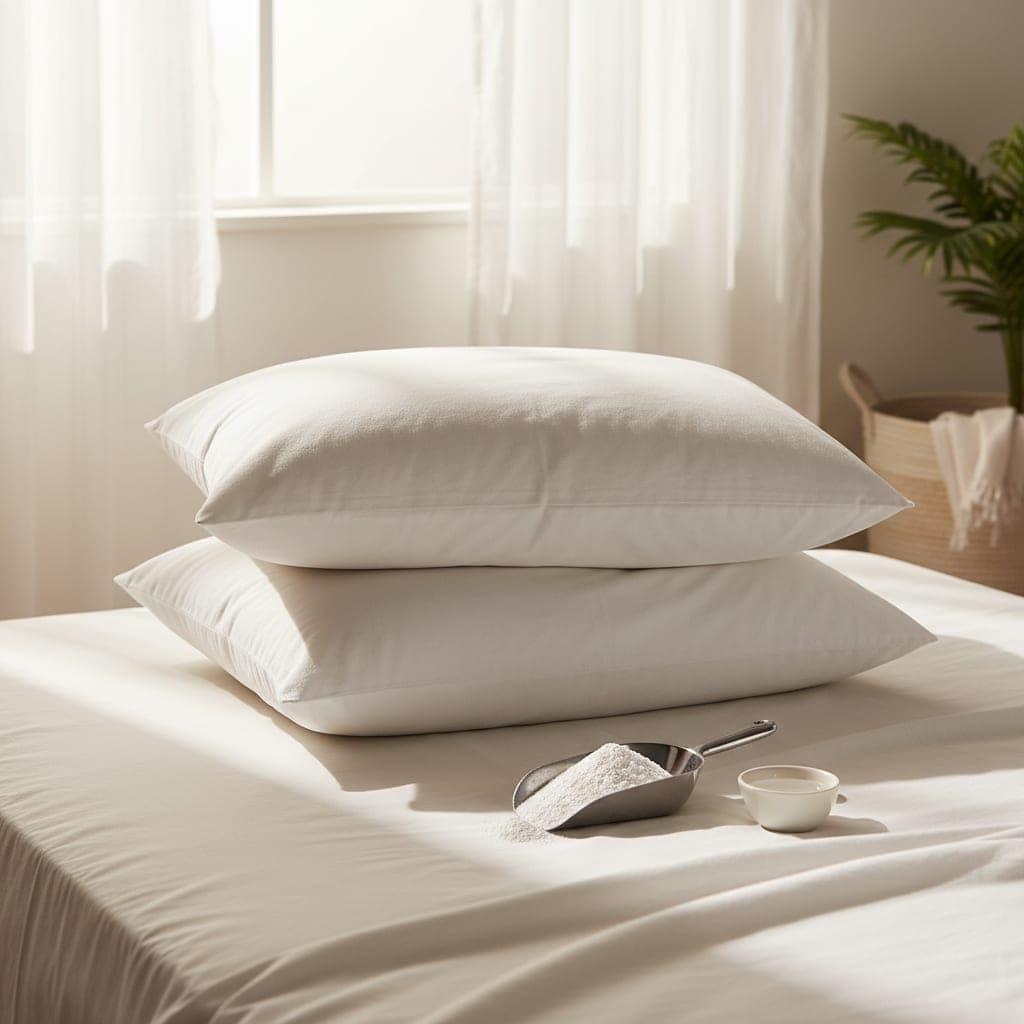
The formula that works is three components rather than one: one full scoop of OxiClean (or equivalent oxygen-based powder), half a cup of borax, and your normal measured dose of laundry detergent. Add all three to the drum before loading the pillows not the detergent drawer, which causes them to dispense at different stages. The OxiClean is the primary whitening agent: it releases hydrogen peroxide when dissolved in warm water, which oxidizes and breaks apart the protein and sweat compounds that cause yellowing. The borax softens the water so both the OxiClean and detergent work at maximum effectiveness. The detergent handles the surface body oil and general grime. This three-component system attacks yellowing through oxidation, softening, and surfaction simultaneously which is why single-ingredient approaches fall noticeably short.
Set the right wash cycle and temperature
Wash on the hottest cycle the care label permits typically 60°C (140°F) for polyester fill and 40°C (104°F) for down. Heat activates OxiClean's oxidizing reaction: the peroxide release rate roughly doubles for every 10-degree increase in temperature, so the difference between a 30°C and a 60°C wash for yellowing is dramatic. Select a longer cycle with an extra rinse the extra rinse time ensures the oxygen powder fully activates before the rinse phase and removes all product residue. If your machine has a pre-soak option, use it for a 30-minute pre-soak before the main wash begins. Pre-soaking at temperature before agitation is especially effective on old-stained pillows that have been washed repeatedly with standard detergent and never whitened. Going into the pre-soak already at temperature rather than rising to temperature during it is noticeably more effective.
Add white vinegar to the rinse cycle
Pour half a cup of white vinegar into the fabric softener compartment before starting the wash. The vinegar releases during the rinse cycle where it serves three purposes: it neutralizes alkaline detergent residue that makes white fabrics feel stiff and look slightly gray; it naturally softens the pillow fill without leaving the waxy coating that commercial fabric softeners deposit; and it kills any residual bacteria in the fill that contribute to the musty pillow smell many people assume is permanent. Do not add vinegar at the same time as OxiClean in the drum the acid partially neutralizes the oxygen release. Adding it in the softener drawer, where it enters only during the rinse cycle after the OxiClean has done its work, avoids this conflict entirely. The pillows come out soft, white, and genuinely odour-free rather than just cleaner-smelling.
Dry thoroughly this step is critical
Incomplete drying is the leading cause of pillows developing a mildew smell and a permanent damp-cardboard odour after washing. Pillow fill, especially dense polyester fiberfill, holds significant moisture in its core even when the outer surface feels dry to the touch. Run the dryer on medium heat for a minimum of two full cycles before assuming the pillow is done. Between dryer cycles, take the pillow out, give it a firm shake and a squeeze in the centre if it feels even slightly cool or damp, it goes back in. The centre of a pillow is the last part to dry and the first to grow mildew if sealed into a pillowcase while still damp. Add two clean tennis balls or wool dryer balls to the drum during drying. The balls beat the fill back into shape and separate clumped fibres so hot air circulates through the centre rather than around the outside, cutting drying time by 30 to 40 minutes on a standard load.
What to do if the yellow did not fully clear after one wash
Some pillows with years of compounded yellowing need two full wash treatments to clear completely. After the first wash and dry cycle, assess the result in natural daylight rather than under artificial bathroom or bedroom lighting warm bulb light hides yellow undertones that daylight reveals. If visible yellowing remains, repeat the wash formula with one important change: increase the OxiClean to one and a half scoops and use the hottest permitted water temperature. Do not be tempted to add bleach to speed up the process. Chlorine bleach and oxygen-based powder are chemically incompatible the bleach destroys the OxiClean's peroxide compounds on contact, meaning neither product works effectively. Bleach also weakens synthetic fibres significantly with each exposure, shortening pillow life. A second oxygen-powder wash on hot is almost always sufficient. After two washes, if yellow remains, the fill has oxidized permanently and replacement is the practical solution.
Why the popular alternatives fall short
It is worth understanding why the other common approaches disappoint, because all three fail for the same reason. Standard detergent at 40°C will get a pillow cleaner without making it whiter, because detergent lifts surface soil and body oil but has no mechanism for breaking apart the oxidized compounds that cause the yellow. Adding white vinegar does not change that; vinegar is an acid that helps with residue and softening, not an oxidizer. Adding baking soda has the same limitation in the other direction, since it is a mild alkali and a deodorizer rather than a bleaching agent. Only an oxygen bleach releases the hydrogen peroxide that actually breaks the yellowing compounds apart, and it needs warmth to do it, which is why the 60°C wash with OxiClean, borax, and detergent is the combination that works. Anything that skips an oxidizing agent or runs too cool is washing the pillow, not whitening it.
How to keep pillows white for longer after washing
Use two layers of pillow protection: a waterproof pillow protector directly on the pillow, covered by a standard pillowcase. The protector stops sweat from ever reaching the pillow fill this single step extends the time between whitening washes from approximately six months to one to two years. Wash pillowcases weekly and pillow protectors monthly. Wash the pillows themselves every three to six months rather than annually annual washing creates such a deep buildup of oxidized protein that extraction requires repeated treatments. Airing pillows in direct sunlight for several hours after washing provides natural UV bleaching that supplements the OxiClean wash. Summer sunlight on a freshly washed white pillow provides a noticeably extra brightening that no indoor drying matches.
Pro Tips
- Wash two pillows at once to keep the drum balanced single pillow loads vibrate badly and unevenly clean.
- Check the centre of the pillow for dampness after drying, not just the surface incomplete drying is how mildew forms inside the fill.
- Pre-dissolve OxiClean in a cup of hot water before adding it to the drum so it doesn't clump against wet fabric.
Frequently Asked Questions
Why do pillows turn yellow even with a pillowcase on?
Pillowcases are fabric and permeable sweat and body oils pass through them during sleep and saturate the outer layer of the pillow fill over time. The protein and salt compounds in sweat oxidize and bond with the fill fibres, turning them yellow-brown. Using a waterproof or tightly woven pillow protector under the pillowcase prevents this transfer almost entirely.
Can I use bleach to whiten yellow pillows?
Avoid it. Chlorine bleach is not effective on the protein-based yellowing that causes the problem and is chemically incompatible with OxiClean-type products. It also weakens synthetic fill fibres over time. Oxygen powder (OxiClean or sodium percarbonate) at hot water temperatures is significantly more effective and gentler on the fill material.
How often should I wash my pillows?
Every three to six months for most people more frequently if you sweat heavily during sleep or have allergies. Waiting longer than six months allows compounded protein buildup that is harder to remove in a single wash. Using pillow protectors and washing them monthly extends this interval significantly.
How this guide was made
This Laundry & Kitchen guide was researched, written, edited, and published by Fredler Pierre-Louis. The 9 steps below are built around Laundry detergent, OxiClean or oxygen powder and Borax, and the quantities and dwell times come from published cleaning-chemistry and manufacturer guidance for those materials, not from a controlled trial we ran ourselves. Where a popular version of this hack does not work, or is risky on a particular surface, this 10 min guide says so.
- Checked against manufacturer and materials guidance for the surfaces named.
- Reviewed by a person for chemical safety and surface compatibility before publication.
- Written to explain why a method works, not just to list steps.
- Corrected whenever a reader reports an error or an edge case we missed.
Read our full editorial policy or learn more about the team behind TryCleaningHacks.
Related Cleaning Guides
Safety Notes
- Never machine wash foam or memory foam pillows the agitation tears the foam and permanently destroys the pillow's structure.
- Do not mix OxiClean with chlorine bleach. The combination neutralizes both products and can release irritating chlorine gas.
- Ensure pillows are completely dry all the way through before using even minor residual dampness in the fill grows mold within 24 hours inside a pillowcase.
You might also like
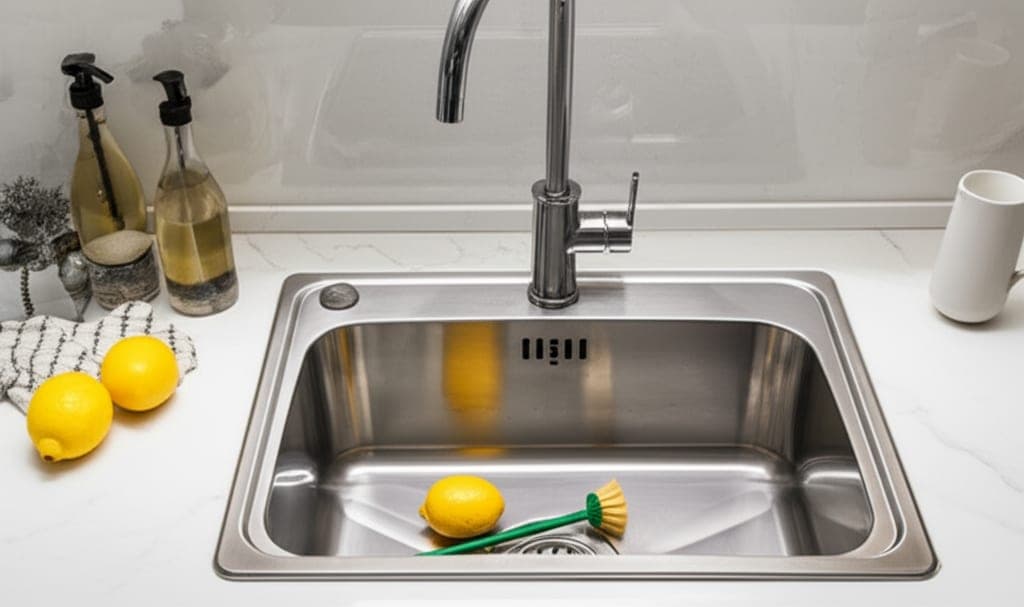
How to Get Rid of Kitchen Sink Odor (10 Easy Fixes)
My kitchen sink smelled no matter how often I cleaned it until I figured out what I was actually missing. The fix wasn't a new product; it was addressing three different sources at once. Here's what finally worked and the one mistake that kept the smell coming back.
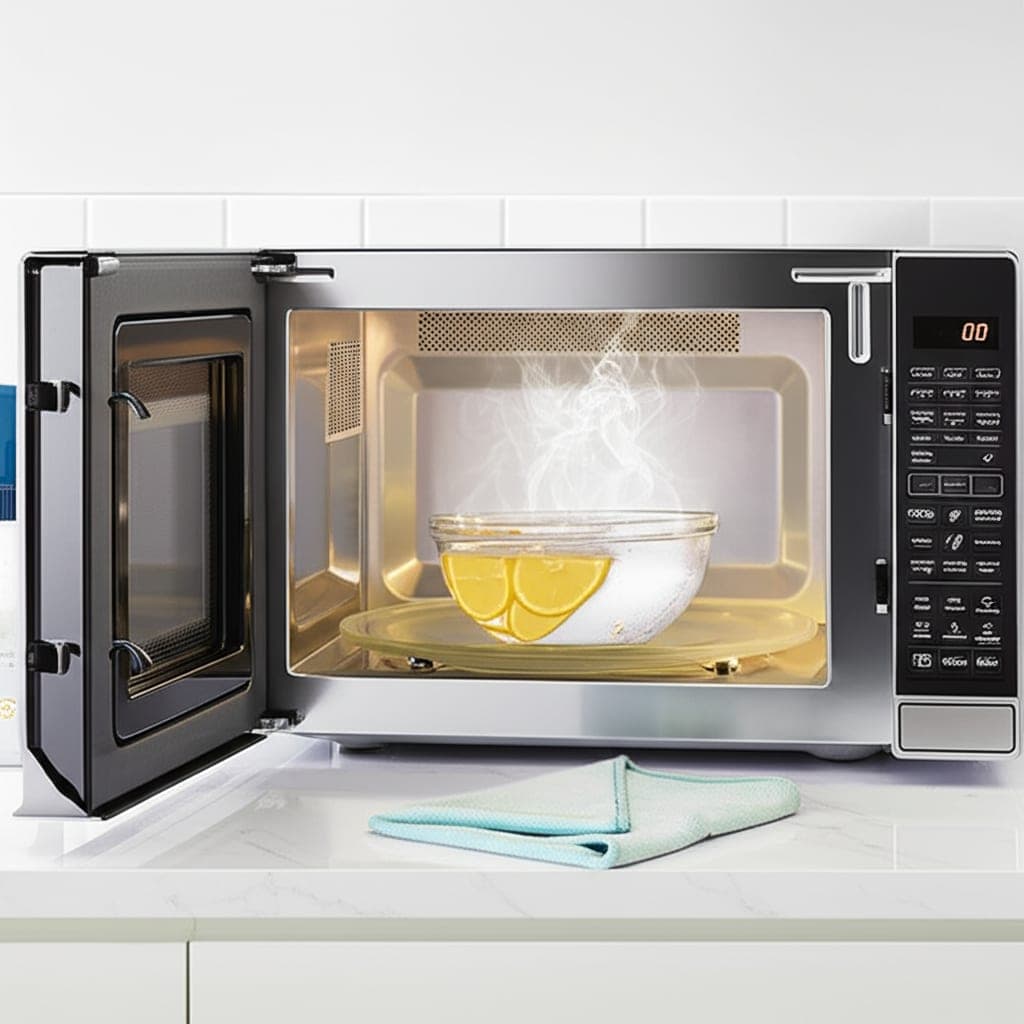
How to Clean a Microwave Inside and Out (12 Methods)
Almost nobody needs to scrub a microwave. Dried food is mostly water that has left, and steam puts enough of it back that the mess wipes away with a cloth, which is why the order of operations matters more than the product. There is also a part of the inside you should never scrub, a filter on over the range models that most owners have never removed, and a ceiling that looks fine until you point a flashlight at it. Here are twelve methods for the inside, the outside and the smell, with what each one is actually for and where it falls short.
How to Clean Stainless Steel Appliances Without Streaks (9 Methods)
Stainless steel appliances streak for one reason that almost every cleaning attempt gets wrong, and it has nothing to do with which product you buy. Stainless has a directional grain, and wiping across it drags residue into the grooves instead of out of them. Here are nine methods ranked for built-up fingerprints and kitchen grease, and the technique that decides whether any of them work.