

How to Remove Pet Stains and Odors From Carpet (8 Proven Methods)
After years of treating pet stains the wrong way hot water, scrubbing, cleaning only visible spots I finally understood why the odor always came back. Here's what the UV blacklight revealed and why enzymatic cleaners are the only product that actually solves the problem.
Jump to a section
- What you'll need
- Step-by-step
- Act fast blot the stain immediately
- Method 1 Enzymatic cleaner for urine stains
- Method 2 White vinegar and baking soda treatment
- Method 3 Hydrogen peroxide spot treatment
- Method 4 Baking soda odor absorption for dried stains
- Method 5 Blacklight detection for hidden stains
- Pro tips
- FAQ
What You'll Need
Step-by-Step Instructions
Act fast blot the stain immediately
Speed is the single most important factor in pet stain removal. The longer urine, vomit, or muddy water sits on carpet, the deeper it soaks into the fibers and padding, and the harder it becomes to remove both the stain and the odor. For liquid stains, press clean white cloths or stacked paper towels firmly into the stain to absorb as much moisture as possible. Stand on the towels if needed to apply body-weight pressure. Never rub or scrub a fresh stain rubbing spreads it outward and pushes it deeper into the carpet fibers and backing. For solid messes like vomit, scoop up as much as possible with a spatula or piece of cardboard before blotting. Continue blotting with fresh cloths until no more moisture transfers. Removing 80% of the liquid during blotting makes the cleaning treatment dramatically more effective.
Method 1 Enzymatic cleaner for urine stains
Enzymatic cleaners are the gold standard for pet urine because they contain live bacteria that produce enzymes specifically designed to break down uric acid crystals the component of urine that causes persistent odor even after the stain appears clean. Saturate the stained area generously with enzymatic cleaner, ensuring the product reaches the carpet backing and padding where urine migrates downward. Cover the area with a damp cloth or plastic wrap to keep the enzymes moist and active. Leave it for the time specified on the product label typically 12 to 24 hours. Do not blot or rinse during this period. The enzymes need moist contact time to fully digest the uric acid. After the treatment period, blot up remaining moisture and let the area air-dry. Enzymatic cleaners work on both fresh and old dried urine stains and are the only method that permanently eliminates urine odor at the molecular level.
Method 2 White vinegar and baking soda treatment
This two-step method works well on fresh urine stains and is made from supplies most households already have. After blotting up as much urine as possible, mix equal parts white vinegar and cool water in a spray bottle. Saturate the stained area and work the solution into the carpet with a brush or gloved fingers. Let it sit for 10 minutes the vinegar neutralizes the ammonia in urine and inhibits bacterial growth causing the odor. Blot up the vinegar solution with clean towels. Next, sprinkle a thick layer of baking soda over the still-damp area. The baking soda absorbs remaining moisture and odor as it dries. Let it sit for eight hours or overnight. Vacuum up the dried baking soda thoroughly. The area should be stain-free and odor-free. For older stains, you may need to repeat the process. This method is safe for most carpet types and is non-toxic for homes with pets and children.
Method 3 Hydrogen peroxide spot treatment
Hydrogen peroxide works as both a stain remover and a mild disinfectant for pet accidents on light-colored carpet. Mix half a cup of 3% hydrogen peroxide with one teaspoon of dish soap. Test the solution on a hidden area of carpet first peroxide can lighten dark-colored carpet. Apply the solution to the stain and work it in gently with a carpet brush or old toothbrush. Let it sit for 15 minutes. Blot with clean white cloths until no more color transfers. Rinse the area by blotting with a cloth dampened with plain water, then blot dry. Hydrogen peroxide oxidizes the pigments in pet stains, breaking down the discoloration at a chemical level. This makes it especially effective on the yellowish marks left by dried urine. For vomit stains with food coloring or bile discoloration, peroxide is the most effective home remedy for restoring carpet color.
Method 4 Baking soda odor absorption for dried stains
For dried pet stains where the visible discoloration is gone but the odor persists especially noticeable on humid days or when the heating system runs baking soda is your best deep-deodorizing tool. Lightly mist the area with water to reactivate any dried urine residue in the carpet fibers. Generously cover the entire affected area with baking soda, creating a layer that is at least a quarter inch thick. Let the baking soda sit for 24 hours. During this time, it absorbs moisture, neutralizes acid compounds causing the odor, and draws urine salts out of the carpet fibers and backing. Vacuum thoroughly using slow passes. If odor remains after the first treatment, repeat. You can add 10 drops of lavender or eucalyptus essential oil to the baking soda for a subtle fresh scent. This method is safe for all carpet types and colors and is completely non-toxic.
Method 6 Dish soap and cool water for vomit stains
Pet vomit contains bile and stomach acids that can permanently stain carpet if not treated promptly. After scooping up solid material, mix one tablespoon of dish soap with two cups of cool water. Never use hot water on protein-based stains like vomit heat cooks the proteins and sets the stain permanently. Dip a clean white cloth into the soapy solution and blot the stain from the outside edges inward to prevent spreading. Continue with fresh sections of cloth until no more color transfers. Rinse by blotting with a cloth dampened with plain cool water to remove soap residue. Blot dry with clean towels. For stains with persistent color especially from bile or food dyes follow up with the hydrogen peroxide treatment. Work slowly and patiently during this process. Aggressive scrubbing damages carpet fibers and spreads the stain into a larger area.
Method 7 Vinegar rinse for repeat-marking spots
Dogs and cats revisit and re-mark areas where they have previously urinated because they can detect residual scent that humans cannot. Breaking this cycle requires not just cleaning the stain but completely neutralizing the scent marker that draws the pet back. After cleaning the stain with your preferred method, do a final vinegar rinse: mix one cup of white vinegar with one cup of water and saturate the area. Let it sit for five minutes, then blot dry. The acetic acid in vinegar neutralizes the alkaline urine salts that pet noses detect. For cats specifically, avoid using ammonia-based cleaners cat urine contains ammonia, so ammonia cleaners actually reinforce the scent marker rather than removing it. After treatment, keep the pet away from the area until it is completely dry, as a damp spot may attract re-marking.
Method 8 Deep carpet extraction for severe cases
When pet urine has soaked through the carpet into the padding underneath, surface treatments alone cannot fully eliminate the odor. The urine crystals embedded in carpet padding continue producing smell indefinitely. For severe cases, rent a carpet cleaner with an extraction function these machines inject cleaning solution deep into the carpet and padding and then vacuum it back out with powerful suction. Use an enzymatic cleaning solution in the machine instead of generic carpet shampoo. Make two slow passes over each affected area: one to inject and one to extract. Focus on areas identified with the blacklight. After extraction, sprinkle baking soda over the damp areas and let them dry completely with fans or open windows providing airflow. If odor persists after extraction, the padding may need to be cut out and replaced a straightforward repair for any carpet installer.
Prevent future pet stains and protect your carpet
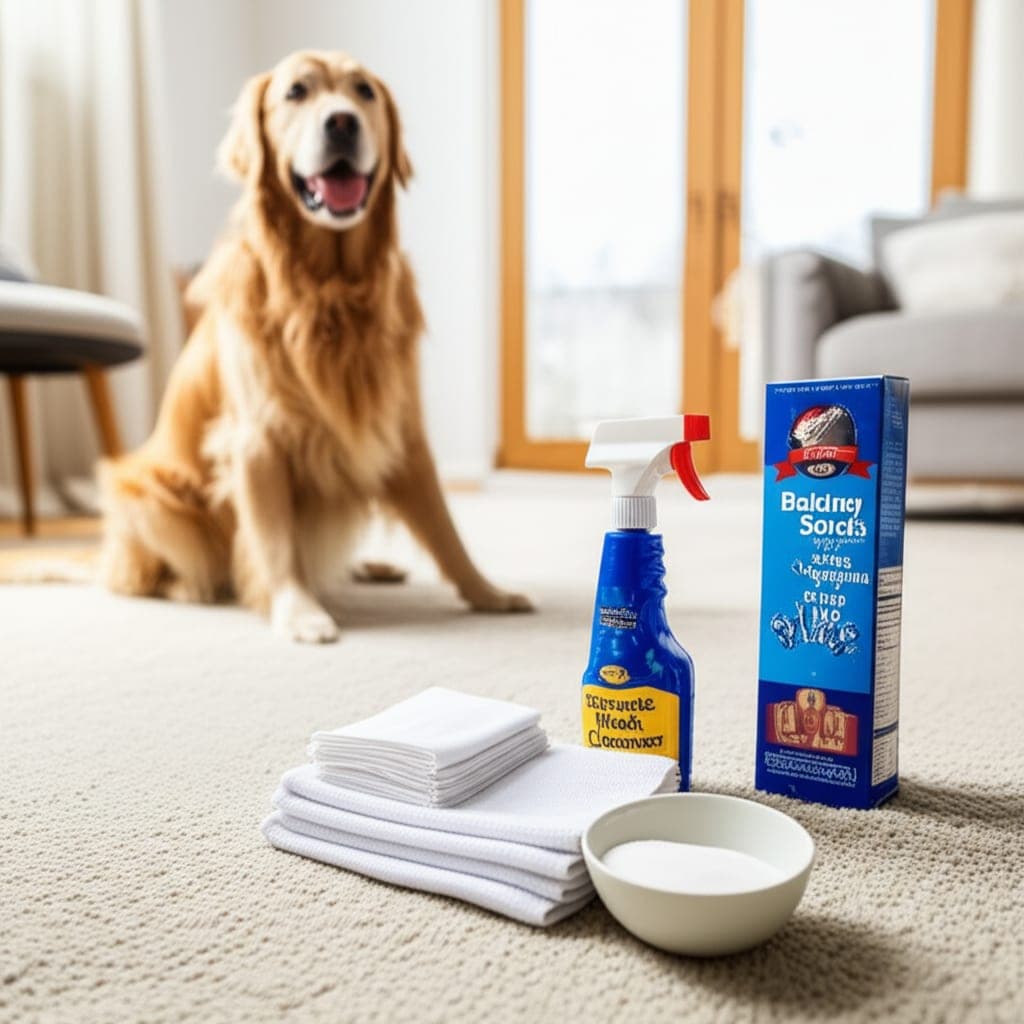
Prevention reduces the frequency and severity of pet accidents on carpet. Take puppies and senior dogs outside more frequently puppies every two hours, senior dogs every four to six hours. Place washable pee pads in areas where accidents commonly happen during house training. For cats, ensure one litter box per cat plus one extra, cleaned daily cats avoid dirty litter boxes and choose carpet as an alternative. Treat new accidents within 15 minutes for the best stain and odor removal outcomes. Keep a pet stain emergency kit ready: enzymatic cleaner, white cloths, baking soda, and a spray bottle of vinegar-water solution. Consider applying a carpet protector spray to high-risk areas these products create a barrier that prevents liquids from soaking in immediately, giving you more time to blot before the stain sets.
What the blacklight revealed and why enzymatic cleaners are non-negotiable
Using the UV blacklight for the first time was the most important diagnostic step I took. My carpet had been professionally cleaned twice and still smelled. Sweeping the blacklight across the living room in darkness revealed nine glowing patches completely invisible under normal light, including four along the baseboards where I had never noticed any accident. I had been treating visible stains while the actual odor sources continued emitting from the padding. Enzymatic cleaner is the only product that addresses the molecular source: uric acid crystals embedded in carpet padding do not respond to vinegar, baking soda, or standard cleaners. Only bacterial enzymes physically break down the crystals. The key that most people miss: the enzymatic cleaner must be applied in sufficient volume to saturate through the carpet fiber and reach the padding where the urine migrated. A light surface spray treats the symptom; a thorough saturating application treats the actual source at depth.
Mistakes that set stains permanently or allow odors to persist indefinitely
Mistake one: using hot water on pet vomit or any protein-containing stain. Heat permanently sets protein stains by coagulating organic compounds into the carpet fibers. Use cool water only on vomit, blood, and any stain containing organic material. Mistake two: rubbing instead of blotting. Rubbing spreads the stain outward and pushes it deeper into the carpet backing. Always blot with firm downward pressure using body weight if needed. Mistake three: using ammonia-based cleaners for cat urine. Cat urine contains ammonia as a component, so ammonia cleaners reinforce the territorial scent marker rather than neutralizing it. The cat will return to re-mark the same spot. Use enzymatic cleaners or vinegar-based solutions only. Mistake four: not using the blacklight to find hidden stains before treating. Visible stains are frequently not the primary odor source the older, invisible deposits embedded in the padding beneath them are. Five minutes with a blacklight in a darkened room reveals the complete picture of what needs to be treated.
Pro Tips
- Use a UV blacklight to find hidden pet urine stains that are invisible to the eye but continue causing odor.
- Never use hot water on pet vomit stains heat cooks the proteins and permanently sets the stain into the carpet fibers.
- Keep an emergency kit near your pet area: enzymatic cleaner, white cloths, baking soda, and a vinegar spray bottle.
- Pet accidents and oven grease share a trick: enzymes and time beat scrubbing. If you would rather skip the fumes on your oven too, how to clean an oven without harsh chemicals gets there with baking soda and vinegar.
- Enzyme and oxygen cleaners rescue carpet, and the very same chemistry lifts set-in sweat stains from fabric. Here is how to remove yellow armpit stains from shirts, tested five ways.
Frequently Asked Questions
What is the best way to get pet urine smell out of carpet?
An enzymatic cleaner is the most effective solution because it contains bacteria that produce enzymes to break down uric acid crystals the compound that causes persistent urine odor. Saturate the area and let it sit for 12 to 24 hours. For a natural alternative, treat with vinegar and water, then cover with baking soda overnight and vacuum.
Does baking soda remove pet odor from carpet?
Yes, baking soda is highly effective at absorbing pet odors from carpet. Sprinkle a thick layer over the affected area and let it sit for at least eight hours or overnight. The baking soda absorbs moisture and neutralizes the acid compounds causing the smell. Vacuum thoroughly afterward. Repeat if odor remains.
How do you find old pet stains on carpet?
Use a UV blacklight flashlight in a darkened room. Pet urine fluoresces bright yellow-green under ultraviolet light, revealing stains that are invisible to the naked eye. Sweep the blacklight six to twelve inches above the carpet and mark discovered stains with painter's tape for treatment.
Why does my carpet still smell after cleaning pet urine?
The most common reason is that urine has soaked through the carpet into the padding underneath, where surface cleaning cannot reach. Standard cleaners may remove the visible stain but leave uric acid crystals in the padding that continue producing odor. Use an enzymatic cleaner that you saturate deeply enough to reach the padding, or rent a carpet extraction machine.
Can you use vinegar to clean pet stains on carpet?
Yes, a 50/50 mix of white vinegar and water works well on fresh pet stains. The acetic acid neutralizes ammonia in urine and inhibits bacterial growth. Apply generously, let sit for 10 minutes, blot dry, then follow with baking soda overnight for full odor absorption. Vinegar alone may not fully eliminate old, dried urine enzymatic cleaners work better for aged stains.
How this guide was made
This Deep Clean guide was researched, written, edited, and published by Fredler Pierre-Louis. The 12 steps below are built around Enzymatic pet stain cleaner, White vinegar and Baking soda, and the quantities and dwell times come from published cleaning-chemistry and manufacturer guidance for those materials, not from a controlled trial we ran ourselves. Where a popular version of this hack does not work, or is risky on a particular surface, this 14 min guide says so.
- Checked against manufacturer and materials guidance for the surfaces named.
- Reviewed by a person for chemical safety and surface compatibility before publication.
- Written to explain why a method works, not just to list steps.
- Corrected whenever a reader reports an error or an edge case we missed.
Read our full editorial policy or learn more about the team behind TryCleaningHacks.
Related Cleaning Guides
Safety Notes
- Always test cleaning solutions on a hidden area of carpet before applying to the stain. Hydrogen peroxide can bleach dark carpets, and some enzymatic cleaners may affect certain carpet dyes.
- Wear rubber gloves when handling pet waste and cleaning solutions. Pet urine and feces can contain bacteria and parasites that transfer through skin contact.
- Never mix hydrogen peroxide with vinegar in the same container. Combined, they form peracetic acid, which can cause skin burns and respiratory irritation. Use them as separate treatments with a water rinse between.
- Keep enzymatic cleaners and borax-based products away from pets and children. While less toxic than chemical cleaners, ingestion can still cause gastrointestinal distress.
You might also like
7 Deep Cleaning Tricks That Save Hours Every Week
Most of the time spent cleaning a bathroom is spent waiting or backtracking, not scrubbing. Spraying one surface, waiting for it, wiping it, then starting the next one means you pay every dwell time separately. Batching those dwell times so every cleaner works at once is the single change that cuts the job roughly in half. None of this involves a gadget or a miracle spray, just the order you work in and where you stop wasting motion.
How to Deep Clean a Shower (10 Proven Methods)
I deep cleaned the same shower twice in one week once with my old routine and once with these ten methods applied in the right sequence. The difference wasn't even close. Here's what changed and the daily habit that eliminated most of my scrubbing for good.
30 Cleaning Myths You Need to Stop Believing
I believed most of these myths for years, and two of them left permanent marks on surfaces in my own house. This is the honest version of what I got wrong, why the popular advice fails, and the two safety myths that actually send people to the emergency room. I have kept the failures in here on purpose, because the mistakes taught me more than the wins did, and a myth is only dangerous while you still trust it.