

How to Get Rid of Bed Bugs Fast: A 24-Hour First Response Plan
The first 24 hours after you confirm bed bugs are the most important window in the entire treatment timeline. What you do tonight decides whether the infestation stays contained to one bed or spreads to the rest of the house by the weekend. Here is the exact first response plan that buys you time, kills the most accessible bugs immediately, and sets up the longer multi week protocol for success.
Jump to a section
- What you'll need
- Step-by-step
- Confirm what you are seeing before you panic or treat the wrong bug
- Do not move bedding or clothing to another room under any circumstances
- Run every fabric item through the dryer on the highest tolerated heat for 30 minutes
- Vacuum every seam, joint, and crevice in the bedroom and dispose of the bag immediately
- Spray rubbing alcohol on the mattress seams as a contact kill on visible bugs
- Install interceptor cups under all four bed legs and pull the bed away from the wall
- Pro tips
- FAQ
What You'll Need
Step-by-Step Instructions
Confirm what you are seeing before you panic or treat the wrong bug
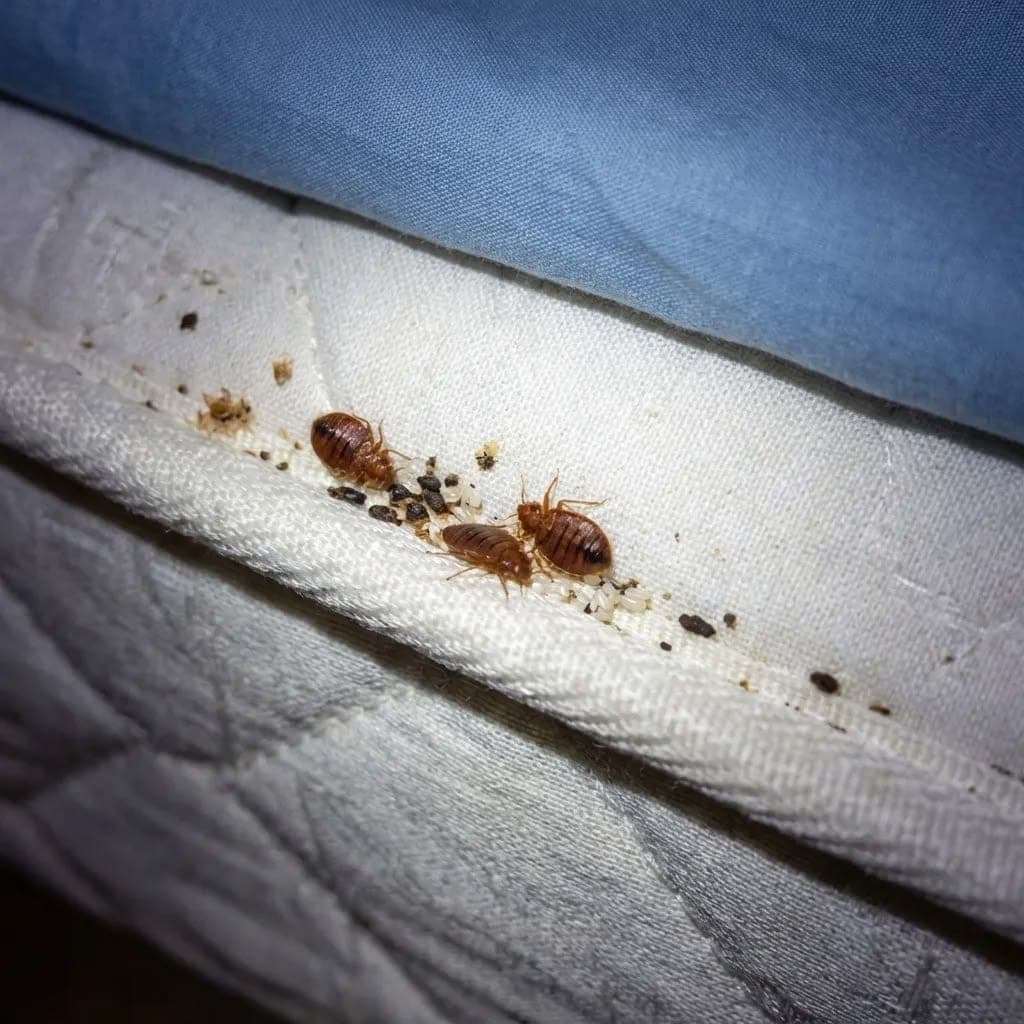
Adult bed bugs are flat, oval, reddish brown, and roughly the size of an apple seed at five to seven millimeters across. Nymphs are translucent and much smaller, and eggs are pearl colored and about the size of a pinhead. The single most useful telltale sign is not the bug itself but the dark fecal spotting along the piping seam of the mattress, which looks like small dots of dried ink and smears when you rub it with a wet cotton swab. Use a bright flashlight and inspect the piping on all four sides of the mattress and the box spring, the corners of the bed frame, and the back of the headboard. If you see live insects but cannot decide whether they are bed bugs or look alikes such as carpet beetles or bat bugs, capture two in a clear glass jar with a lid before starting any treatment so a local pest control company or county extension office can identify them for free. Acting on a misidentification wastes a week of effort and lets the real problem grow.
Do not move bedding or clothing to another room under any circumstances
The single most damaging mistake in the first 24 hours is grabbing the contaminated sheets off the bed and walking them through the rest of the house to the laundry room. That walk is how a one room problem becomes a whole home problem. Strip the bed in place and drop every item directly into a heavy duty plastic trash bag positioned right next to the bed. Tie each bag tightly closed before lifting it. Do not set bags down anywhere except the laundry room floor or the back of a car for transport to a laundromat. Do not stack contaminated bags next to clean laundry. Do not sit on the couch in your pajamas before changing clothes if you have been sitting on the affected bed. The bugs and eggs travel on fabric and on people, and one trip across the living room carpet plants the next infestation site.
Run every fabric item through the dryer on the highest tolerated heat for 30 minutes
The dryer is the fastest weapon you have in the first 24 hours. Bed bugs and their eggs die at sustained temperatures above 118 degrees Fahrenheit, and a hot dryer reliably hits and holds 130 degrees or higher. Wash items in hot water first if the care label allows, then dry on the highest heat setting for a minimum of 30 minutes after the load is dry to the touch. The 30 minute heat dwell after the load reaches dryness is what kills the eggs that survive the wash cycle. Items that cannot tolerate hot water, including wool sweaters, delicates, and stuffed animals, should skip the wash and go straight into the dryer alone on the highest tolerated heat for 45 minutes. Process every fabric item from the affected room, including curtains, throw pillows, shoes that can tolerate heat, and any clothing that was on the bed or the bedroom floor in the last week.
Vacuum every seam, joint, and crevice in the bedroom and dispose of the bag immediately
Attach the crevice tool to your vacuum and move it slowly along every seam of the mattress and box spring, every joint of the bed frame, the back of the headboard, the baseboards behind and beside the bed, the gap where the carpet meets the wall, and any furniture in the room. Slow movement is what physically lifts the bugs and eggs out of hiding because suction needs contact time to overcome the surface grip of the eggs. Pay extra attention to the piping seam of the mattress, which is the single most common harborage location and where you are most likely to see live bugs and dark fecal spots. The moment you finish vacuuming, remove the vacuum bag or empty the canister into a sealed plastic bag and carry it directly to the outdoor trash bin. Bed bugs survive inside vacuum bags and will climb back out through the hose if the bag is not removed promptly.
Spray rubbing alcohol on the mattress seams as a contact kill on visible bugs
70 percent isopropyl alcohol in a spray bottle kills bed bugs on direct contact by dissolving the waxy coating of their exoskeleton. It is not a long term treatment because it evaporates within minutes and leaves no residual, but it is genuinely useful in the first 24 hours as a contact kill on the live bugs you can see when you lift the mattress piping. Spray directly on visible bugs, eggs, and the fecal staining along the seams. Let the mattress air out for 30 minutes before remaking the bed so the alcohol evaporates completely. Do not soak the mattress and do not use alcohol near open flames, pilot lights, or while smoking. Two passes spaced eight hours apart are more effective than a single heavy application because the second pass catches bugs that emerged from deeper hiding after the first.
Install interceptor cups under all four bed legs and pull the bed away from the wall
Bed bug interceptor cups are smooth walled plastic cups with a moat in the middle that bed bugs can climb into but not climb out of. Place one under each leg of the bed. Pull the entire bed at least six inches away from any wall, and remove any bed skirt or sheet that touches the floor. Bed bugs cannot fly or jump, so once the interceptors are in place the only paths for bugs to reach you while you sleep are the bed legs (now blocked) or a wall or fabric that touches the bed (now removed). The interceptors do two jobs at once: they prevent bugs from reaching you, and they trap bugs that are already on the bed trying to leave to feed. A weekly count of the bugs in the interceptors gives you an objective measurement of whether your longer treatment plan is working. The count should decline week over week and reach zero within four to six weeks.
Sleep in the affected bedroom on a bare encased mattress, not on the couch
This is the most counterintuitive step in the first response plan, and skipping it is one of the most common reasons that a contained one room infestation spreads to the whole house. Bed bugs follow the carbon dioxide and body heat of a sleeping person. If you abandon the bedroom and start sleeping on the living room couch or in the guest room, the bugs follow you within one to two weeks and you have started a second infestation site. Stay in the affected bedroom with the interceptors installed under the legs. Install a zippered bed bug certified mattress encasement on the mattress and box spring within 24 hours if at all possible. The encasement traps any bugs and eggs that survived the initial treatment inside where they cannot bite you, and lets you sleep in the bed safely while the longer treatment runs its course.
Quarantine the suspected source (luggage, used furniture, or visiting fabric items)
Within the first 24 hours, identify the most likely source of the infestation and quarantine it separately. The single most common entry point is a piece of luggage that was in a hotel within the last two weeks. The second most common is used furniture or a used mattress recently brought into the home. The third is fabric items, especially backpacks or coats, that came into the home from another infested location. Place the suspected source in a heavy duty sealed plastic bag and move it to a garage, basement, or detached area where it cannot reach the rest of the house. For hard sided luggage, wipe the interior and exterior with rubbing alcohol on a microfiber cloth. For soft sided luggage with fabric components, run the fabric through the dryer on the highest heat for 45 minutes and steam the rigid components if you have access to a handheld steamer. Quarantine the item for at least six months before returning it to normal use, regardless of how well the initial treatment seems to have worked.
Plan the longer multi week treatment and decide whether to call a professional
The first 24 hour response buys you time, but it does not eliminate the infestation. Bed bug eggs hatch on a six to ten day cycle, and a single treatment cannot kill eggs that hatch after the treatment. Set a calendar reminder to repeat the full inspection, vacuum, and heat treatment cycle every seven days for at least six weeks. For the full step by step protocol that takes the infestation from contained to eliminated, see our how to deep clean your mattress guide. Call a professional pest control company within the first week if any of these apply: you found live bugs in more than one room during the adjacent room inspection, the infestation has been present for longer than three months before you noticed it, a household member has a severe allergic reaction to the bites, or you do not have the time or equipment to commit to six weeks of weekly DIY treatments. Professional treatment for a single bedroom typically costs five hundred to fifteen hundred dollars and eliminates the infestation in two to three visits over four weeks.
What actually matters in the first 24 hours and what can wait
If you only have time for three things tonight, do these three: install the interceptor cups under the bed legs, run every fabric item from the bed through the dryer on the highest heat for 30 minutes, and do not move contaminated bedding through any other room of the house. Those three actions alone keep the infestation contained to the affected bed and prevent it from spreading while you plan the longer treatment. Vacuuming and rubbing alcohol are valuable but not as time critical because they kill the bugs you can see rather than preventing spread. The mattress encasement, the diatomaceous earth application around baseboards, and the steam cleaning of the box spring underside are all important and should happen within the first week, but they are not strictly necessary in the first 24 hours. Use the urgency of the moment for the three highest leverage actions and resist the temptation to do everything at once and burn yourself out before the longer six week treatment even begins.
Mistakes that make the first 24 hours actively counterproductive
Mistake one: moving contaminated bedding through the house to the laundry room without bagging it first. Mistake two: spraying over the counter pesticides on the mattress before doing the mechanical removal with the vacuum and the dryer. Bed bugs have developed resistance to most pyrethroid pesticides, and spraying first scatters the bugs into adjacent rooms before the heat treatment can kill them. Mistake three: abandoning the affected bedroom and sleeping on the couch or in a guest room. The bugs follow your body heat within one to two weeks and start a second infestation site. Mistake four: throwing the mattress out without sealing it in plastic and labeling it as bed bug infested. An unmarked discarded mattress is often picked up by another household and spreads the infestation to a new location, and bugs fall off during the carry to the curb and infest other rooms in your own home. Mistake five: relying on essential oils, tea tree oil, or social media DIY hacks as the primary treatment. The natural oil approach has not been validated against bed bugs at concentrations safe for indoor use, and the time spent on ineffective treatments lets the infestation grow significantly before you switch to a proven protocol.
Pro Tips
- Keep a roll of heavy duty contractor trash bags next to the bedroom door for the duration of the treatment. Every fabric item that enters or leaves the affected room should go through a sealed bag, and having the bags within arm's reach is what makes the discipline sustainable past the first 48 hours.
- Place a sheet of double sided sticky tape around the perimeter of each interceptor cup as a backup trap. The cups catch most bugs but the tape catches the small fraction that climb the very edge of the cup before falling in, which gives a more accurate weekly count of the bug population.
- Take dated photos of every visible bug and fecal stain before you do any treatment. The before and after comparison at four week intervals is the most reliable way to measure whether the treatment is working, and the photos serve as documentation if you later need to notify a landlord or file an insurance claim.
- Run the dryer on the highest heat for 30 minutes for the dryer load that follows your contaminated laundry, even if that next load contains nothing from the affected room. The extra heat cycle sterilizes the dryer drum and prevents cross contamination of subsequent loads with eggs that survived the contaminated cycle.
- Set a weekly calendar reminder for the next six weeks at the moment you finish the first response. The longer treatment depends on weekly repeat cycles timed to the six to ten day egg hatch cycle, and the reminders are what prevent the treatment from quietly lapsing two weeks in once the immediate panic has subsided.
Frequently Asked Questions
What should I do in the first 24 hours after finding bed bugs?
Focus on three actions in the first 24 hours: install bed bug interceptor cups under all four bed legs and pull the bed at least six inches away from any wall, run every fabric item from the bed through the dryer on the highest tolerated heat for at least 30 minutes after the load is dry to the touch, and do not move any contaminated bedding through other rooms of the house without first sealing it in a heavy duty plastic trash bag. Those three actions contain the infestation to the affected bed and prevent it from spreading while you plan the longer six week treatment protocol. Vacuuming with a crevice tool and spraying 70 percent rubbing alcohol on visible bugs are valuable additional steps but less time critical because they kill the bugs you can see rather than preventing spread to new rooms.
Should I sleep somewhere else after finding bed bugs?
No. Continue sleeping in the affected bedroom on the bed with the interceptor cups installed under the legs and ideally with a zippered bed bug certified encasement on the mattress and box spring. Bed bugs follow the carbon dioxide and body heat of a sleeping person, and if you abandon the bedroom and start sleeping on a living room couch or in a guest room the bugs follow you within one to two weeks and start a second infestation site. Staying in the affected room with the interceptors in place keeps the infestation contained to one location where the treatment can fully eliminate it.
Does rubbing alcohol actually kill bed bugs?
Yes, 70 percent isopropyl rubbing alcohol kills bed bugs on direct contact by dissolving the waxy coating of their exoskeleton. It is useful in the first 24 hours as a contact kill on visible bugs and eggs along the mattress piping seam, but it is not a long term treatment because it evaporates within minutes and leaves no residual protection. Two applications spaced eight hours apart are more effective than a single heavy application because the second pass catches bugs that emerged from deeper hiding after the first. Rubbing alcohol is flammable, so never spray near open flames or pilot lights, and ventilate the room for at least 30 minutes after spraying.
Can I get rid of bed bugs in a single day?
No. A single day of treatment can contain the infestation and kill the bugs you can see, but complete elimination requires repeat treatment over a six to ten day egg hatch cycle for at least six weeks. Bed bug eggs are highly resistant and a single treatment cannot kill eggs that hatch after the treatment. The 24 hour first response plan buys you time and prevents spread, and the weekly repeat inspection, vacuum, and heat treatment over the following six weeks is what fully eliminates the infestation. Professional pest control using a whole home heat treatment session at 140 degrees Fahrenheit for several hours can eliminate even widespread infestations in a single day but typically costs two thousand to five thousand dollars.
How do I know if I am dealing with bed bugs or another insect?
Adult bed bugs are flat, oval, reddish brown, and roughly the size of an apple seed at five to seven millimeters across. The most useful confirmation is not the bug itself but the dark fecal spotting along the piping seam of the mattress, which looks like small dots of dried ink and smears red brown when rubbed with a wet cotton swab. Carpet beetles are smaller, rounder, and often patterned in black and white or yellow. Bat bugs look almost identical to bed bugs and are distinguished only by longer hair under a microscope. Capture two suspected bugs in a clear glass jar with a lid and bring them to a local pest control company or county extension office for free identification before starting any treatment, because acting on a misidentification wastes a week of effort while the real problem grows.
How this guide was made
This Pest Control guide was researched, written, edited, and published by Fredler Pierre-Louis. The 12 steps below are built around Heavy duty plastic trash bags, Vacuum with crevice tool and Bright flashlight, and the quantities and dwell times come from published cleaning-chemistry and manufacturer guidance for those materials, not from a controlled trial we ran ourselves. Where a popular version of this hack does not work, or is risky on a particular surface, this 10 min guide says so.
- Checked against manufacturer and materials guidance for the surfaces named.
- Reviewed by a person for chemical safety and surface compatibility before publication.
- Written to explain why a method works, not just to list steps.
- Corrected whenever a reader reports an error or an edge case we missed.
Read our full editorial policy or learn more about the team behind TryCleaningHacks.
Related Cleaning Guides
Safety Notes
- Rubbing alcohol is flammable. Never spray it near open flames, gas pilot lights, candles, or while anyone in the home is smoking. Let the mattress air out completely before remaking the bed, and ventilate the room with a window open for at least 30 minutes after spraying.
- Do not apply over the counter pesticides to mattress surfaces, pillows, or any soft surface that contacts skin during sleep. Most pesticides are not formulated for direct skin contact and can cause irritation or chemical absorption. Use only physical and heat based treatments on items that contact your body.
- If any household member has a severe allergic reaction to the bites or develops widespread skin reactions, seek medical attention promptly and consider professional pest control intervention. The time pressure of a medical risk justifies the cost of professional treatment, which eliminates the infestation faster than any DIY method.
You might also like
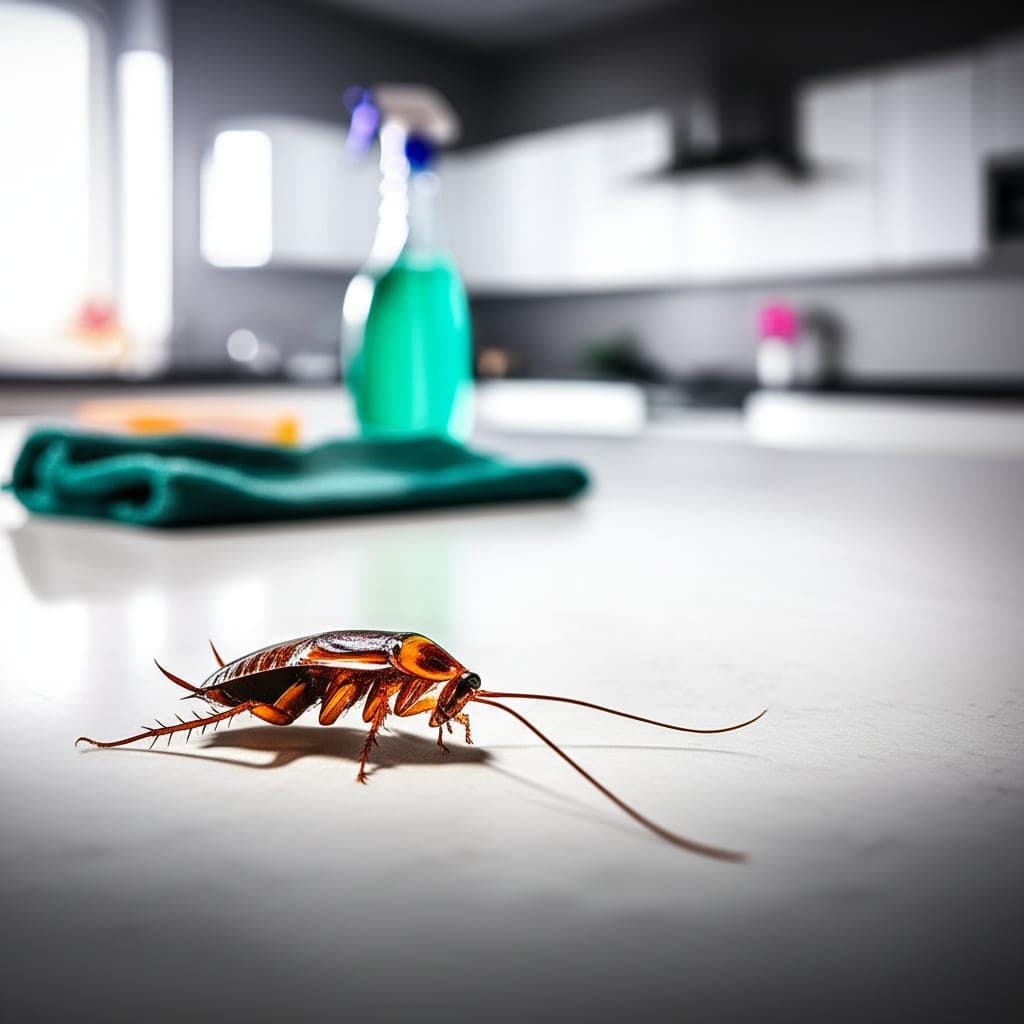
How to Get Rid of Cockroaches Naturally (10 Effective Methods)
I dealt with cockroaches after moving above a restaurant not an easy starting condition and tested every method here under genuine high-pressure circumstances. Here's what actually controlled the infestation and the single mistake that made everything significantly worse before it improved.
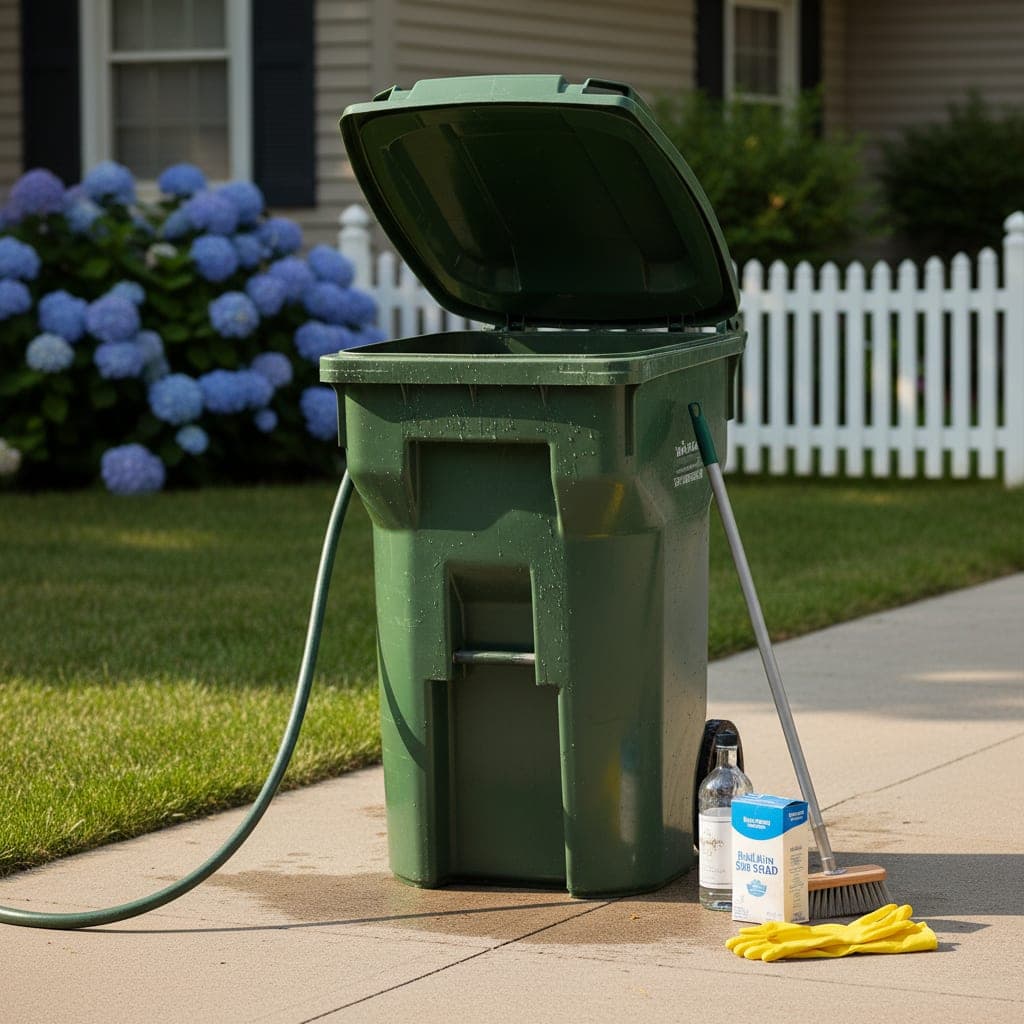
How to Get Rid of Maggots in a Trash Can (And Keep Them Gone for Good)
If you have ever opened a garbage can and found maggots crawling inside, you know how unsettling it is. I dealt with a severe case during a Florida summer and tested every removal method I could find. Here is what actually eliminated them overnight and the simple weekly habit that has kept them from coming back.

How to Keep Flies Away Outdoors (10 Methods That Actually Work on a Patio)
Most popular outdoor fly remedies fail for a reason you can predict from how flies actually behave, and the cheapest approach is the one that works best. Flies are weak fliers, so moving air beats every spray, candle, and folk remedy on the list, including the water filled bag that has no mechanism behind it at all. Here is the combination that keeps an outdoor dining area genuinely fly free, and the mistakes that draw flies in faster than you can swat them.