

8 DIY Bathroom Cleaning Recipes That Beat Store-Bought
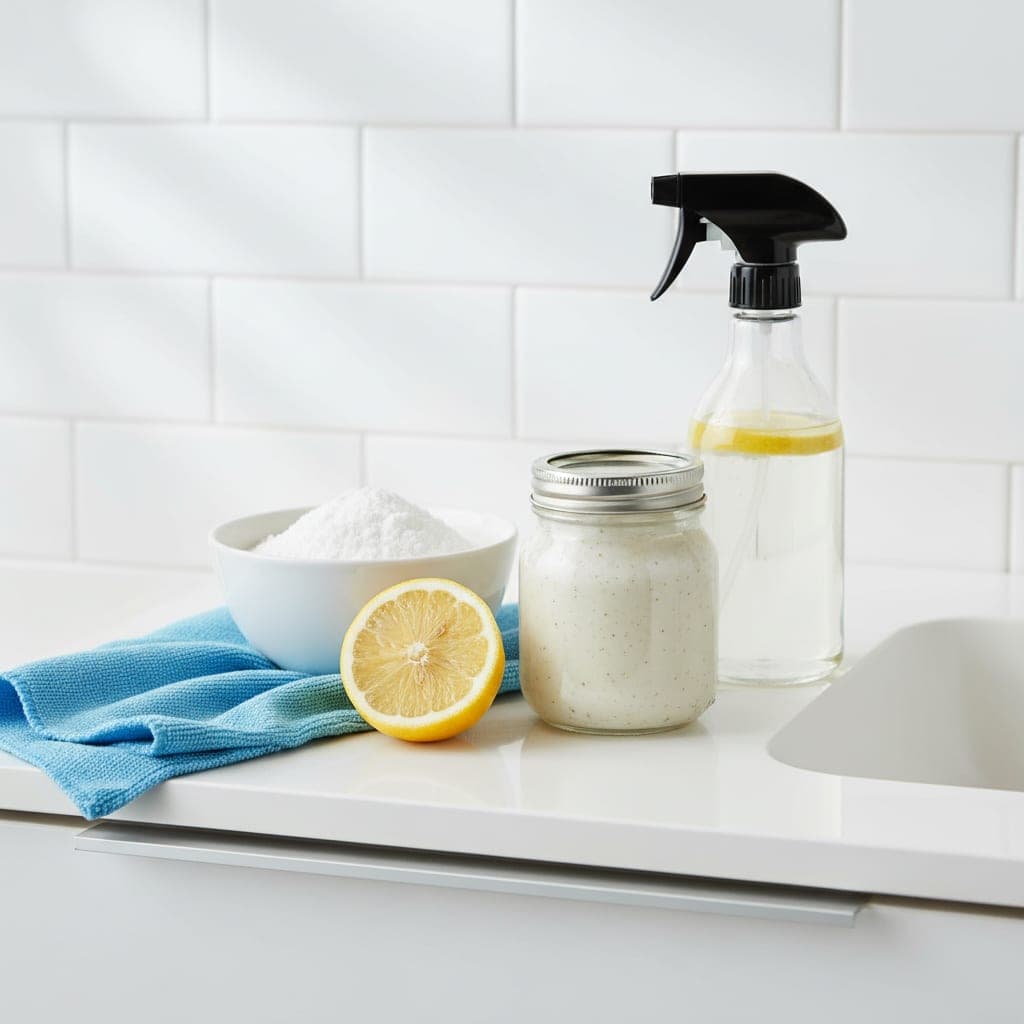
A bathroom can be cleaned entirely with homemade recipes, but only if you match each one to the right problem, because bathroom grime is three different things: mineral scale, soap scum, and mildew. Each needs different chemistry, which is why one all purpose spray disappoints everywhere. Here are eight recipes with exact ratios, where each one shines, and which jobs still deserve a commercial product.
Jump to a section
- What you'll need
- Step-by-step
- Daily shower spray that ends the weekend scrubbing session
- Heated vinegar and Dawn soap scum remover
- Baking soda and peroxide grout whitening paste
- Fizzing baking soda and vinegar toilet bowl cleaner
- Baking soda and castile soap sink scrubbing paste
- Tea tree oil mold and mildew spray
- Pro tips
- FAQ
What You'll Need
Step-by-Step Instructions
Daily shower spray that ends the weekend scrubbing session
This is the recipe that changed my whole routine, so I am putting it first. In a glass spray bottle combine one cup distilled water, half a cup white vinegar, one teaspoon rubbing alcohol, and 10 drops tea tree oil. Shake it, hang it inside the shower on a suction hook, and after every shower mist the walls, glass, and fixtures top to bottom. It takes about 15 seconds and you do not rinse or wipe. You just leave. The vinegar keeps hard water minerals from hardening onto the glass, the tea tree oil discourages mold spores from settling into the caulk, and the rubbing alcohol helps everything flash dry so you do not trade one film for another. The first week I was skeptical because nothing looks like it is happening. Then I realized three weeks had gone by and I had not scrubbed once. The honest catch: this only works if the surface is already clean when you start. It prevents buildup, it does not remove buildup, so deep clean first, then start misting. Do not use distilled water only as a shortcut and skip the vinegar, the alcohol alone will not stop mineral spotting. One batch runs about two weeks and costs a few cents. I keep a second bottle premixed so I am never tempted to skip a refill. Expect visibly clear glass for weeks and grout that stays pale instead of going gray.
Heated vinegar and Dawn soap scum remover
This is the recipe everyone online swears by, and I nearly wrote it off before I learned the one detail that makes it work. Heat one cup of white vinegar in the microwave for about 30 seconds until it is warm, not boiling. Pour it into a spray bottle and add one cup of Dawn dish soap. Swirl gently so you do not whip up a bottle of foam. Spray it thick onto soap scum on glass doors, tile, and the tub surround, then walk away for 15 minutes. The warm vinegar softens the mineral crust while the dish soap surfactants dissolve the body oil and shampoo film cemented into it. Wipe with a non scratch sponge and rinse warm. My first attempt used cold vinegar straight from the pantry and the result was mediocre, barely better than plain soap. I almost dismissed the whole hack. Warming the vinegar was the difference between disappointing and genuinely impressive. On months of neglected buildup on my shower door it cleared it in a single pass, which my old commercial cleaner never did cleanly. For thick buildup, give it a second coat and 30 minutes. Two warnings. Do not use this on natural stone, the acid etches it. And make it in small batches because the Dawn separates and loses punch after a couple of weeks. Expect glass that squeaks when you drag a finger across it.
Baking soda and peroxide grout whitening paste
Grout is where a bathroom either looks clean or looks tired, and this paste is what I use on it. Mix half a cup of baking soda with about three tablespoons of 3 percent hydrogen peroxide until you get a thick spreadable paste, roughly toothpaste consistency. Add five drops of lemon oil if you want the room to smell bright, though that is cosmetic. Push the paste into the grout lines with an old toothbrush, working it in with short back and forth strokes so it actually seats into the porous surface rather than sitting on top. Let it sit 20 minutes for light staining, or spread it before bed and leave it overnight for grout that has gone properly gray. Scrub again and rinse with warm water. The peroxide lifts organic and mildew staining without the eye watering fumes of chlorine bleach, and the baking soda gives you gentle grit. Honest limits: peroxide brightens organic stains beautifully but it will not restore grout that is physically worn or permanently dyed by years of dirt. Mine came back about 80 percent of the way, which looked dramatically better but not brand new. Do a test patch on colored or epoxy grout first, since peroxide can lighten pigmented grout. After it dries fully, a coat of grout sealer keeps the result from vanishing in a month. Expect a clean, even tone rather than a bleached fake white.
Fizzing baking soda and vinegar toilet bowl cleaner
This is the least glamorous recipe and one of the most reliable. Sprinkle half a cup of baking soda around the bowl, aiming for under the rim and down the sides, not just the water. Pour in one cup of white vinegar slowly and let it foam for about 10 minutes. That fizz is the two ingredients neutralizing each other, which sounds like it would cancel out the cleaning, but the mechanical agitation plus the mild abrasion is what loosens the ring and the film below the waterline. After it settles, scrub with the toilet brush, paying attention to the rim jets and the waterline ring where mineral deposits concentrate. Flush to rinse. If you want more deodorizing and antibacterial help, add 10 drops of tea tree oil right before you scrub. It is safe for septic systems and standard plumbing, and there are no fumes to drive you out of a small windowless bathroom. The honest truth about this one: on a genuine hard water ring that has calcified over months, the fizz alone will not remove it. For that I let straight vinegar sit against the ring for a few hours first (a vinegar soaked paper towel pressed to the stain works), then do the baking soda scrub. For routine weekly cleaning it is plenty. Never add bleach or any bleach based cleaner to this, the combination produces dangerous gas. Expect a fresh bowl and a faded ring, with tough mineral rings needing the longer vinegar soak.
Baking soda and castile soap sink scrubbing paste
Sinks get grimy in ways you stop noticing, so this is a gentle paste I use twice a week. Combine three tablespoons of baking soda with one tablespoon of unscented castile soap into a soft paste. Add five drops of lavender or peppermint oil if you like. Scoop it onto a damp sponge and scrub the basin, the faucet base, the drain ring, and the handles in small circles. The two spots people always miss: the overflow hole near the rim, which stays damp and grows a surprising amount of gunk, and the seam where the faucet meets the counter, where toothpaste splatter and mineral crust build up invisibly. An old toothbrush gets into both. Rinse warm and buff dry with a microfiber cloth, because drying is what actually prevents the water spots that make a sink look dirty an hour after you cleaned it. This paste is safe on porcelain, ceramic, and stainless steel, and it is mild enough it will not scratch a glossy finish, which is where a gritty commercial powder can leave you with fine swirl marks. My one caution: mix it fresh each time or in tiny amounts, because castile soap and baking soda stiffen into a dried lump within a day or two in a jar. Expect a sink that feels genuinely clean under your fingers, not just looks it, and stays spot free far longer thanks to the drying step.
Tea tree oil mold and mildew spray
For the black speckling that shows up in caulk and grout, this is the recipe I reach for. In a dark amber glass bottle mix two cups of distilled water, two tablespoons of tea tree oil, and one tablespoon of white vinegar. The dark glass matters because light degrades the oil and weakens it over a few weeks. Shake hard before every use since oil and water refuse to stay mixed. Spray it directly onto visible mold on caulk, grout, ceiling corners, and window sills, then, and this is the part people get wrong, do not wipe it off. Let it dry on the surface. The tea tree compounds keep working as it dries and for hours after, which is the whole point. For early or light mold this genuinely works, and it does it without the bleach smell that lingers in a closed bathroom. Here is where I have to be honest, because the popular version of this hack oversells it. On established, deeply set mold, the tea tree spray is slow and only partly effective. What finally worked for me on a stubborn patch was cleaning the caulk mechanically first, drying it, then using the spray as ongoing maintenance. If mold keeps returning, the real problem is moisture and ventilation, not your spray. And if mold covers more than about 10 square feet or is coming from behind the wall, stop and call a remediation pro. Keep this away from cats, tea tree oil is toxic to them.
Alcohol and vinegar glass and mirror cleaner
Shower glass and mirrors have a specific problem, a mix of hard water haze, soap film, and humidity, so they get their own recipe. Combine one cup of rubbing alcohol, one cup of distilled water, and one tablespoon of white vinegar in a spray bottle. Spray it generously and wipe with a lint free microfiber cloth in straight vertical strokes from the top down, not circles, which just push streaks around. The alcohol flashes off fast so minerals do not have time to crystallize into spots, and the vinegar cuts the cloudy film that makes shower glass look permanently foggy. It also does mirrors, chrome, and glass shelves. For heavy hard water haze that has built up over weeks, let it dwell five to ten minutes before wiping so the vinegar has time to work. The single detail that fixed my streaking: it has to be distilled water. I spent two weeks blaming my technique for faint spots on the mirror before I realized my tap water was leaving mineral residue as it dried. Switching to distilled solved it instantly. A cheap paper towel also sheds lint and leaves you chasing fuzz, so use an actual glass cloth. Expect genuinely clear glass with no film, and mirrors that do not fog back up with residue the next morning.
Vinegar and castile soap tile floor mopping solution
The last recipe is for the floor, and it is the simplest. Add half a cup of white vinegar and two tablespoons of castile soap to one gallon of warm water. Dip a flat microfiber mop, wring it until it is just damp rather than dripping, and mop from the far corner back toward the door so you are not walking across what you just cleaned. The vinegar handles mineral film and the castile soap lifts body oil and the general grime that settles on a bathroom floor. Two things I learned the hard way. First, do not use this on natural stone tile such as marble or travertine, because the vinegar will etch and dull the polish permanently. For stone, drop the vinegar entirely and just use extra castile soap in the water with a few drops of lemon oil. I once used a vinegar cleaner on a stone countertop out of carelessness and left a dull mark, which is why I now label every bottle with the surfaces to avoid, not just the contents. Second, wring the mop far more than feels necessary, since standing water seeps into grout lines and loosens them over time. The payoff over commercial floor cleaner is that castile soap rinses clean instead of leaving the faintly tacky film that makes floors attract dirt again. Expect a floor that stays clean between moppings rather than one that feels sticky underfoot by the next day.
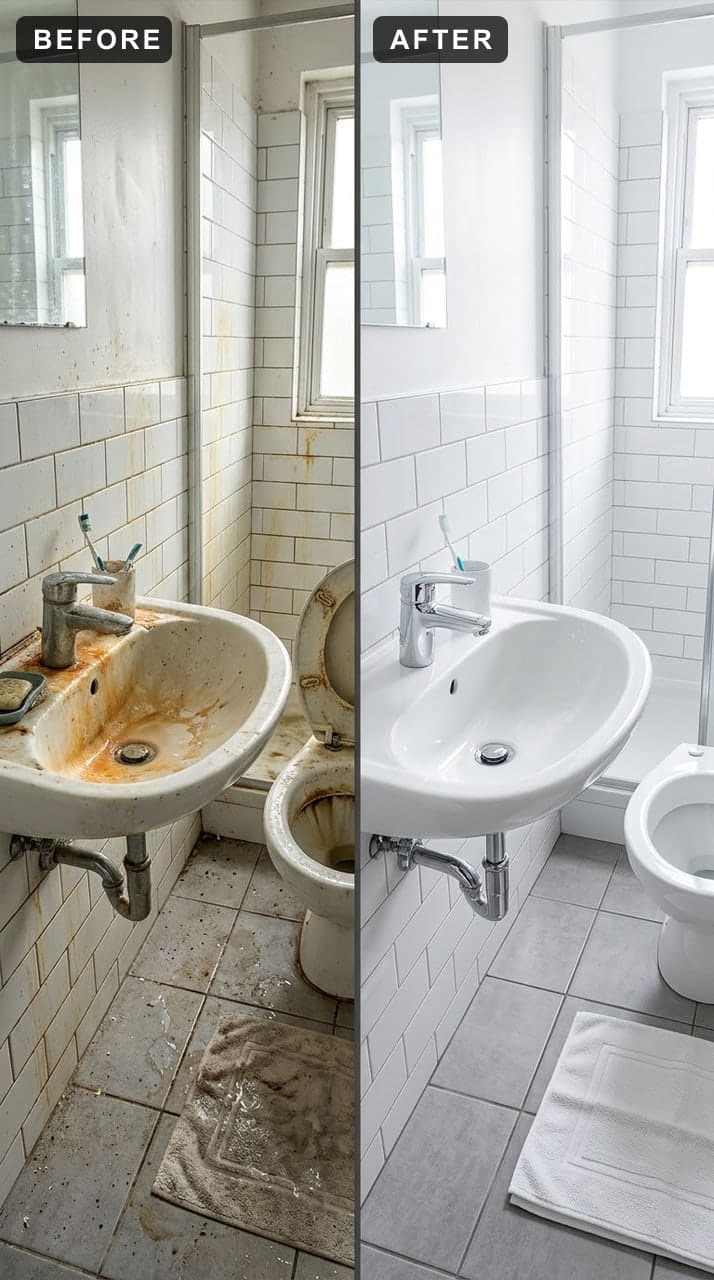
What the difference looks like
Pro Tips
- Buy distilled water by the gallon. Almost every streak and spot problem I blamed on technique turned out to be mineral residue from tap water in my glass and mirror sprays.
- Use glass bottles for anything with essential oil in it. I left a tea tree blend in a plastic bottle and the scent and potency faded within ten days as the oil attacked the plastic.
- Make small batches. Three of my sprays lost noticeable strength by week three, and the Dawn ones separate. Four cups is the most I mix at once now.
- Label every bottle with the surfaces to avoid, not just what is inside. That one habit is what stopped me from ruining a stone counter a second time.
- Warm the vinegar for the soap scum remover. Cold vinegar made that recipe feel useless, and 30 seconds in the microwave made it genuinely impressive.
- A good DIY spray keeps mildew at bay, but once it roots into silicone caulk you need a targeted fix. Follow how to remove mold and mildew from bathroom caulk with a bleach-gel poultice.
Frequently Asked Questions
What is the best all purpose homemade bathroom cleaner?
For everyday surfaces, warm white vinegar mixed with an equal amount of Dawn dish soap is the most versatile thing I made. It handles soap scum, hard water film, and general grime on porcelain, ceramic, glass, and chrome. The only place it does not belong is natural stone, where the acid etches the finish.
Can you actually clean and disinfect a bathroom without commercial chemicals?
For cleaning and deodorizing, yes, easily. Vinegar, baking soda, peroxide, castile soap, and tea tree oil covered nearly everything I needed for a month. Disinfecting is more nuanced. These ingredients reduce germs and tea tree oil is a real antifungal, but if you need hospital grade disinfection during illness, a registered disinfectant used as directed is the honest choice.
Why is my homemade glass cleaner leaving streaks and spots?
Almost always the water. Tap water carries minerals that dry into spots no matter how well you wipe. Switch to distilled water, wipe with an actual lint free glass cloth instead of paper towels, and use straight vertical strokes. That combination fixed my streaking completely after two weeks of blaming myself.
Does the tea tree oil mold spray really work?
On early or light mold, yes, and you leave it on rather than wiping it off so it keeps working as it dries. On old, deeply set mold it is slow and only partly effective. What worked for me was cleaning the mold off mechanically first, then using the spray as maintenance. Recurring mold is a ventilation problem, and large infestations need a professional.
Is vinegar safe on every bathroom surface?
No. Vinegar is fine on porcelain, ceramic tile, glass, chrome, and stainless steel. Keep it off natural stone like marble, granite, and travertine because the acid dulls and etches polished stone, and avoid leaving it in prolonged contact with brass or worn metal fixtures. When in doubt, use a castile soap solution instead.
How long do these homemade cleaners last before they go bad?
Shorter than you would hope, which is why I make small batches. The vinegar and alcohol sprays hold up for a few weeks, but anything with dish soap separates and anything with essential oil weakens noticeably by around week three, faster in plastic or clear bottles. Baking soda pastes stiffen within a day or two, so mix those fresh.
How often should I deep clean versus maintain the bathroom?
A full deep clean every one to two weeks is plenty if you keep up with the daily shower spray and a quick sink and mirror wipe every few days. The daily spray is what makes this sustainable, because it stops buildup from ever forming, so each deep clean stays quick instead of turning into an hour of scrubbing.
How this guide was made
This DIY Cleaners guide was researched, written, edited, and published by Fredler Pierre-Louis. The 8 steps below are built around Glass spray bottles (a few, with fine mist nozzles), One dark amber glass bottle for the oil blend and White vinegar (a large jug), and the quantities and dwell times come from published cleaning-chemistry and manufacturer guidance for those materials, not from a controlled trial we ran ourselves. Where a popular version of this hack does not work, or is risky on a particular surface, this 9 min guide says so.
- Checked against manufacturer and materials guidance for the surfaces named.
- Reviewed by a person for chemical safety and surface compatibility before publication.
- Written to explain why a method works, not just to list steps.
- Corrected whenever a reader reports an error or an edge case we missed.
Read our full editorial policy or learn more about the team behind TryCleaningHacks.
Related Cleaning Guides
Safety Notes
- Never mix vinegar, hydrogen peroxide, or rubbing alcohol with bleach or any bleach based cleaner. These combinations release toxic gases. Rinse a surface fully and let it dry before switching between a homemade cleaner and any bleach product.
- Run the exhaust fan or open a window while you clean, especially in a small windowless bathroom. Even vinegar and alcohol fumes are unpleasant to breathe in a closed space.
- Wear gloves for grout and mold scrubbing. Repeated contact with peroxide paste and prolonged wet cleaning dries and irritates skin.
- Tea tree oil is toxic to cats and can harm dogs. Keep the spray sealed, wipe up any pooled product, and let treated surfaces dry completely before pets have access to the room.
- Store hydrogen peroxide in its original opaque bottle away from light, and never store homemade cleaners in old food or drink containers where someone could mistake them for something safe to consume.
You might also like
10 DIY All-Natural Cleaning Sprays You Can Make at Home
Homemade cleaning sprays range from genuinely better than the commercial equivalent to actively counterproductive, and the difference comes down to chemistry rather than effort. Here are the recipes worth making from pantry staples, the exact ratios, which ones out-perform the bottle they replace, and the popular formula that cancels itself out in the mixing bowl.