

Best Cabinet Colors to Hide Fingerprints and Dust
After repainting our kitchen cabinets twice in three years first a choice that showed every fingerprint within hours, then a shade that didn't the daily maintenance difference between those two decisions was obvious. Here's what the real test revealed.
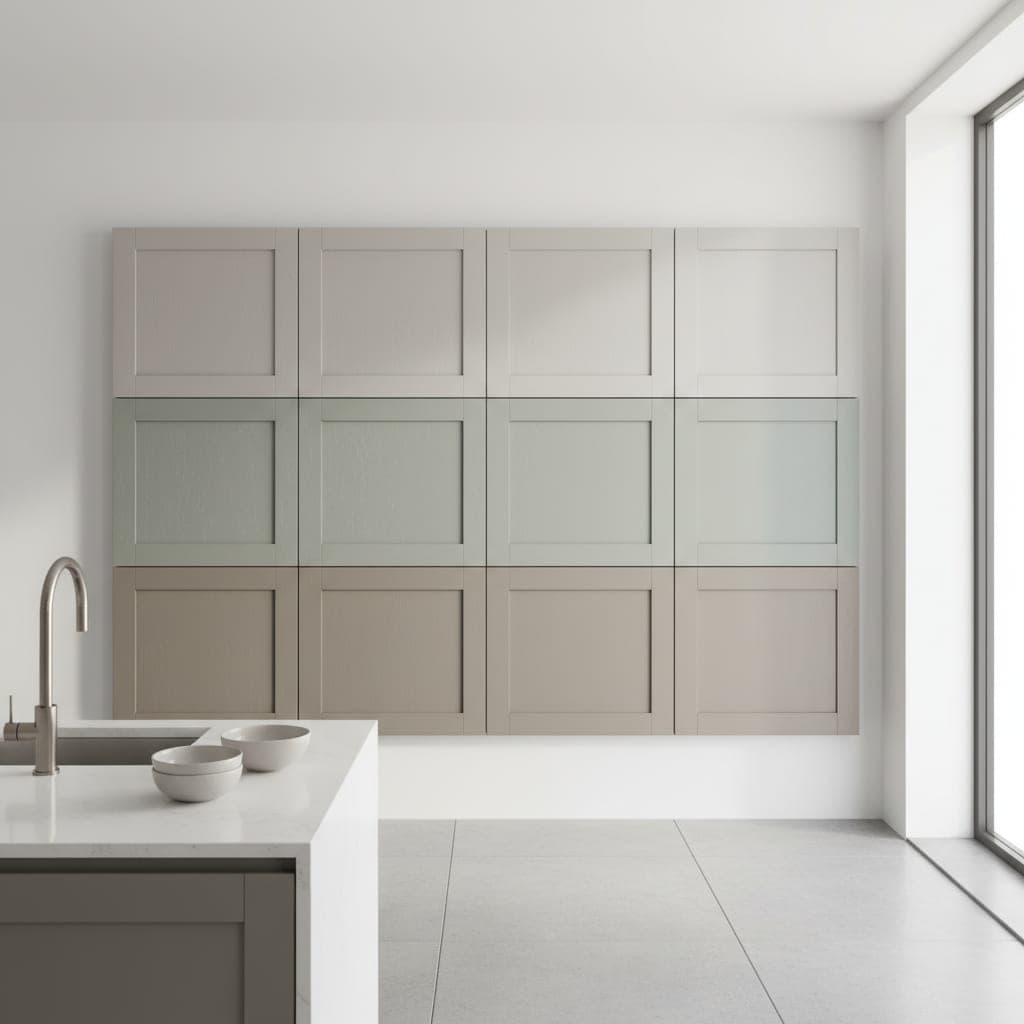
Jump to a section
What You'll Need
Step-by-Step Instructions
Understand cabinet smudge contrast
Kitchen cabinets get touched dozens of times every day opening, closing, reaching for handles, brushing past while cooking which means fingerprint oils, cooking grease, and airborne dust accumulate on their surfaces faster than almost any other painted area in the home. Fingerprint and smudge visibility is driven by contrast between the transparent oil film left by your fingers and the color of the cabinet surface beneath it. On flat bright white cabinets, finger oils create subtle dark smudge marks that stand out in angled light. On deep black or navy cabinets, the same oils create visible lighter patches. Mid-tone muted colors in the warm neutral range are the most forgiving because they minimize the contrast between clean surface and touched surface, making daily finger contact essentially invisible under normal kitchen lighting. This principle matters most on lower cabinets and drawers at hip and hand height where contact is constant and unavoidable.
Choose soft greige for all-purpose kitchens
Soft greige is one of the most versatile and practical cabinet colors for families and busy cooks because it handles every type of daily kitchen wear fingerprints, cooking splatter, dust film, and minor scuffs without showing obvious marks. The balanced blend of gray and beige undertones makes greige cabinets work with practically any countertop material, from white quartz to butcher block to dark granite, which means you are unlikely to regret the choice if you change countertops or hardware later. In kitchens with mixed lighting overhead cans, under-cabinet LEDs, and natural window light greige stays visually consistent without shifting warm or cool the way pure gray or pure beige can. When choosing a specific greige shade, lean slightly warmer rather than cooler for kitchen cabinets since warm tones hide the yellowish tint of cooking oil residue better than cool tones do. Popular greige shades for cabinets include Sherwin-Williams Agreeable Gray and Benjamin Moore Revere Pewter both have warm enough undertones to absorb daily kitchen grime without looking dingy over time.
Use muted olive or sage in high-touch zones
Muted olive and sage greens have become increasingly popular for kitchen cabinets, and beyond aesthetics, they offer excellent practical performance for hiding daily smudges. The subtle gray-green undertone of these colors breaks up the visual pattern of fingerprints in a way that pure neutrals sometimes cannot oils and smudges essentially disappear into the color's complexity rather than standing out as a contrast mark. Lower cabinets and pantry doors benefit the most from these colors because they sit at hand and hip height where contact is most frequent, especially from children. Muted olive works particularly well in kitchens with warm wood flooring and brass or matte gold hardware. Sage pairs beautifully with chrome, brushed nickel, and marble countertops. In both cases, choose shades described as dusty, muted, or desaturated avoid vivid or saturated greens that would create contrast with smudges rather than absorbing them.
Try mushroom taupe for family kitchens
Mushroom taupe is a warm brown-gray that ranks among the most forgiving cabinet colors for households with children, heavy cooking schedules, or both. Its depth falls right in the mid-tone range where everyday fingerprints, smudges from sticky hands, and light cooking splatter become nearly invisible under normal lighting conditions. Unlike cooler grays that can show greasy handprints as shiny patches, mushroom taupe absorbs these marks into its warm undertone without creating noticeable contrast. This color also ages gracefully it does not yellow over time the way light creams and whites can, and it does not show the fading or chalking that dark colors develop with sun exposure. Mushroom taupe pairs naturally with both warm and cool accent colors, making it easy to update kitchen decor without repainting cabinets. For best results, pair mushroom taupe cabinets with satin or eggshell finish and oil-rubbed bronze or matte black hardware for a timeless, maintenance-friendly kitchen.
Avoid high-gloss dark cabinet paint
Glossy navy, black, charcoal, and deep espresso cabinets can look absolutely stunning in design magazines and showroom kitchens, but they present serious everyday maintenance challenges in a real working kitchen. High-gloss finishes act like mirrors they reflect light in a way that makes every fingerprint, water spot, grease splatter, and dust particle clearly visible from across the room. Dark colors compound this problem because both oily smudges and light-colored dust create high contrast against the dark surface. If you love the look of darker cabinets, choose a matte or satin finish instead of gloss to reduce the reflective effect that highlights marks. Installing cabinet handles and pulls also helps significantly because they give hands a target that keeps fingers off the flat door face where smudges show most. Reserve high-gloss dark finishes for display cabinets behind glass that do not get touched daily rather than the working zones around the sink and stove.
Pick the right finish level
Cabinet paint finish plays an equal role to color in determining how clean your kitchen looks day to day. Full gloss reflects the most light and shows the most marks every fingerprint, every wipe streak, and every settled dust particle gets highlighted by the reflective surface. Semi-gloss is marginally better but still shows marks in angled light. Satin finish hits the practical sweet spot for kitchen cabinets because it provides enough sheen to wipe clean easily with a damp cloth while scattering light enough to hide minor smudges and wipe streaks between cleanings. Eggshell is even more forgiving visually but slightly harder to clean than satin. Flat and matte finishes hide imperfections best but can stain permanently and are difficult to wipe without leaving visible marks, which makes them poor choices for kitchen cabinets that need frequent cleaning. For most households, satin or soft-sheen finishes offer the best balance between cleanability and visual forgiveness.
Test sample doors before full repaint
The single most important step before committing to a full cabinet repaint is testing your chosen color and finish on sample boards placed in the actual kitchen environment for several days. Paint two sample boards one in your top color choice and one in your backup and position them near the sink and cooktop, the two areas where cabinets accumulate the most fingerprints, splatter, and grease film. Use the kitchen normally for three to five days without cleaning the sample boards. At the end of the testing period, evaluate how each sample looks under your morning natural light and evening artificial light. The color that still looks acceptably clean without wiping is the right choice. Then test how each responds to a quick wipe with a damp microfiber cloth the one that cleans up without leaving visible shiny patches or wipe streaks is the winner for long-term daily maintenance. This test costs almost nothing but prevents expensive regrets. If you are repainting over an existing dark or bold color, budget for a bonding primer coat to ensure the new mid-tone shade covers evenly without the old color bleeding through.
What repainting kitchen cabinets twice revealed about fingerprint visibility
When we painted our lower kitchen cabinets bright white the first time, they looked exceptional for approximately 36 hours. By the end of the second day, every drawer pull area and cabinet door edge showed visible marks from normal cooking and daily use. We went from cleaning cabinets occasionally to wiping them down daily sometimes twice. The lower cabinets, which sit at hip-to-hand height and get touched constantly while cooking, unloading groceries, and reaching for cookware, became a persistent daily maintenance task. Eighteen months later, we repainted in a warm soft greige not a pure neutral gray, but one with a warm undertone and the change was immediate. The same areas, contacted by the same family in the same kitchen, needed wiping twice a week instead of daily. The fingerprint oils themselves were identical; only the visual contrast between those oils and the paint color had changed. Mid-tone warm neutrals absorb the visual impact of skin-tone-colored oils in a way that bright white and stark surfaces cannot. The satin finish was the second key finding: we had used eggshell the first time, which left streaky marks when we tried to clean the surface, making the cabinets look dirty in a different way. Satin cleaned completely with a single dry microfiber pass and showed no wipe marks afterward.
Cabinet color and finish mistakes that guarantee constant daily maintenance
Mistake one: choosing bright white for lower cabinet doors. Lower cabinets sit at hip and hand height and get touched dozens of times every day during normal kitchen use. The same white applied to upper cabinets touched far less frequently performs reasonably. But lower cabinets in constant hand contact need smudge-forgiving colors regardless of how much you love white in the space. If white is non-negotiable, install hardware on every door and drawer so fingers target pulls instead of the painted face. Mistake two: choosing full-gloss finish for any cabinet surface that receives frequent hand contact. Gloss reflects light like a mirror, making fingerprint oils and cooking grease immediately prominent under kitchen lighting. The same color in satin finish makes both fingerprints and cleaning wipe marks significantly less visible. Mistake three: not testing a sample door in the actual kitchen for several days before a full repaint. Cabinet colors look completely different on a small swatch versus full doors in your kitchen's specific lighting. Paint a sample board and prop it against a base cabinet for three to five days without cleaning it. The color that still looks acceptable after several days of real use is the one that will serve you long-term. Mistake four: painting over a dark or bold color without a bonding primer. Mid-tone warm neutrals applied over navy, espresso, or forest green without proper bonding primer result in bleed-through the darker color shows inconsistently across the door face, and inconsistent surface color shows dust and marks differently under different light.
Pro Tips
- Mid-tone muted shades hide daily cabinet smudges best.
- Satin finish usually offers the best balance of cleanability and low streaking.
- Install pulls/handles to reduce direct hand contact on painted surfaces.
Frequently Asked Questions
What cabinet color hides fingerprints best?
Soft greige, muted sage, and mushroom taupe are usually top performers because they reduce contrast with oils, dust, and small smudges.
Are white cabinets hard to keep clean-looking?
Bright white can show fingerprints and dust quickly in high-touch areas. Softer off-whites and warm greiges are usually easier to maintain visually.
What cabinet finish is best to hide marks?
Satin is often the most practical choice because it wipes clean well while avoiding the high-reflection effect that makes smudges stand out on gloss finishes.
How this guide was made
This Paint Colors guide was researched, written, edited, and published by Fredler Pierre-Louis. The 9 steps below are built around Cabinet color chips, Sample door cards and Satin finish sample, and the quantities and dwell times come from published cleaning-chemistry and manufacturer guidance for those materials, not from a controlled trial we ran ourselves. Where a popular version of this hack does not work, or is risky on a particular surface, this 8 min guide says so.
- Checked against manufacturer and materials guidance for the surfaces named.
- Reviewed by a person for chemical safety and surface compatibility before publication.
- Written to explain why a method works, not just to list steps.
- Corrected whenever a reader reports an error or an edge case we missed.
Read our full editorial policy or learn more about the team behind TryCleaningHacks.
Related Cleaning Guides
Safety Notes
- Use low-VOC paint for indoor cabinet projects.
- Allow full cure time before heavy cleaning to avoid finish damage.
- Use proper respirator and ventilation when sanding old cabinet coatings.
You might also like
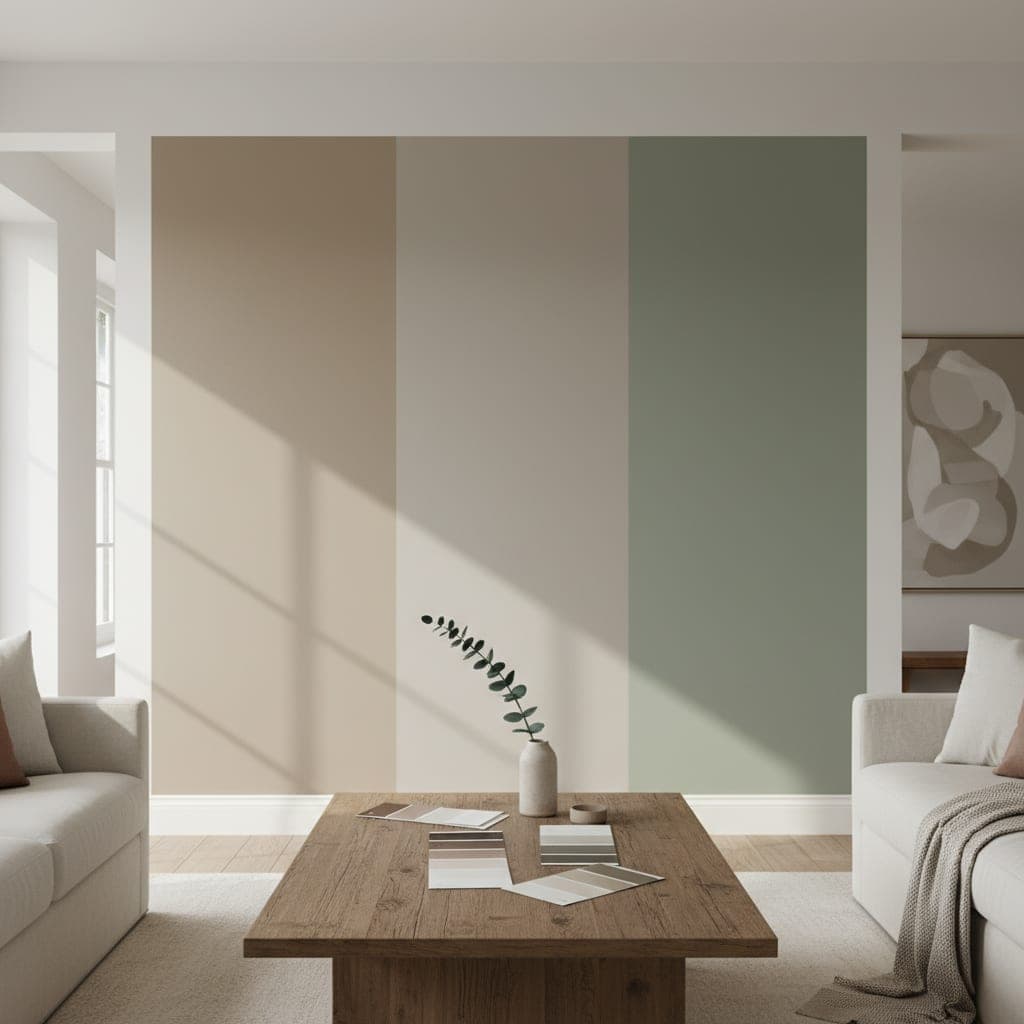
Best Paint Colors to Make Your House Look Less Dusty
After painting four rooms in different shades over three moves, the difference in how fast each wall showed dust was one of the most practical decorating lessons I've learned. Here's what the real-world testing revealed.
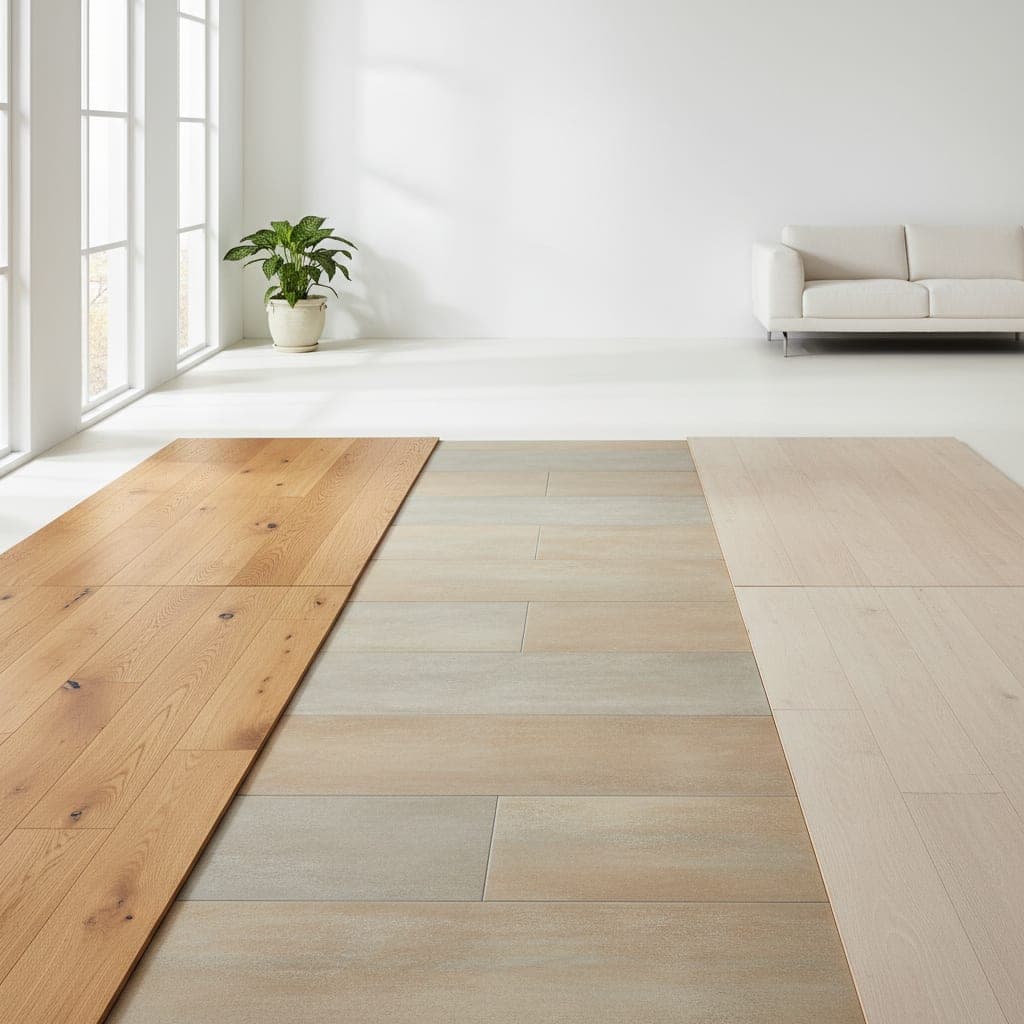
Best Floor Colors to Hide Dust and Dirt (and the Ones That Show Everything)
Two homes can be swept exactly the same number of times a week and only one of them looks it. That is usually the floor, not the sweeping. Some colors and finishes hold onto every crumb and footprint in plain sight, and others let a fortnight of ordinary life pass without anyone noticing. If you are choosing a floor, or stuck with one that shows everything, here is what actually drives visible dust, the honest trade-offs, and the sample test that tells you more in a week than any showroom visit.