

Best Paint Colors to Make Your House Look Less Dusty
After painting four rooms in different shades over three moves, the difference in how fast each wall showed dust was one of the most practical decorating lessons I've learned. Here's what the real-world testing revealed.
Jump to a section
What You'll Need
Step-by-Step Instructions
Understand why some colors show dust more
Dust visibility is driven almost entirely by contrast between the particle color and the wall color behind it. Household dust is a mix of skin cells, fabric fibers, pollen, and fine soil most of it lands in the gray-to-tan range. Bright white walls create maximum contrast with these gray particles, so even a thin film of settled dust looks like a visible shadow. Very dark walls have the opposite problem pale lint, pet hair, and light-colored dust stand out sharply against deep tones. The solution is choosing mid-tone colors that sit close to the natural color of dust itself, reducing contrast so particles blend in rather than stand out. Understanding this principle is the foundation of every color choice that follows.
Pick warm greige for living areas
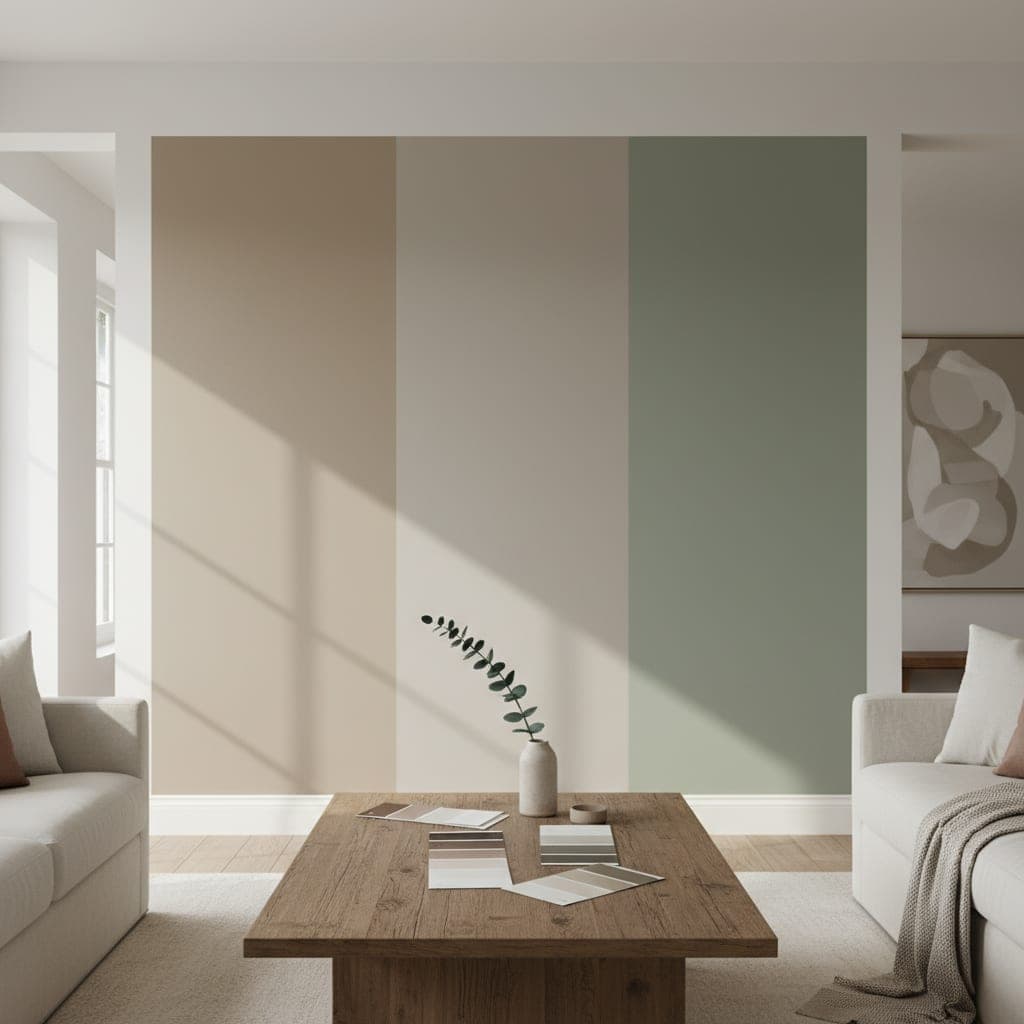
Warm greige a balanced blend of beige and gray is consistently one of the best wall colors for hiding everyday dust. It sits right in the middle of the warm-cool spectrum, which means it absorbs the visual impact of both gray dust and tan-toned dirt without creating contrast. In living rooms and family areas where foot traffic stirs up airborne particles daily, greige walls stay looking clean significantly longer between dustings. Pair greige walls with an eggshell or satin finish to make occasional wipe-downs easy without leaving shiny patches. Popular greige shades from major paint brands include Sherwin-Williams Agreeable Gray, Benjamin Moore Revere Pewter, and Behr Silver Drop. Test at least two on your walls because undertones shift dramatically based on the specific natural and artificial light in your space.
Use soft taupe in hallways and entry zones
Hallways and entryways accumulate dust faster than almost any other area in the home because air moves through them constantly, carrying particles from every connected room. Soft taupe is an excellent choice for these high-traffic zones because its warm brown undertone masks the dirt and dust that gets stirred up by foot traffic, door openings, and HVAC airflow. Unlike pure white, which shows fingerprints and scuff marks instantly, taupe hides minor wall contact and dusty handprints remarkably well. In narrow hallways especially, taupe also makes the space feel warmer and more intentional compared to plain beige or white. For best results, choose a taupe with a slight gray lean rather than yellow lean the gray component absorbs dust shadows more effectively. Apply in satin finish for hallways since these walls get brushed against frequently and need to withstand occasional spot cleaning.
Choose muted sage for calm, low-contrast finish
Muted sage green is a surprisingly effective dust-hiding color that also brings a calming, organic feeling to bedrooms, home offices, and reading nooks. The green-gray undertone of true muted sage sits close enough to common dust tones that fine particles essentially disappear against it under normal lighting conditions. Sage works especially well near wooden trim and shelving, where dust tends to settle along horizontal edges and become visible against stark white backgrounds. Because sage has a slight warmth to it, it pairs naturally with wood furniture, linen textiles, and neutral carpeting without clashing. Avoid saturated or bright greens, which can make dust stand out by creating a strong color contrast similar to what dark walls do. Instead, look for sage shades described as dusty, muted, or washed terms that literally describe colors designed to reduce visual impact of surface particles.
Avoid pure white and jet black for dust-prone homes
If dust is a persistent issue in your home from pets, high traffic, nearby construction, or dry climate avoiding the extreme ends of the color spectrum on large wall surfaces will make the biggest difference. Ultra-bright whites show gray dust shadows within hours of dusting, especially on walls that receive angled sunlight that rakes across the surface and highlights every particle. Very dark charcoals, navies, and blacks reveal pale lint, pet hair, and fine dust just as quickly, especially in rooms with overhead lighting that bounces off the wall surface and silhouettes particles. Both extremes also show fingerprints and scuff marks more readily, adding to the neglected appearance. Reserve bright white for ceilings where dust is less visible and dark accent colors for small feature walls that are easy to wipe frequently. For the remaining large wall surfaces, stay within the mid-tone neutral range for the most forgiving everyday performance.
Test samples in morning and evening light
Never commit to a full room of paint based on a swatch card alone the way a color hides dust depends heavily on the specific light conditions in your space. Paint a two-by-two foot sample area on at least two walls, ideally one that gets direct sunlight and one that stays in shadow throughout the day. Observe the samples in morning light, midday sun, and evening artificial light over at least 48 hours. Colors that look perfectly neutral and dust-forgiving at noon can appear noticeably warmer or cooler under LED or incandescent bulbs at night, potentially increasing dust visibility under the lighting you use most. Pay attention to how the color looks under angled raking light the kind that comes through windows late in the day because this is the lighting angle that makes surface dust most visible. This small step prevents expensive mistakes and ensures the color you choose actually hides dust in real conditions, not just showroom conditions.
Select eggshell or satin for easier maintenance
Paint finish matters almost as much as color when it comes to keeping walls looking clean. Flat and matte finishes absorb light evenly, which can hide wall imperfections, but they also trap dust particles in their slightly rough surface texture and show obvious patches when you try to wipe or spot-clean them. Eggshell finish offers a subtle low sheen that is smooth enough for dust to slide off or be removed with a gentle dry microfiber wipe, without reflecting so much light that every wall imperfection becomes visible. Satin finish takes this a step further with slightly more sheen, making it even easier to wipe down but potentially showing more wall texture in strong side light. For most dust-prone homes, eggshell is the sweet spot it hides imperfections reasonably well while still allowing maintenance cleaning without leaving shiny rub marks. Use satin specifically in kitchens, hallways, and kids' rooms where walls get touched and need frequent wiping.
Use trim color one step softer, not stark white
Baseboards, door frames, crown molding, and window trim are dust magnets their horizontal and angled surfaces collect particles faster than flat walls. When trim is painted in stark bright white against a mid-tone wall, the contrast line where wall meets trim creates a visual edge that makes settled dust extremely obvious. Instead of pure white trim, choose a color one to two shades lighter than your wall color. This tonal trim approach keeps the room looking cohesive and polished while dramatically reducing the visible dust line that forms along the top edge of baseboards and around door frames. Off-white shades with a warm undertone like creamy ivory, Swiss coffee, or antique white work well with greige and taupe walls. For sage or green-toned walls, try a trim color with a slight gray-green lean. The goal is harmony between wall and trim so dust does not have a high-contrast stage to stand out against.
What painting four rooms in different shades revealed about dust visibility
The observation that shifted my thinking was watching the same wall under two different lighting conditions: overhead midday light and late-afternoon sun raking through a window at a low angle. Walls that looked fine at noon turned visibly dusty within an hour as the sunlight angle changed and threw even a thin film of settled dust into sharp relief. That raking light test is the most honest evaluator of a paint color's real-world dust performance. The warm greige room I painted in my second apartment was the clearest confirmation: after a full week without dusting, it looked nearly identical to painting day under both morning and evening light. The bright white room in that same apartment looked dusty within 36 to 48 hours of the same hands-off period. The difference was not the amount of dust it was entirely contrast. The trim color was the second practical discovery. I painted one room with warm greige walls and stark bright white trim. The top edge of the baseboard became a visible dust ledge within 72 hours because of the hard contrast boundary it created. Later, painting a similar room with off-white trim just two shades lighter than the wall color made that visual line essentially disappear. The trim collected dust at the same rate the reduced contrast made it invisible at normal viewing distance.
Paint color mistakes that increase visible dust accumulation
Mistake one: choosing paint colors under showroom lighting. Most paint retailers use high-CRI lighting that neutralizes undertones and makes colors look clean and balanced. Warm undertones that appear perfectly neutral in the store can read noticeably yellow or pink under your home's combination of natural and artificial light, shifting how visible dust appears on the surface. Always bring paint samples home and observe them over 48 hours. Mistake two: using flat or matte finish in a high-dust room. Matte absorbs light and hides wall imperfections, but its micro-textured surface traps dust and produces obvious shiny patches when spot-cleaned. For rooms with persistent dust exposure, eggshell is the minimum practical finish. Mistake three: choosing wall color from a small swatch rather than a painted sample at scale. A swatch that reads as warm neutral can appear almost white full-wall because your eye adapts to the dominant tone. Paint a two-foot by two-foot sample and observe it over 48 hours including evenings under artificial light before committing. Mistake four: painting trim a dramatically different tone from walls in dusty rooms. Every baseboard and door frame in a dusty room becomes a visible dust shelf when high contrast exists between trim and wall. Tonal trim one to two shades lighter, not stark white is one of the most practical decisions in a real home that accumulates dust.
Pro Tips
- Best dust-hiding range is usually mid-tone warm neutrals.
- Always test paint colors on real walls before committing.
- Pair dust-friendly color with washable finish for easier upkeep.
- Wall color sets the mood, but the floor shows the most traffic and dust. See the best floor colors to hide dust and dirt so your whole palette works together instead of showing every speck.
Frequently Asked Questions
What paint color hides dust the best?
Mid-tone warm greige is typically the most forgiving for everyday dust because it minimizes contrast between wall color and settled particles.
Do dark walls make dust look worse?
Often yes. Very dark walls can make pale lint and dust stand out quickly, especially in bright daylight or near windows.
Is white paint bad for dusty homes?
Bright white can make gray dust shadows more visible. Softer neutrals like greige, taupe, and muted sage usually stay cleaner-looking longer.
How this guide was made
This Paint Colors guide was researched, written, edited, and published by Fredler Pierre-Louis. The 10 steps below are built around Paint swatches, Sample pots and Foam roller, and the quantities and dwell times come from published cleaning-chemistry and manufacturer guidance for those materials, not from a controlled trial we ran ourselves. Where a popular version of this hack does not work, or is risky on a particular surface, this 9 min guide says so.
- Checked against manufacturer and materials guidance for the surfaces named.
- Reviewed by a person for chemical safety and surface compatibility before publication.
- Written to explain why a method works, not just to list steps.
- Corrected whenever a reader reports an error or an edge case we missed.
Read our full editorial policy or learn more about the team behind TryCleaningHacks.
Related Cleaning Guides
Safety Notes
- Use low-VOC paint and keep rooms ventilated during and after painting.
- Wear a mask while sanding or preparing walls to reduce inhalation of fine dust.
- Keep paint supplies closed and away from children and pets when not in use.
You might also like
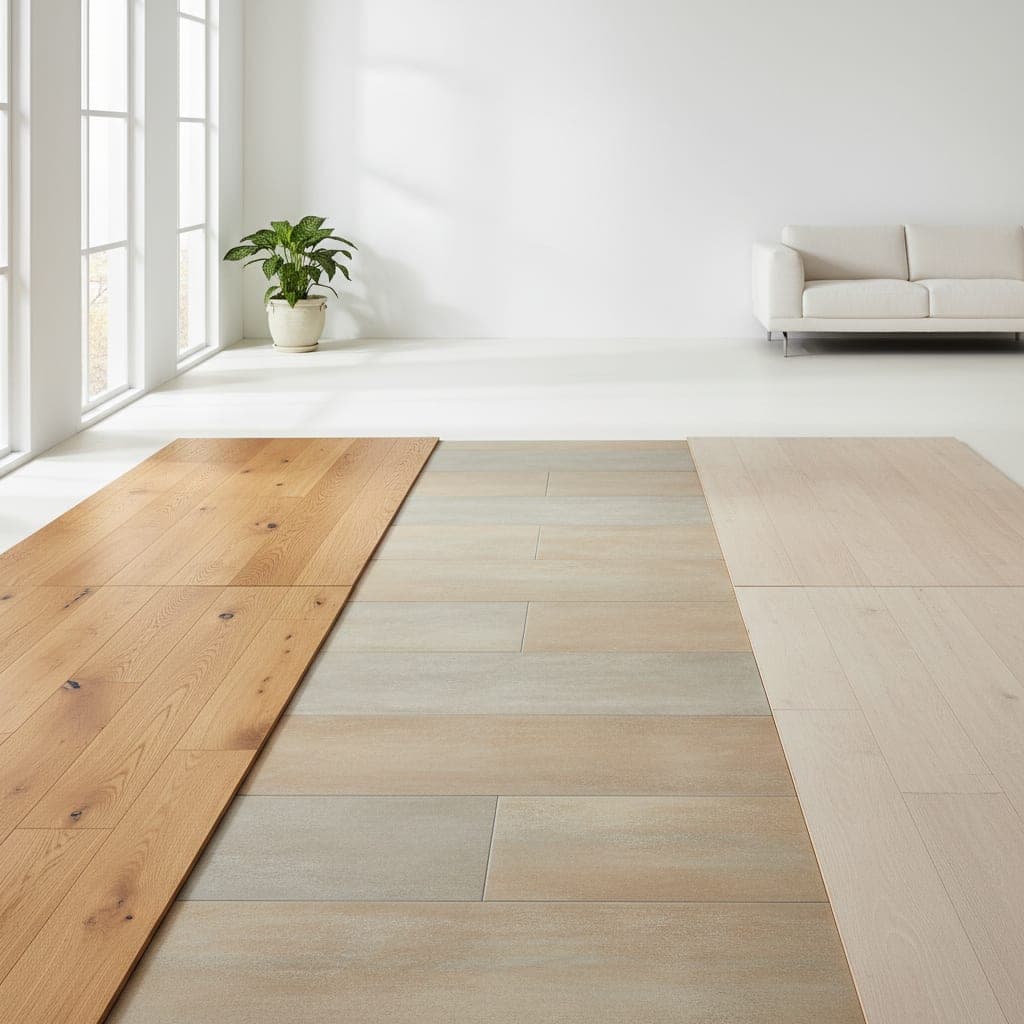
Best Floor Colors to Hide Dust and Dirt (and the Ones That Show Everything)
Two homes can be swept exactly the same number of times a week and only one of them looks it. That is usually the floor, not the sweeping. Some colors and finishes hold onto every crumb and footprint in plain sight, and others let a fortnight of ordinary life pass without anyone noticing. If you are choosing a floor, or stuck with one that shows everything, here is what actually drives visible dust, the honest trade-offs, and the sample test that tells you more in a week than any showroom visit.
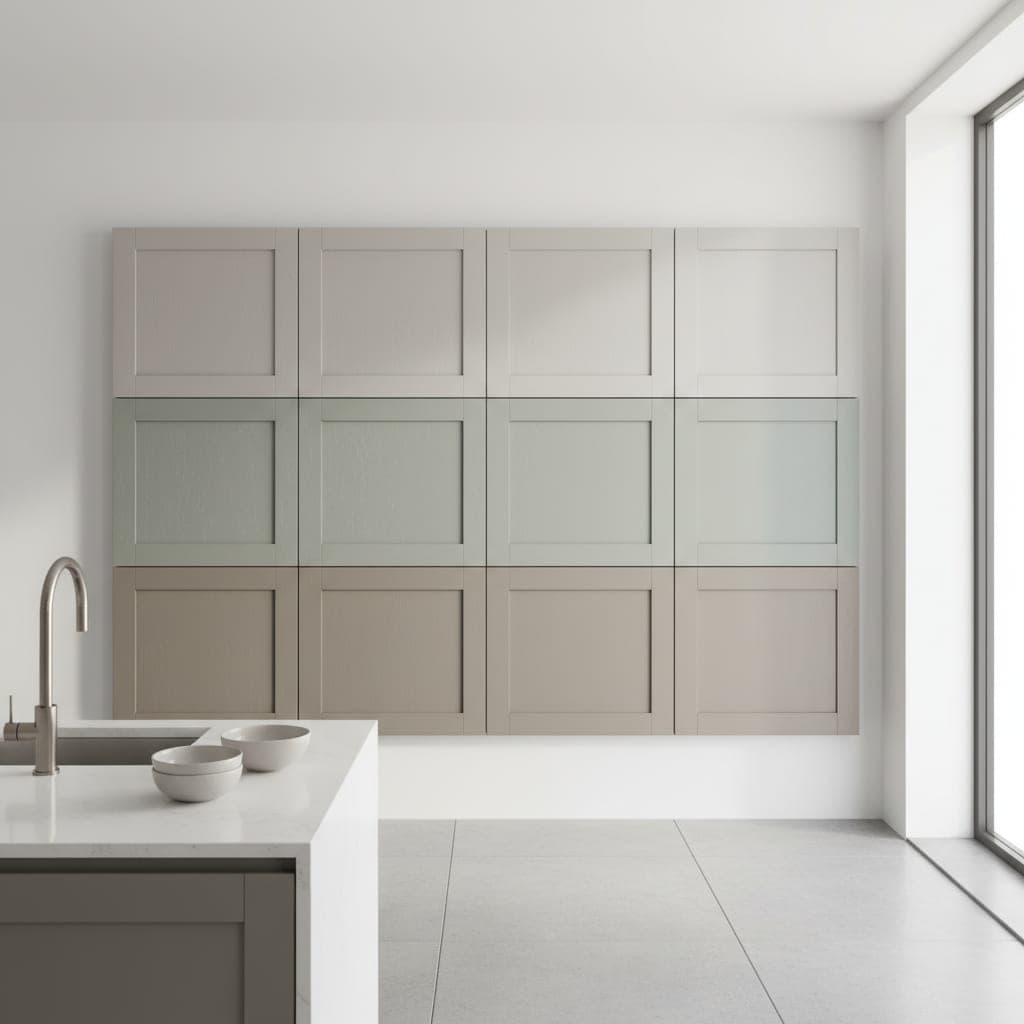
Best Cabinet Colors to Hide Fingerprints and Dust
After repainting our kitchen cabinets twice in three years first a choice that showed every fingerprint within hours, then a shade that didn't the daily maintenance difference between those two decisions was obvious. Here's what the real test revealed.