

18 Quick Cleaning Tasks You Can Do in 5 Minutes or Less
You are already late, the coffee is going cold, and there is a version of you that would happily deal with the counter right now. That version does not have eleven minutes. What follows are tasks that genuinely fit in the gaps of a normal morning, each with the reason it works and the mistake that turns it into a longer job. They are sorted by one rule most morning routines get backwards: do the things you will walk past at six in the evening, not the things that are technically dirtiest.
Jump to a section
- What you'll need
- Step-by-step
- Throw the covers back, make the bed on your way out
- Wipe the bathroom sink while your toothbrush is still in your mouth
- Squeegee the shower walls before you step out
- Run the extractor fan for fifteen minutes after you finish
- Load the dishwasher instead of stacking the sink
- Wipe the counter in the direction of the sink
- Pro tips
- FAQ
What You'll Need
Step-by-Step Instructions
Throw the covers back, make the bed on your way out
A bed carries a surprising amount of moisture by morning, most of it from you, and pulling a duvet flat over it traps that damp in the sheets for the day. Fold the covers back to the foot of the bed while you shower and dress, then make it in ten seconds on your way out of the room. You get the tidy bedroom either way and the bedding gets an hour of air first. The bed is worth doing because it occupies most of the visual field in a bedroom, so it sets how the whole room reads regardless of what else is out. Where people go wrong is treating it as the first job of the day and then rushing it, which produces a lumpy duvet and a job that feels pointless. Straighten the bottom sheet first, then the duvet, then the pillows, in that order. Fixing the layer underneath after the top layer is down means doing it twice.
Wipe the bathroom sink while your toothbrush is still in your mouth
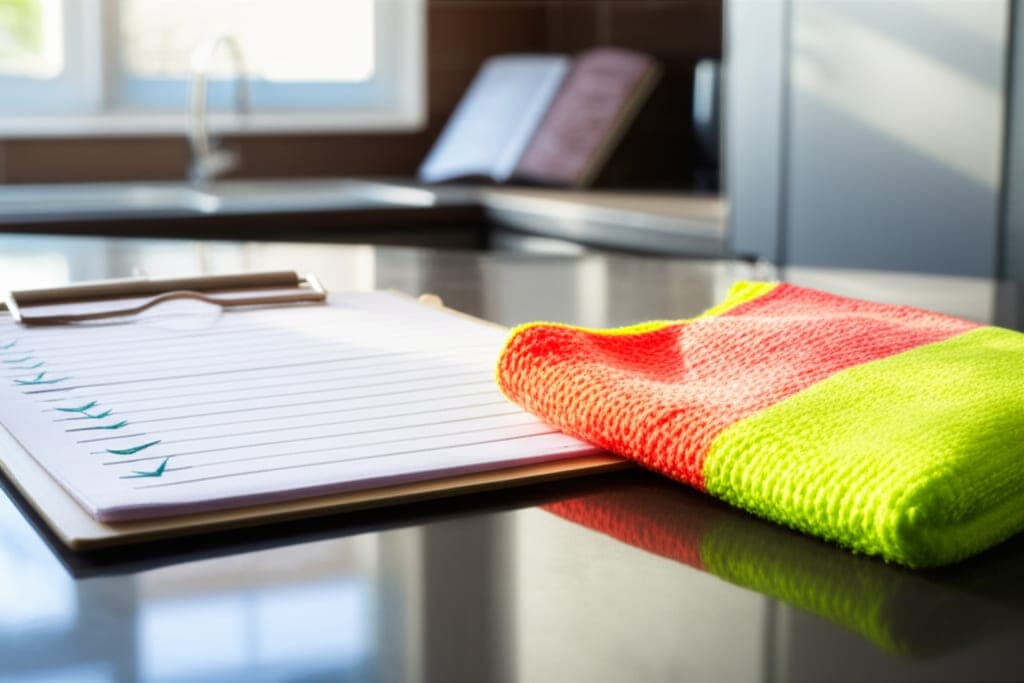
Keep a dry microfiber cloth in the vanity where you can reach it without opening anything. Toothpaste spatter and soap film come off with cloth alone while they are still soft, and need spray and real pressure once they have dried and hardened. That is the whole reason this belongs in the morning rather than on a weekend list. Two spots matter more than the basin itself: the base of the faucet, where limescale starts, and the ring under the soap dispenser, which is the first thing a visitor notices. Twenty seconds covers both. The mistake is using the same cloth for a fortnight, which stops lifting anything and starts spreading it around. Fold the cloth in quarters and turn to a fresh face each day, then send it to the wash after four or five uses. If the sink has gone past the dry wipe stage, a spray bottle of diluted white vinegar under the sink handles limescale without scrubbing, but on most mornings the cloth is enough.
Squeegee the shower walls before you step out
Hard water leaves minerals behind when droplets evaporate, and those deposits are what turn glass cloudy and tile dull. A squeegee removes the water before it can dry, which means there is nothing left to deposit. Drag it top to bottom down the glass and the tiled walls in overlapping passes, roughly forty seconds for a normal enclosure, and finish along the top edge of the tub or tray where water pools. This is the highest return habit in the bathroom because it prevents damage rather than tidying appearances. Everything else on this list makes a room look better; this one stops you needing an acid descaler and half an hour of effort in three months. Keep the squeegee inside the shower on a suction hook, not under the sink. A tool you have to fetch is a tool you will use twice and then abandon.
Run the extractor fan for fifteen minutes after you finish
The fan does more work after you leave than while you are in there, because that is when the room is at its most humid and nobody is adding steam. Humid air has to go somewhere, and if it does not go outside it goes into the grout, the ceiling paint, and the underside of the window frame, which is where mold starts. If your fan has a timer switch, set it and forget it. If it does not, leave the fan running and the door ajar as you head out, then turn it off when you pass by later. A fan choked with dust moves a fraction of the air it should, so it is worth checking once a season: kill the power at the switch, pinch or unscrew the cover, and vacuum the blades and housing. A quiet fan is usually a clean fan, and a noisy one is often just dust.
Load the dishwasher instead of stacking the sink
Same number of trips, same handful of seconds, completely different evening. A stacked sink means every dish gets handled twice, and the counter beside it becomes unusable for anything else, which is how one bowl turns into a kitchen you avoid. Breakfast dishes go straight in, dirty. Do not rinse them first. Modern dishwasher detergent contains enzymes that need food residue to work against, so a pre rinsed load can actually come out worse, and it wastes hot water on top. Scrape solids off, leave the rest. The one thing worth doing properly is loading direction: bowls and cups angled down toward the centre spray, nothing shielding anything else, and no tall item blocking the detergent door. A badly stacked load is the reason people conclude their dishwasher is failing when it is really just being asked to spray around a baking tray.
Wipe the counter in the direction of the sink
One pass with a damp cloth, always pushing crumbs toward the sink rather than working in circles. Circling redistributes crumbs and smears whatever is wet across a wider area; a single directional pass collects and carries. It takes about thirty seconds and it costs no dedicated time at all if you do it while the kettle boils or the toast is down. Start at the back edge where the counter meets the wall or the splashback, because that seam collects more than the open middle and is the bit people wipe last, if at all. Crumbs that end up in the sink go down with the next rinse. Crumbs pushed onto the floor become the gritty patch that item fifteen deals with, so pick a direction and commit to it.
Deal with the coffee maker while it is still warm
Coffee oils turn sticky as they cool and go rancid over a few days, which is why a machine that has never been cleaned makes bitter coffee no matter how good the beans are. A rinse of the basket and carafe while they are warm takes seconds and needs nothing but hot water. The same job cold needs soap, a brush, and actual attention. Pay particular attention to the basket and the underside of the lid, where grounds and oil collect out of sight. A weekly extra worth adding: pull the filter holder right out and rinse the seat it sits in. If you use a pod machine, run one cycle of plain water after the last coffee of the morning to clear the needle and the outlet, which is the part that clogs and the reason a pod machine starts producing half cups.
Wipe one appliance handle a day
Fridge, microwave, oven, dishwasher. Handles collect the greasiest fingerprints in the kitchen and almost never get cleaned deliberately, because they are not surfaces in anyone's mental map of a room. One handle per morning means all four stay clean on a rolling basis and no single day costs you more than fifteen seconds. On stainless steel, wipe along the grain rather than across it, and follow with a dry corner of the cloth, because water left on steel dries as spots and you will have made it look worse. The fridge handle is the one to prioritise if you only do one, since it gets touched more often than any other surface in the kitchen and usually with hands that have just been holding food.
Toss what has expired while you are already in the fridge
You open it for milk anyway. Take the one thing you already know is past it and bin it, then wipe the ring it left on the shelf while the gap is there. Clearing a fridge is unbearable as a dedicated job and trivial as a by product of a trip you were making regardless, which is the entire trick. The door shelves are worth a specific look, because that is where half used sauces go to be forgotten and where the dates are printed on the back of the bottle. If something has separated, smells sharper than it should, or has a lid that has gone tacky, it has answered the question. One caution: do not pour dairy or oily liquids down the sink as a shortcut, because they contribute to the fat build up that causes slow drains and smells later. Bin them sealed.
Take the kitchen bin out at three quarters full
Not full. Three quarters. A crammed bag stretches, tears at the seam, and leaks down the inside of the bin, which turns a one minute job into ten with a bucket and a brush. Bags also become impossible to lift out cleanly once they have molded to the shape of the bin. Keep spare liners in the bottom of the bin itself, underneath the current bag, or taped inside the lid. Liners stored in a cupboard across the room are the single most common reason a bin gets overfilled instead of changed. While the bin is empty, a spray and a wipe of the inside rim takes another twenty seconds and prevents the smell that survives every bag change.
Empty the small bins, not just the obvious one
Bathroom and bedroom bins get overlooked because they never look urgent, and they are usually the source of the faint smell you have stopped noticing in your own home. Nose blindness is real and it works fastest on the rooms you spend most time in. Gather the small ones on your way past the kitchen bin so it is one trip out rather than three, and do it on the same morning each week so it stops being a decision. Bathroom bins in particular benefit from a liner even when they came without one, since they collect damp waste that soaks into the plastic and stays.
Start a load of laundry, but only if you will be home to move it
A machine that finishes while you are out leaves damp clothes sitting in a warm drum for nine hours, which is exactly how a whole load ends up smelling musty and needing rewashing. That is a negative win. If your day is long, load the drum, add the detergent, and leave it ready to start when you walk back in, so the useful part happens at a moment you are actually there. If your machine has a delay timer, set it to finish near your return instead. Two habits stop the machine itself becoming the smell: leave the door and the detergent drawer open after the final load of the day so the seal can dry, and wipe the rubber gasket occasionally, since that fold is where the black marks and the smell live.
Hang towels flat instead of folding them
A folded damp towel dries from the outside in and stays wet in the middle for hours, and that trapped damp is where the sour smell comes from. Spread it over the rail with air reaching both faces and it dries in a fraction of the time. Same three seconds, and you get several more uses before it needs washing. If your rail is short, hang the towel so it drapes rather than doubling it over twice. Towels also stop absorbing if fabric softener has built up on the fibres, which is worth knowing before you conclude a towel has worn out. A wash with no softener usually brings it back.
Straighten the sofa on your way past
Cushions upright, throw folded once over the arm, remotes in one spot. Fifteen seconds. This is the surface that decides whether the living room reads as tidy from the doorway, and none of it is cleaning, which is exactly why it is so efficient. Pick one home for the remotes and phone chargers and use it every time, because the reason living rooms drift is not dirt but small objects with no assigned place. If you have floor cushions or a pet bed, square those up in the same pass. The eye reads alignment as order, and alignment is free.
Sweep the two square feet in front of the sink
Skip the rest of the room. Crumbs and dropped food concentrate in the strip where you stand to prep and wash up, and that patch is what makes a floor feel gritty underfoot even when it looks clean. A dustpan brush over that one area gets most of the benefit of a full sweep in a tenth of the time. The other spot worth thirty seconds is the toe kick under the cabinets, where crumbs collect out of sight and where a brush reaches easily but a vacuum head usually does not. Keep the dustpan brush in the cabinet under the sink so it is a reach away rather than a trip to a cupboard.
Reset the entryway drop zone
Shoes lined up, one hook per bag, post in a single tray. The entryway is the first thing you see when you come home tired, and it sets your read on the whole house before your coat is off, which is why it earns a place in a five minute routine ahead of rooms that are objectively dirtier. It is also the pile that spreads: an entryway with nowhere to put things starts colonising the hallway, then the stairs. The fix is having a designated spot for the three things that actually accumulate, which for most households is shoes, bags, and paper. A tray for post matters more than it sounds, because loose paper is the item most likely to migrate to the kitchen counter and become a permanent stack.
Do one two minute timed tidy in whichever room bothers you most
Set the timer, pick the room you have been avoiding, and put things away until it goes off. The timer is the entire mechanism here. Without it, a tidy becomes a reorganisation, which is how a two minute intention eats forty minutes and makes you late. Stop when it rings even if you are mid shelf. Carry a basket while you do it and collect anything belonging to another room rather than making a trip per object, then distribute on your way out. Working to a timer also tells you something useful over a week: the room that keeps needing the two minutes is the room that is missing a piece of storage, not the room where you are failing to try.
Wipe the light switches and door handles on your route out
The things hands touch most are the things nobody thinks to clean, and they stay invisible until light hits them at an angle. Front door handle, bathroom switch, kitchen door, fridge handle if you did not get it earlier. Three seconds each with whatever cloth is already in your hand. Use a barely damp cloth rather than a wet one, because water running into a switch plate is a genuine hazard, and never spray cleaner directly at a switch. If you want one target that matters more than the others, make it the handle on the door you use to leave, because it is the last thing touched on the way out and the first on the way in.
How to pick your three instead of trying all eighteen
Eighteen habits adopted at once is a routine that lasts about four days. The realistic version is three, and the way to choose them is not by what is dirtiest but by what sits on the path from your front door to wherever you collapse in the evening. For most people that means the entryway, the sink, and one surface in the living room. Coming home to those three clear changes how the house feels far more than a clean oven you cannot see. Do only those until they stop feeling like decisions, which usually takes a couple of weeks, then add a fourth. The one exception worth making on principle is the shower squeegee, because it is the only task here that prevents a problem instead of tidying a symptom, and skipping it has a cost that compounds.
The evening version, which works better for most of this
Almost every task here is easier at night, for two reasons: you are not against a clock, and nothing you do gets undone by breakfast an hour later. The tasks genuinely worth keeping in the morning are the ones welded to something you are already doing, like wiping the sink while brushing or squeegeeing as you leave the shower, because those cost no extra decision. Everything with its own dedicated slot is the first thing to go on a bad week. A useful split is to do the bathroom items in the morning, since you are in there anyway, and the kitchen and living room items after dinner, when the mess of the day has already happened and you can clear it once rather than twice.
What to skip, and the mistake that runs through all of it
Skip anything that needs equipment fetched from another room, anything that cannot be finished in the time you have, and anything you will not be present to complete, like a wash you cannot hang. Those are not quick wins, they are half started jobs that make the house feel worse. The mistake running through all of these is the same one: treating a five minute task as an invitation to start a bigger one. You wipe the counter, notice the cabinet fronts, and forty minutes later you are late and the kitchen is half dismantled. The rule that fixes it is boring and works. Decide the task before you start, do exactly that, and write anything you notice on a list for the weekend instead of acting on it now.
Pro Tips
- Keep a cloth in every room you want cleaned. Nearly every abandoned routine dies at the point where the task requires walking somewhere to fetch something first.
- Weld each habit to something you already do rather than to a time of day. Wiping the sink while brushing your teeth survives a bad week; a task with its own slot in the morning does not.
- If you only ever manage one of these, make it the squeegee. It is the only item on the list that prevents damage rather than tidying appearances, since dried mineral deposits get harder to remove the longer they sit.
- Write down anything you notice mid task instead of doing it. Noticing the cabinet fronts while wiping the counter is how a two minute job becomes a lost hour and a late start.
Frequently Asked Questions
Is it better to clean in the morning or at night?
Night wins on most tasks, because you are not against a clock and nothing you do gets undone by breakfast. The morning items worth keeping are the ones tied to something you are already doing: wiping the sink while brushing, squeegeeing as you leave the shower, loading the dishwasher during breakfast. Anything that needs its own dedicated slot in the morning tends to be the first thing dropped on a busy week. A practical split is bathroom tasks in the morning, since you are in there anyway, and kitchen and living room tasks after dinner.
How many of these should I actually try to do?
Three, chosen for where you will see them later rather than for what is dirtiest. Eighteen habits adopted at once is a routine that lasts about four days. Pick the three tasks on your path from the front door to the sofa, do only those until they stop feeling like decisions, then add a fourth. A short routine you keep beats a complete one you abandon in a fortnight.
Does making the bed really make that much difference?
To how the room looks, yes, because the bed is most of the visual field. Whether it changes anything about your day is a claim you see repeated everywhere without much behind it. The practical case for waiting is simpler: bedding holds overnight moisture, and pulling a duvet flat over it traps that in for the day. Air the bed while you shower and make it on the way out, and you get the tidy room without sealing the damp in.
Why does my bathroom still smell even though it looks clean?
Usually one of three things, none of them the surfaces you can see. A small bin holding damp waste, a towel that has been drying folded, or a drain. Nose blindness makes all three easy to miss in your own home, so the useful test is to ask someone who does not live there. Emptying the bin, hanging towels flat with air on both sides, and running the extractor fan for fifteen minutes after showers deals with the large majority of it.
How this guide was made
This Deep Clean guide was researched, written, edited, and published by Fredler Pierre-Louis. The 21 steps below are built around Microfiber cloths, one kept in each room you clean, All purpose spray and A small dustpan brush, and the quantities and dwell times come from published cleaning-chemistry and manufacturer guidance for those materials, not from a controlled trial we ran ourselves. Where a popular version of this hack does not work, or is risky on a particular surface, this 14 min guide says so.
- Checked against manufacturer and materials guidance for the surfaces named.
- Reviewed by a person for chemical safety and surface compatibility before publication.
- Written to explain why a method works, not just to list steps.
- Corrected whenever a reader reports an error or an edge case we missed.
Read our full editorial policy or learn more about the team behind TryCleaningHacks.
Related Cleaning Guides
Safety Notes
- Keep one cloth for the bathroom and a different one for the kitchen, and do not let them share a wash basket. Cross-contaminating those two rooms is the one real hygiene risk in a routine this small.
- Squeegee from outside the shower, or once you are dry and standing on a mat. A wet tub floor and a rushed morning is how people fall.
- Use a barely damp cloth on light switches and never spray cleaner at one. Liquid running into a switch plate is a genuine electrical hazard.
- Do not pour dairy, cooking oil, or fat down the kitchen sink when clearing the fridge. It contributes directly to the blockages and drain smells you will be dealing with later.
You might also like
7 Deep Cleaning Tricks That Save Hours Every Week
Most of the time spent cleaning a bathroom is spent waiting or backtracking, not scrubbing. Spraying one surface, waiting for it, wiping it, then starting the next one means you pay every dwell time separately. Batching those dwell times so every cleaner works at once is the single change that cuts the job roughly in half. None of this involves a gadget or a miracle spray, just the order you work in and where you stop wasting motion.
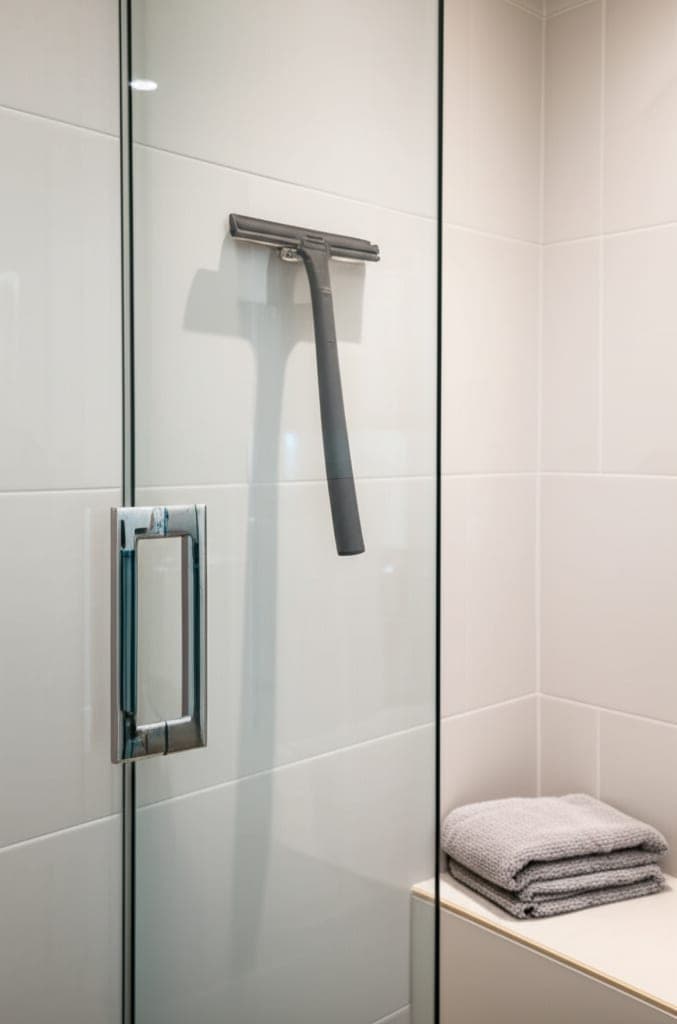
How to Deep Clean a Shower (10 Proven Methods)
I deep cleaned the same shower twice in one week once with my old routine and once with these ten methods applied in the right sequence. The difference wasn't even close. Here's what changed and the daily habit that eliminated most of my scrubbing for good.
30 Cleaning Myths You Need to Stop Believing
I believed most of these myths for years, and two of them left permanent marks on surfaces in my own house. This is the honest version of what I got wrong, why the popular advice fails, and the two safety myths that actually send people to the emergency room. I have kept the failures in here on purpose, because the mistakes taught me more than the wins did, and a myth is only dangerous while you still trust it.