
Vinegar Hacks

Shine-focused mineral buildup solutions for faucets, glass, and stubborn spots.

3 guides

Vinegar Hacks14 min

How to Remove Limescale from a Kettle

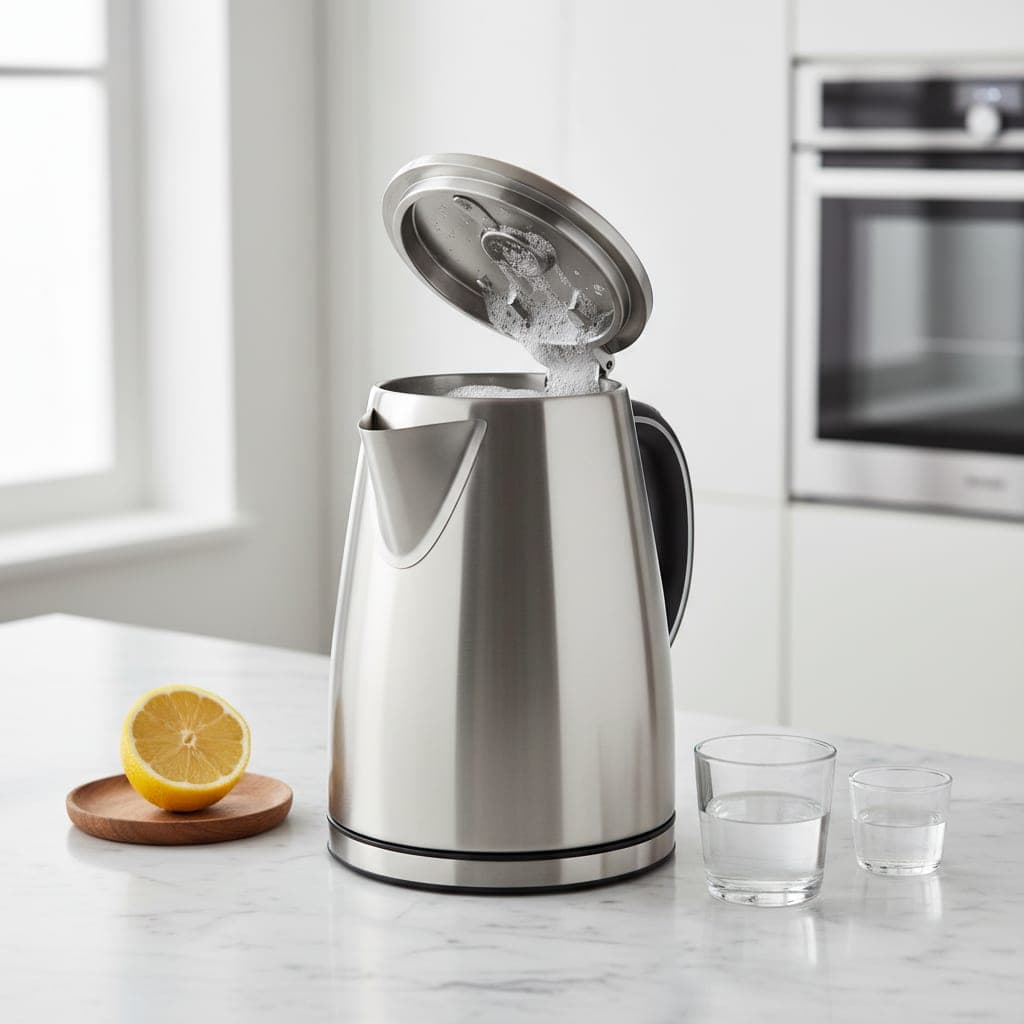
Before you reach for the vinegar, check your kettle's manual, because a number of manufacturers specifically advise against it. Acetic acid attacks the rubber seals and any exposed aluminum, and in a plastic kettle the smell can linger through five rinses. Citric acid dissolves the same calcium carbonate without either problem, which is why it is what most manuals recommend. Limescale is a chemical deposit rather than dirt, so the whole job is choosing the right acid and giving it time. Here is each method with exact quantities, how long to actually leave it, and the part of the kettle that re-deposits scale into the water the day after you clean it.
Vinegar Hacks14 min

How to Remove Hard Water Stains From Glass, Faucets, and Tiles

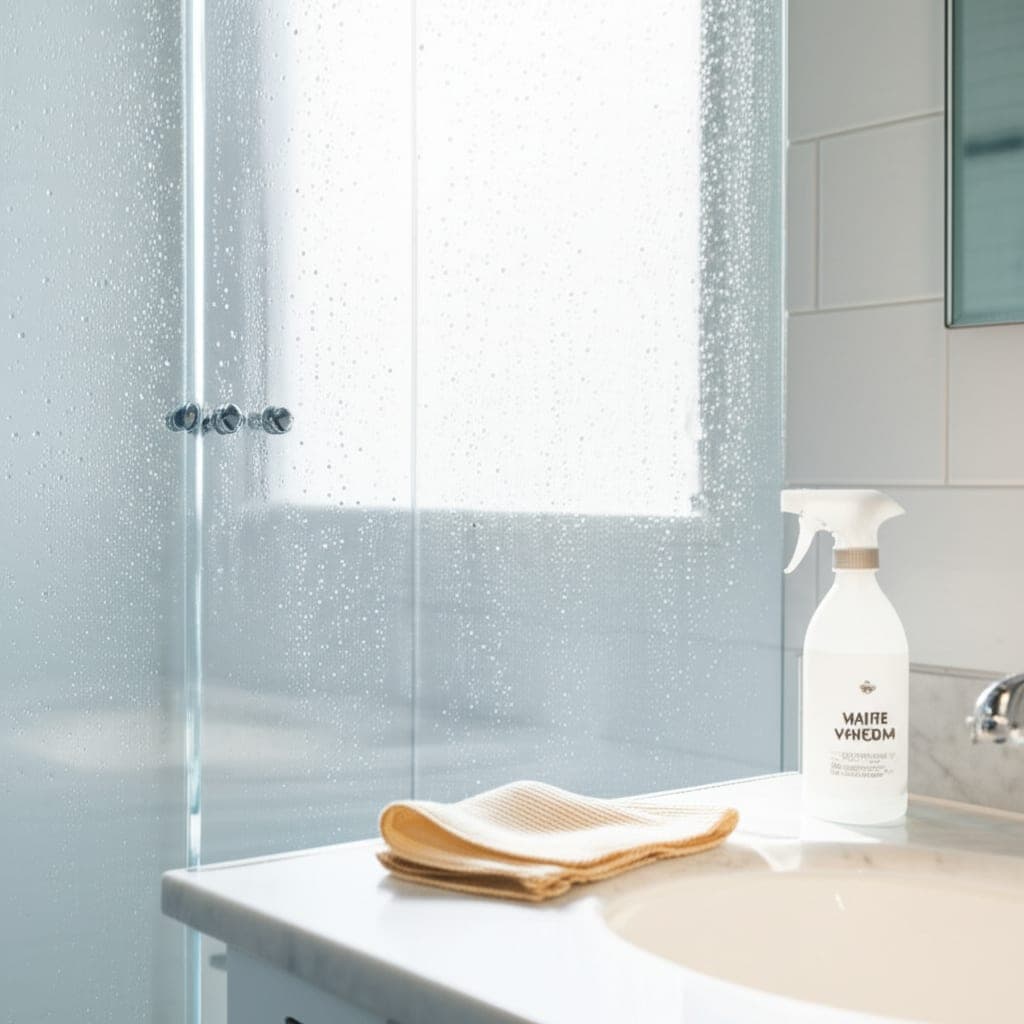
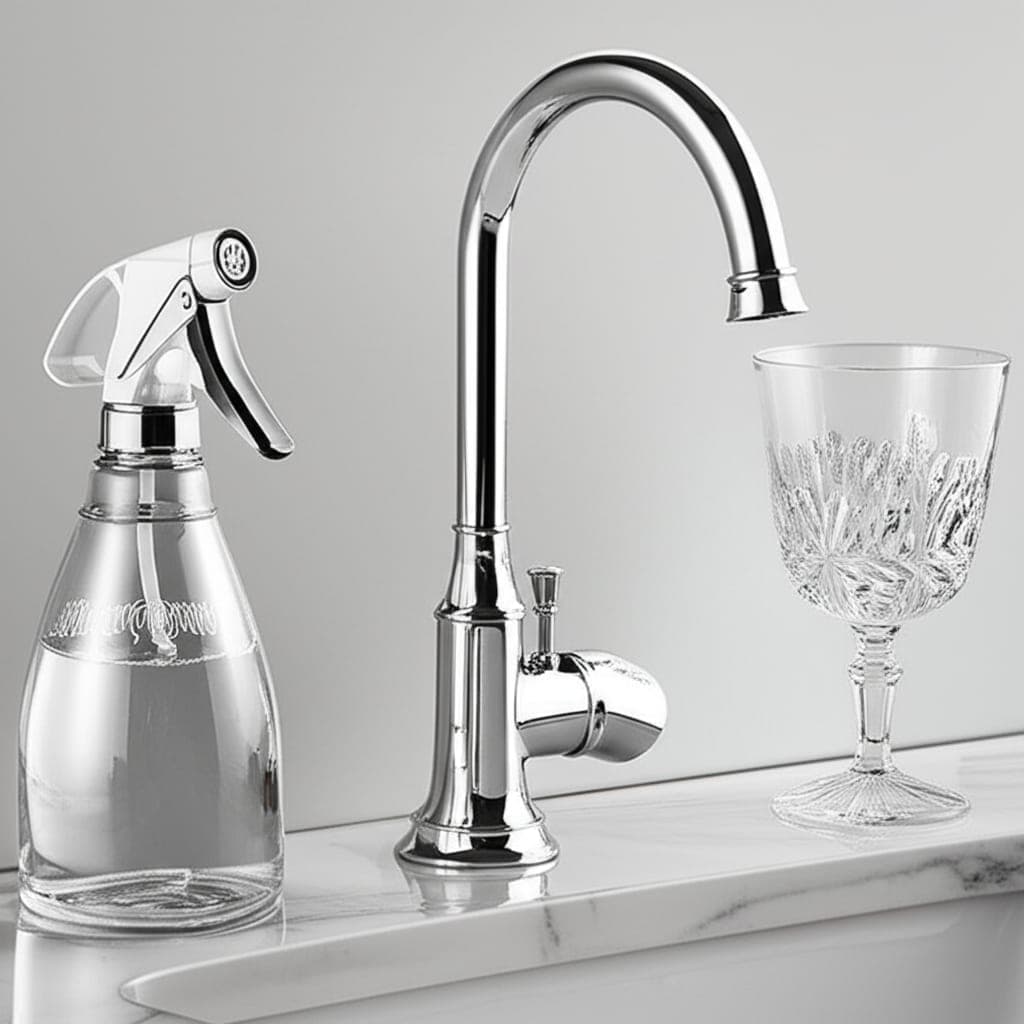
I moved into a home with twelve years of untreated hard water stains on shower glass, faucets, and tiles. After testing every popular method on the same heavily mineralized surfaces over six weeks, the ten approaches in this guide are ranked by what actually worked on real long term buildup, not just fresh deposits. The vinegar wrap method removed mineral crust that fifteen minute sprays could not touch, the warm vinegar trick dissolved stains roughly twice as fast as cold vinegar on the same surfaces, and one simple prevention habit reduced new staining by approximately eighty percent in the first month. Here is the exact step by step that restores foggy shower glass, calcified faucets, and stained bathroom tiles to a like new finish, plus the surfaces where vinegar will permanently etch and damage the material instead of cleaning it.

Vinegar Hacks10 min

How to Clean Almost Anything With Vinegar (8 Methods)

I have cleaned with a single jug of white vinegar for about nine years now, and along the way I ruined a marble windowsill and pitted a cheap chrome faucet learning where it actually belongs. Here are the eight jobs it genuinely does better than the pricey sprays under my sink, with the exact soak times and quantities that made the difference. I am not going to pretend it is magic. It is a weak acid, roughly 5 percent acetic acid and 95 percent water, and once you understand that one fact you can predict where it will shine and where it will let you down. It dissolves mineral scale and cuts light grease beautifully, and it does almost nothing for disinfecting or for baked on carbon. I have organized these from the single best use to the honest warning at the end, and I am blunt about the two places it flat out failed me so you do not repeat my mistakes.